Walking into a professional studio for the first time is a massive rush, but let’s be real, it’s also a little intimidating. Between picking the right design, finding an artist you trust, and worrying about how the ink is actually going to heal, there’s a lot to wrap your head around. At Club Tattoo, we’re firm believers that your first piece (or your fiftieth) should be something you love just as much in twenty years as you do on day one.
Whether you are ready to schedule your tattoo appointment or you're just starting to narrow down your ideas, this guide is here to walk you through the three most popular styles for newcomers, how to find an artist who actually gets your vision, and the tattoo aftercare rules you can't afford to break.
Which Style is Right for You? The Newbie Big Three
When you start researching, the sheer volume of ink-spo on social media can be overwhelming. To keep things simple, we recommend looking at the three most common styles for beginners. These styles have stood the test of time because they look great on almost any part of the body and offer a clear path for future additions.
1. Traditional (The Timeless Standard)
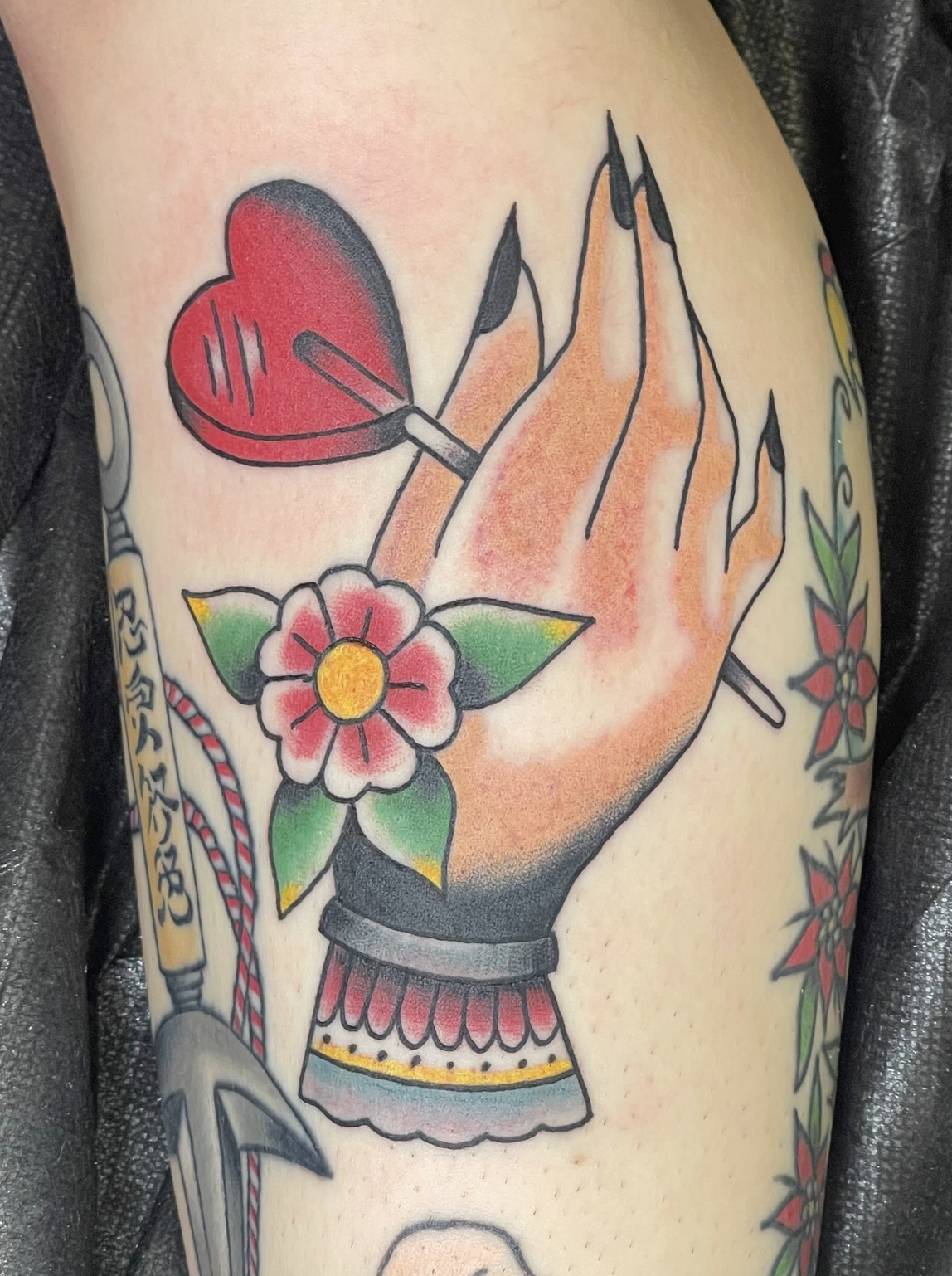
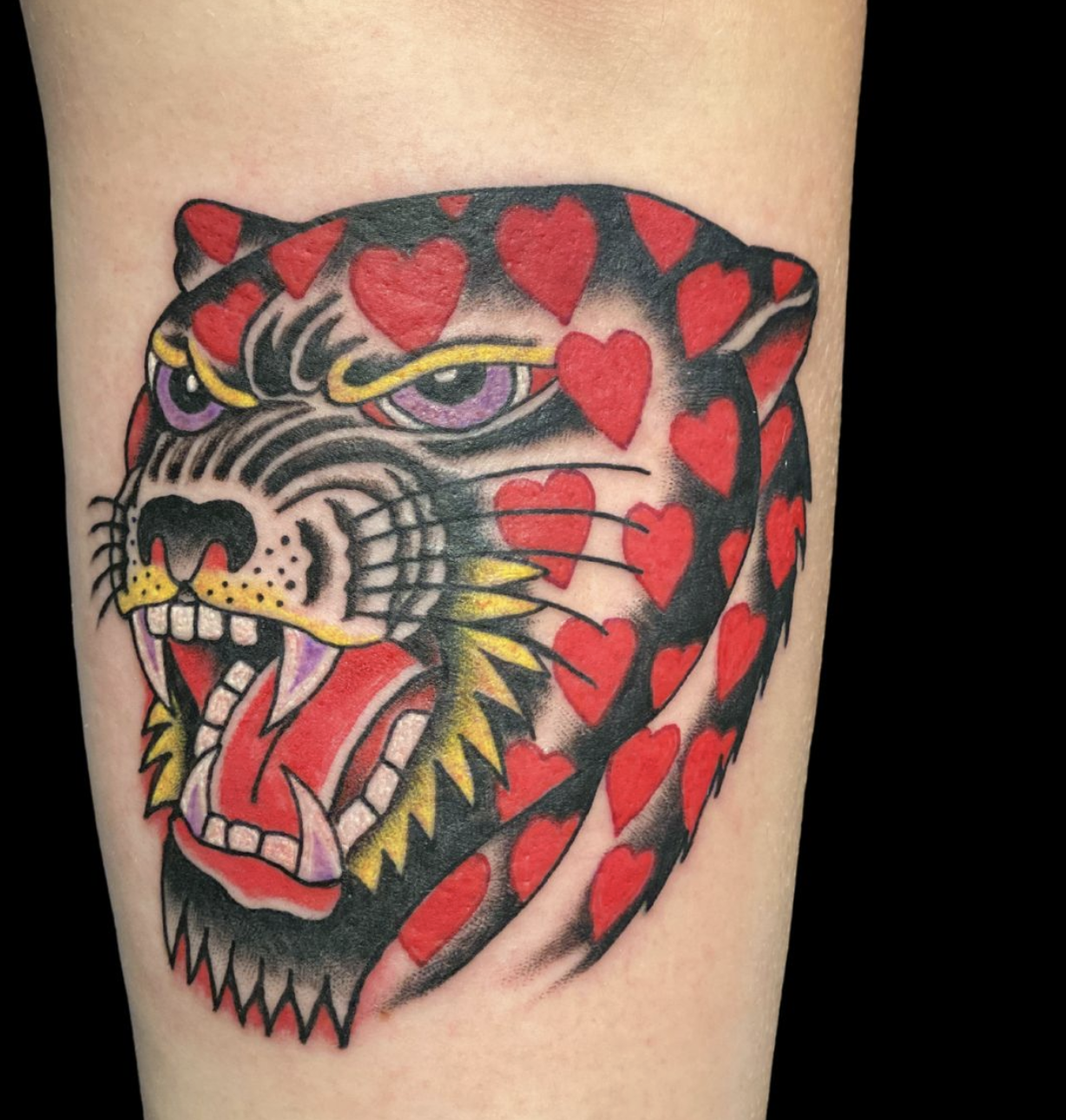
American traditional tattoos, often called "Old School," are the bedrock of modern Western tattooing. This style is characterized by bold black outlines, a limited but punchy color palette (usually reds, yellows, and greens), and iconic imagery like roses, daggers, eagles, and anchors.
Why it’s great for beginners: Traditional is the ultimate "classic." It’s a style that carries a massive amount of history and never goes out of fashion, so you don’t have to worry about your first tattoo looking like a dated trend ten years from now. Beyond the aesthetic, these pieces are incredibly readable and serve as the perfect foundation. Because they are so straightforward, it is very easy to build a larger collection around a Traditional piece later on.
2. Neo-Traditional (The Modern Illustrative)
If you love the bold, "tattoo-ey" look of Traditional but want more detail and a wider variety of colors, Neo-Traditional is the answer. It keeps the heavy outlines but incorporates more complex shading, lush color gradients, and a more illustrative, cinematic feel.
Why it’s great for beginners: It’s the perfect "best of both worlds" style. You get the classic, durable structure of a traditional tattoo, but with much more room for customization. It allows you to take a personal concept—whether it’s a specific animal or a botanical piece—and give it a polished, decorative finish that feels more tailored to your specific taste.
3. Fine Line & Minimalism (The Delicate Approach)
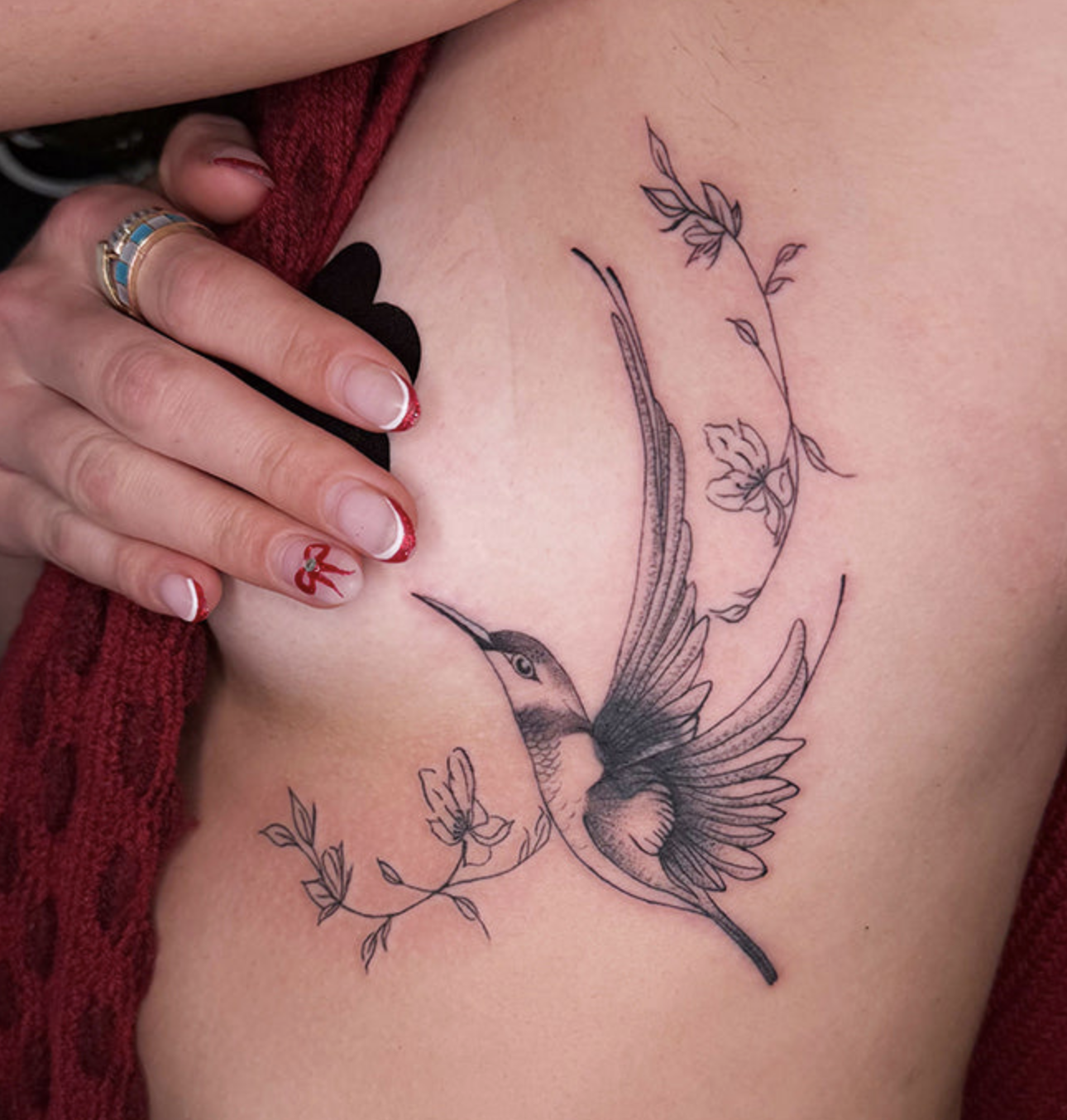
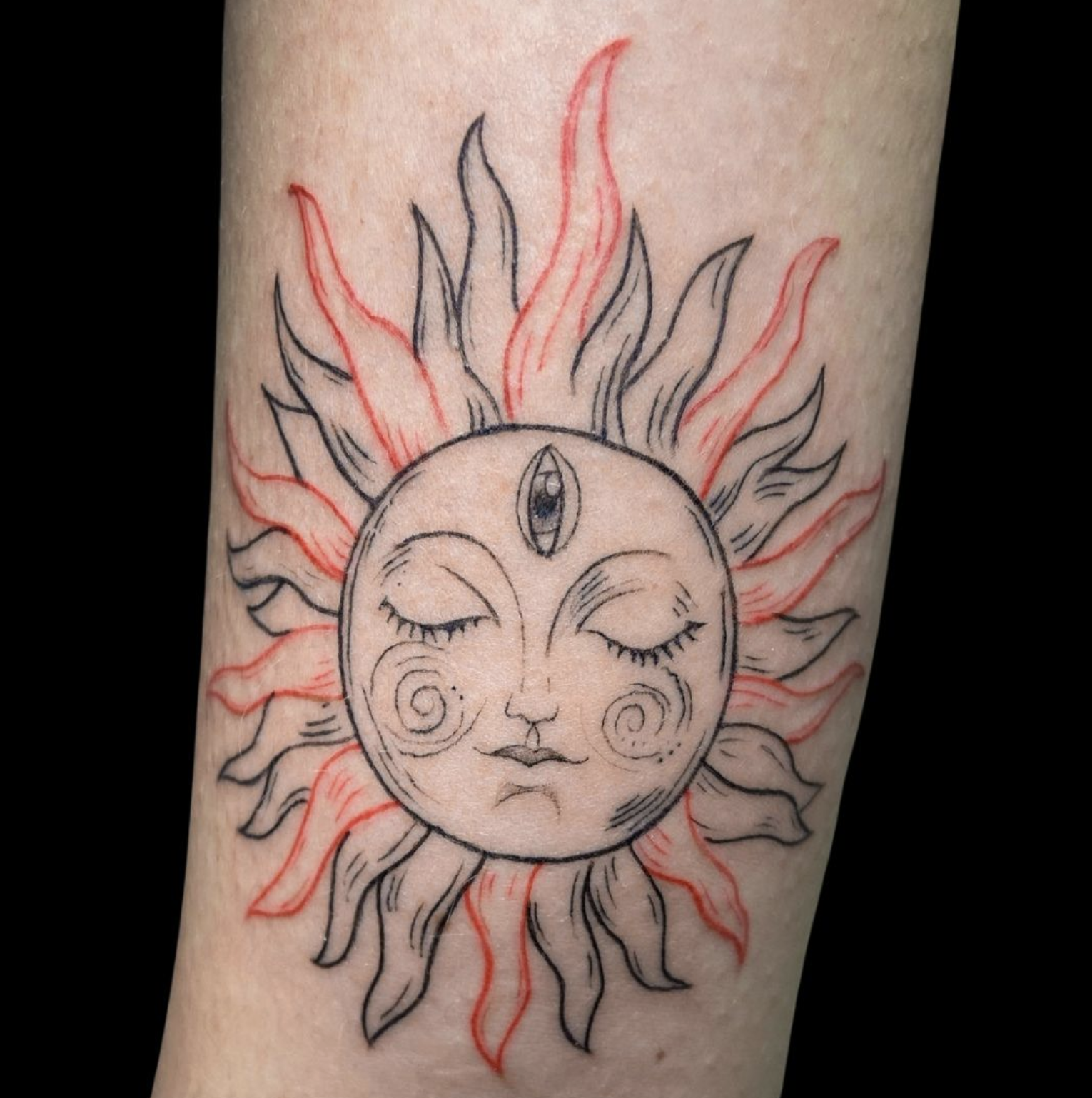
Fine line and minimalism have exploded in popularity recently, especially for those getting their first piece. This style uses incredibly thin needles to create delicate, crisp designs—often using only black ink.
Why it’s great for beginners: If you aren’t ready for a heavy, dark piece of art, fine line allows you to dip your toes into the tattoo world. These designs are subtle, elegant, and can be placed almost anywhere without feeling overwhelming. They are perfect for small mementos, initials, or dainty floral work.
Finding Your Artist: The Research Phase
You wouldn't ask a plumber to fix your car; the same logic applies to tattoos. Most artists specialize in specific niches. If you want a delicate fine-line script, don't book with an artist whose entire portfolio consists of bold, heavy traditional work.
How to Evaluate a Portfolio
A portfolio is an artist’s resume. Whether you are browsing online or looking through a physical book in the shop, keep an eye out for these tells of a high-quality artist:
- Line Quality: Are the lines straight and consistent, or do they look shaky and blown out? This is especially important for fine line work where there is no room for error.
- Saturation: In color or black-and-grey pieces, is the ink smooth and solid, or does it look patchy and uneven?
- Healed Work: This is the ultimate test. Ask to see photos of tattoos that are a year or two old. Fresh tattoos always look great, but a world-class tattoo specialist will have work that stays crisp long after the initial session.
Where to Look
If you're in the neighborhood, we make it easy to see who we work with. You can browse our work in Arizona and Las Vegas, or check out our latest talent in Houston and New Jersey to find a style that clicks with your vision.
Once you’ve found an artist you like, the next step is a consultation. We know that first face-to-face meeting can feel a little nerve-wracking when you aren't sure what to ask, so check out our dedicated guide on how to have an effective tattoo consultation. It’ll help you walk in prepared and make sure you get the most out of your session.
Tattoo Aftercare: Protecting Your Investment
Once the artist puts the machine down, the responsibility shifts to you. You’ve invested time, money, and a bit of pain into your new art; don't let a lazy routine wash it away. A new tattoo is essentially an open wound, and following a professional tattoo aftercare plan for the first 14 days is what determines how your ink will look for the next 40 years.
The Must-Do Routine
| Step | Action | Why it Matters |
|---|---|---|
| Cleanse | Use mild, fragrance-free soap 2–3 times a day. | Removes excess plasma and prevents bacteria buildup. |
| Hydrate | Apply a very thin layer of tattoo ointment or lotion. | Prevents the skin from cracking and keeps the ink vibrant. |
| Protect | Keep it out of direct sunlight and avoid soaking in water. | UV rays fade ink instantly; soaking can lead to infection. |
Common Mistakes to Avoid
- The "More is Better" Myth: Smothering your tattoo in ointment is a recipe for clogged pores and breakouts. Tattoos need to breathe to heal. If the area looks wet or "goopy," you’ve used too much product. Use a tiny amount and rub it in until it's barely a sheen.
- Picking and Scratching: As the tattoo heals, it will itch. It will also peel like a sunburn. Do not pick it. If you pull a scab off before it’s ready, you’re pulling the ink right out of the dermis, leaving a permanent bald spot in your tattoo.
- Using Harsh Chemicals: Avoid alcohol, peroxide, or scented "beauty" lotions. These will sting, irritate, and potentially damage the healing tissue.
Ready to Start Your Journey?
Getting a tattoo is a permanent decision, but it should be an enjoyable one. If you’ve done your research, picked a style that fits your aesthetic, and committed to a solid aftercare plan, the rest is just about the experience.
At Club Tattoo, we pride ourselves on transparency and elite craftsmanship. Whether you are looking for a tiny memento or the start of a full sleeve, our expert artists are here to guide you through the process from the first sketch to the final healed result.
If you're ready to get the ball rolling, you can schedule your tattoo appointment right here. We'll help you figure out the placement, the size, and the style that works best for your body.
Frequently Asked Questions
I like two different styles. Can they be combined?
Absolutely. Many beginners often find their perfect look by blending elements from different styles. You might love the classic, bold outlines of a Traditional piece but prefer the lush, illustrative color palette of Neo-Traditional. Or, you may want a larger decorative design that features the ultra-delicate, intricate details of Fine Line work. This is why the consultation is so important; your artist can help you merge these aesthetics so the final piece looks intentional and cohesive rather than cluttered.
How do I know if a design is too small for the detail I want?
This is a common concern with Fine Line & Minimalism. Over time, ink spreads slightly under the skin (a process called "settling"). If a design is too small and detailed, those lines might blur together in a few years. An expert artist will tell you if a design needs to be scaled up to stay legible for the long haul.
Should I choose a "Flash" design or a custom piece for my first tattoo?
"Flash" designs are pre-drawn pieces by the artist that are ready to go—perfect if you see something you love and want to skip the design phase. A custom piece is a collaboration where the artist builds a design based specifically on your ideas. In both cases, you’ll see and approve the final artwork before your session starts; it just depends on whether you want to choose something the artist has already mastered or create something totally unique together.