A new piercing doesn’t usually go south all at once. Most of the time, it is the small, everyday habits that cause problems over the long haul. Touching your jewelry without thinking, cleaning the area too aggressively, or swapping pieces a little too early can quietly delay your progress or trigger painful irritation.
At Club Tattoo, we see these issues frequently, even from clients who are trying to do everything right. While walking out with a world-class piercing is the goal, proper piercing aftercare is what actually gets you to the finish line. It isn't necessarily complicated, but it does require strict consistency and the correct approach. This guide breaks down the most common mistakes and how to avoid them, ensuring your new body art heals cleanly and comfortably from day one.
What Are the Most Common Piercing Aftercare Mistakes?
Even with the best intentions, many clients fall into habits that inadvertently reset their healing clock. Avoiding these frequent errors is essential for long-term success.
- Touching with Dirty Hands: This is the primary way bacteria enter a fresh wound. Never touch, rotate, or adjust your jewelry unless you have just thoroughly washed your hands.
- Over-Cleaning: While hygiene is vital, cleaning your piercing five or six times a day can irritate the tissue and strip away the healthy oils your body needs to heal.
- Using Harsh Chemicals: Avoid rubbing alcohol, hydrogen peroxide, or harsh "mall-store" ear care solutions. These products are too aggressive; they dry out the skin and kill the new cells trying to close the piercing channel.
- Changing Jewelry Too Soon: It may look healed on the outside, but the internal tissue takes much longer to stabilize. Switching to a new piece of jewelry before the initial healing phase is complete can cause immediate trauma and infection.
- Sleeping on the Piercing: Constant pressure from a pillow reduces blood flow to the area and can even cause the angle of the piercing to shift over time.
Cleaning a New Piercing: Best Practices and Solutions
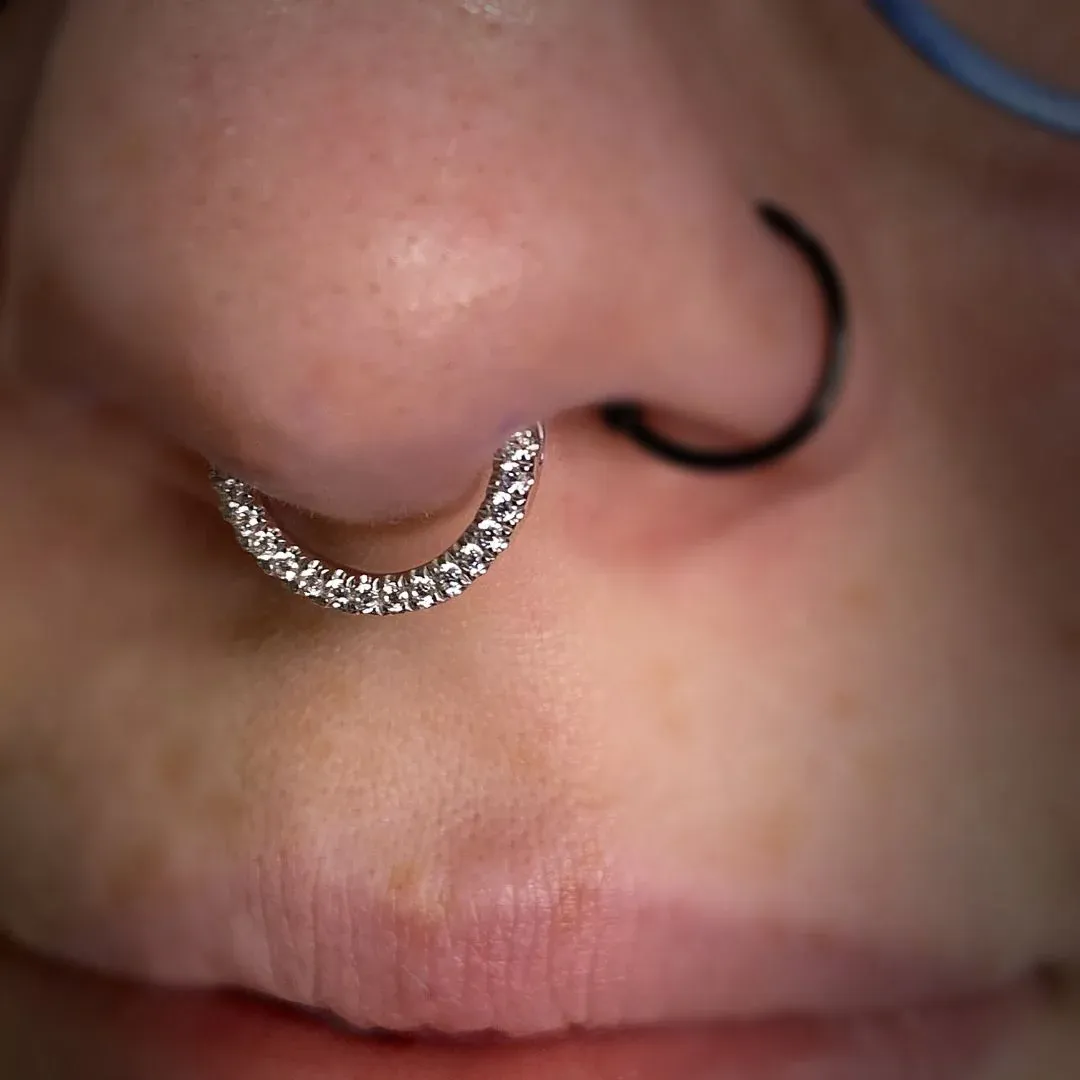
Improper cleaning is a leading cause of localized infections. When debris and bacteria accumulate, the body responds with inflammation, redness, and eventually pus. To prevent systemic risks—which in rare cases can escalate to more severe health issues—you must maintain a consistent, gentle cleaning routine.
Recommended Cleaning Solutions
For most body piercings, a sterile saline wash is the gold standard. We highly recommend NeilMed Piercing Aftercare because it is a fine mist that provides a drug- and preservative-free solution to flush out the wound without irritation.
| Solution Type | Recommended Use | Professional Benefit |
|---|---|---|
| Sterile Saline Spray | Daily cleaning for body/ear piercings | Gentle, pH-balanced, and flushes debris without contact. |
| Non-Alcoholic Mouthwash | Inside the mouth for oral piercings | Reduces bacteria in the mouth without burning sensitive tissue. |
| Distilled Water/Sea Salt | Occasional soak for stubborn crusts | Softens "crusties" so they can be removed without tearing the skin. |
Specialized Care for Oral Piercings
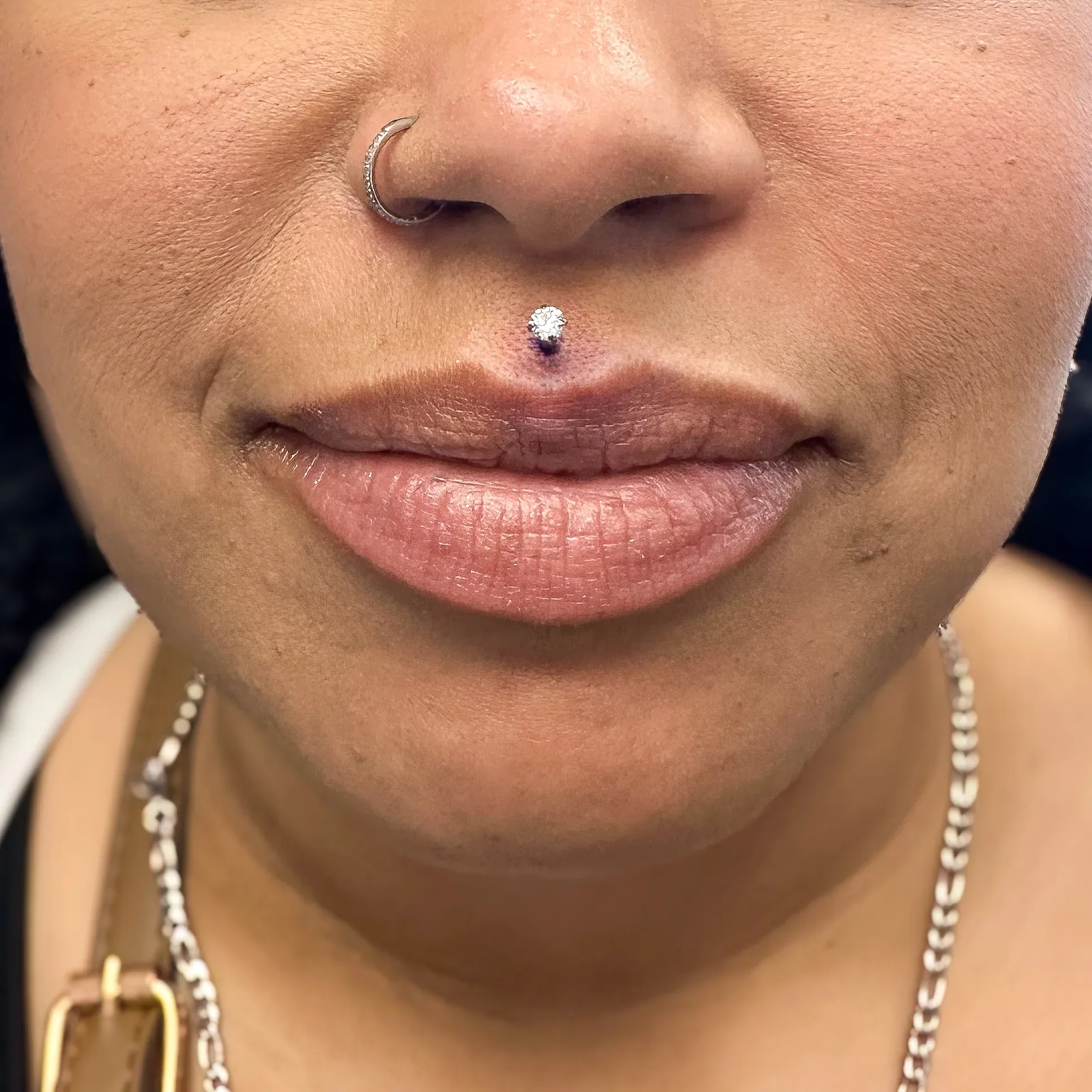
For oral piercings (like a lip, Monroe, or labret), the jewelry has two "sides" that require different care. You need to clean the outside skin where the jewelry sits with saline spray and rinse the inside of your mouth where the backing is with a diluted, non-alcoholic mouthwash or a mild saltwater gargle after every meal.
Why High-Quality Jewelry Material Is a Non-Negotiable
Using the wrong jewelry material is one of the most dangerous risks you can take with a fresh piercing. Many low-quality "fashion" pieces are packed with nickel—a common allergen that triggers redness, itching, and severe swelling that can ruin your healing process before it even starts.
At Club Tattoo, we carry high-end, biocompatible jewelry to eliminate these risks from day one:
- Implant-Grade Titanium (G23): This is the gold standard for initial piercings. It is incredibly lightweight, 100% nickel-free, and is the same material used in medical implants because the human body rarely reacts to it.
- Solid 14kt or 18kt Gold: For those looking for an immediate upgrade, we offer solid gold options. Unlike "gold-plated" jewelry, which can flake and irritate a raw piercing, solid gold is stable, biocompatible, and provides a timeless look while you heal.
Selecting the right material doesn't just make your piercing look better; it provides the stable environment your body needs to close the wound and complete the healing process safely.
Recognizing the Signs of Infection
Understanding the difference between normal healing irritation and a true infection is vital for timely intervention.
Warning: If you suspect an infection, do NOT remove the jewelry unless advised by a doctor. The jewelry acts as a drain for the wound; removing it can cause the skin to close, trapping the infection inside and potentially leading to an abscess.
Watch for these symptoms:
- Persistent Redness and Heat: If the area feels hot to the touch and the redness is spreading.
- Persistent Swelling: Swelling that increases after the first week rather than subsiding.
- Green or Yellow Discharge: Thick, malodorous pus is a clear sign of infection.
- Systemic Symptoms: Fever, chills, or nausea suggest a more severe infection that requires immediate medical attention.
Step-by-Step Cleaning Routine
Consistent piercing aftercare is the secret to a complication-free healing process. Follow this simple daily routine to keep your new piercing clean and reduce the risk of infection.
- Wash Your Hands: Use antimicrobial soap and warm water.
- Mist with Saline: Spray your NeilMed Saline Wash directly onto the front and back of the piercing.
- Soften and Remove Crusts: If there is crust buildup, let the saline sit for a minute. Use a clean, single-use cotton swab dipped in saline to gently wipe away the softened debris. Do not pick it off with your fingernails.
- Dry the Area: Moisture trapped around a piercing can lead to bacterial growth. Gently pat the area dry with a clean, disposable paper towel.
By adhering to these professional standards, you are investing in the longevity and beauty of your body modification. If you have any doubts about your healing progress, visit a Club Tattoo studio to speak with one of our professional piercers.
Ready for Your Next Masterpiece?
At Club Tattoo, we don't just provide a service; we provide an elite experience backed by industry-leading safety standards and the world's finest jewelry. If you're ready to add to your collection or have questions about a current piercing, our professional staff is here to help.
Visit a Club Tattoo Studio today to experience the gold standard in body modification. Whether it's your first piercing or your fiftieth, let's make it world-class.
Frequently Asked Questions
How long does a piercing take to heal?
Healing times vary wildly depending on location. Earlobes take roughly 6–8 weeks, while cartilage can take 6–12 months. Always check with your piercer before stopping your aftercare routine.
Can I use tea tree oil on my piercing?
No. Tea tree oil is too harsh for a fresh piercing and can cause severe chemical burns and irritation. Stick to sterile saline.
What should I do if my piercing feels tight or "stuck"?
Do not force it to move. This is often just "crusties" (dried lymph fluid) acting like a biological glue. Soften them with saline spray or a warm compress, and they will naturally wash away.
Is it normal for my piercing to itch?
Yes! Itching is a very common sign that the skin is regenerating and healing. Just remember: Don't scratch it.