Deciding to get your first tattoo is an incredible milestone. It’s an amazing way to show off your personal style, immortalize a memory, or just wear an incredible piece of art that makes you feel like an upgraded version of yourself. That said, staring down a massive menu of different artistic directions can give anyone a serious case of decision paralysis.
This tattoo style guide for beginners is designed to cut through the noise, decode the most popular tattoo styles from a first-timer's perspective, and give you the practical insider knowledge you need to walk into your session with total confidence.
Have an idea of what you want? The next step is getting on the calendar. Schedule your session with Club Tattoo to sit down with an expert artist and plan your first piece.
Deconstructing Tattoo Styles: Why They Matter for First-Timers
Before you can pick the perfect design, you need to understand the visual languages of the industry. While there are dozens of niche sub-genres, most modern body art stems from a few foundational tattoo styles.
Choosing a style isn't just about what looks cool on a screen. The artistic direction you choose directly dictates the physical reality of the session—including the length of your appointment and the impact on your pain tolerance—as well as how easy the design process is and how the ink will age on your skin over the next several decades. For a beginner, understanding these factors beforehand is the secret to a seamless experience.
Let’s look at the most approachable options for first-timers:
1. American Traditional (Old School)
If you picture a classic tattoo from the mid-20th century—bold black outlines, highly saturated primary colors, and iconic imagery like eagles, daggers, skulls, and roses—you are looking at American Traditional.
-
Why it’s perfect for beginners: Traditional designs are the most straightforward style to get, making them incredibly low-stress for your first time in the chair. Because the designs rely on iconic, clearly defined symbols, it is very easy to communicate your vision to your artist without getting bogged down in endless revisions. Best of all, because these designs use heavy black outlines and solid color packing, they hold up exceptionally well against aging and sun exposure.

2. Neo-Traditional
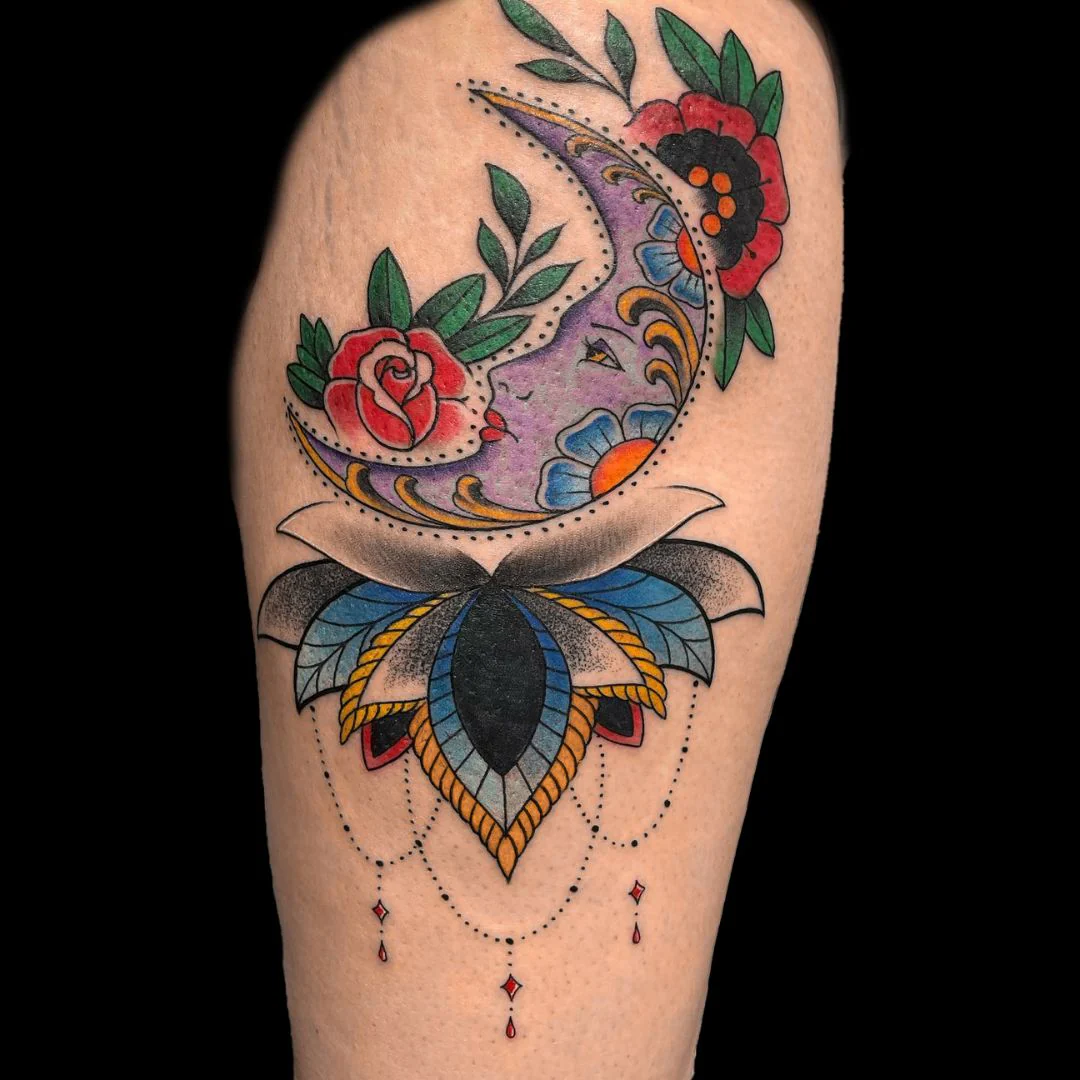
As the name implies, Neo-Traditional is a modern evolution of the classic old-school look. It retains those crisp, clean, bold outlines that ensure longevity, but introduces a massive amount of flexibility when it comes to custom color palettes, illustrative detail, depth, and dimension.
- Why it’s perfect for beginners: If you love the idea of a classic, long-lasting tattoo but want something highly customized to your specific personality, this is the ideal middle ground. It allows you to take a modern concept—like a beloved pet portrait, a fantasy character, or a complex floral arrangement—and anchor it in a time-tested technical structure.
3. Fine Line & Minimalism
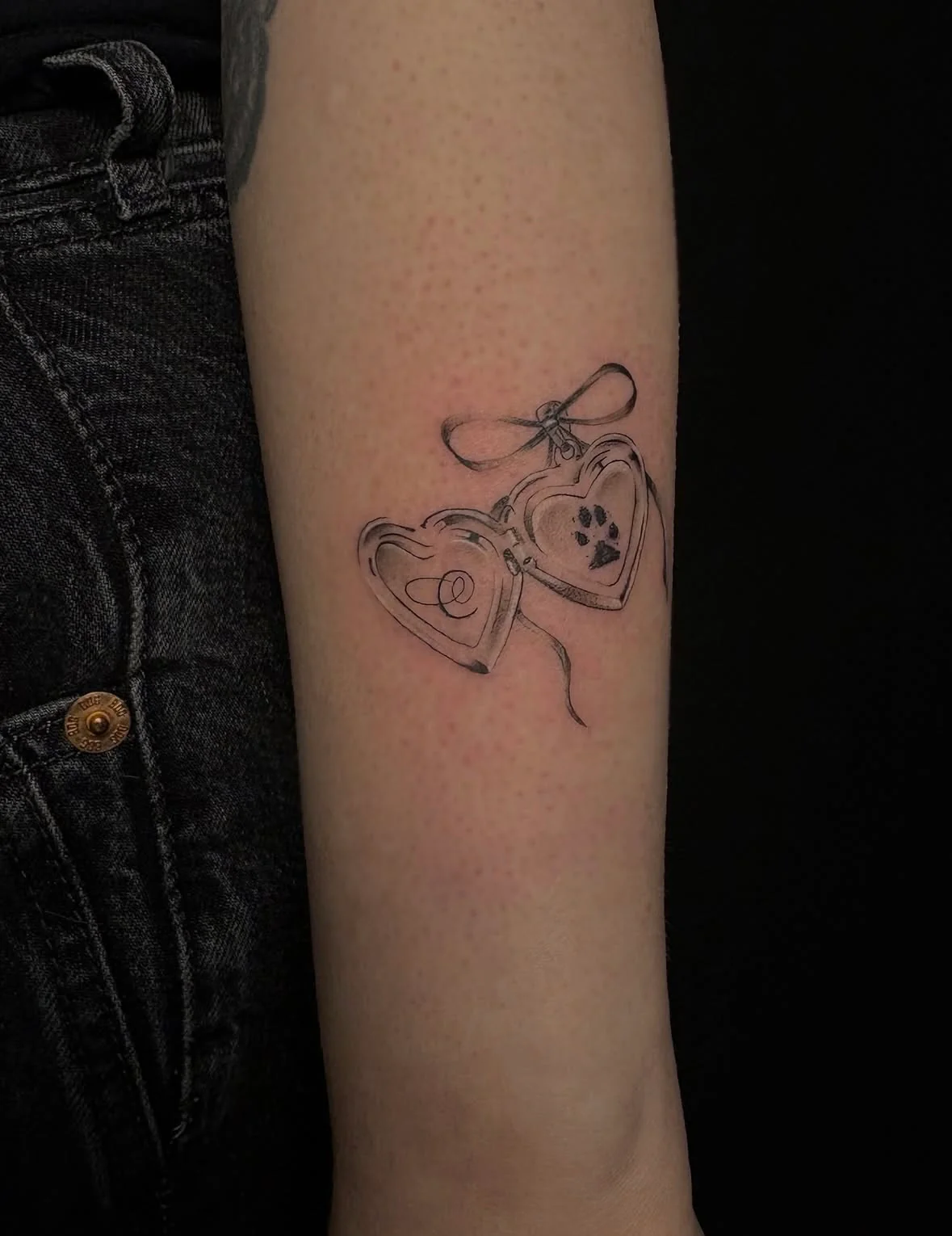
Fine line tattoos rely on exceptionally thin, delicate linework, subtle dot-work shading, and clean geometric structures. Instead of heavy black blocks, these designs use specialized, ultra-fine needles to create elegant, understated artwork.
- Why it’s perfect for beginners: If you are nervous about pain or anxious about having a massive, loud piece of art on your skin, fine line is the ultimate entryway. Because the needles are so small, these sessions are often much shorter and cause significantly less physical discomfort than styles requiring heavy color packing. It is a subtle, sophisticated way to test the waters of body art with a piece that can be easily concealed or shown off.
4. Realism
Realism focuses on creating life-like depictions of subjects lifted directly from real life onto your skin, whether in striking black-and-grey portraiture or full, vibrant color. From hyper-detailed wildlife to stunning portraits of loved ones, this style mimics photography.
- Why it’s perfect for beginners: What you see in a reference photograph is exactly what you get on your skin. For first-timers who struggle to visualize abstract art or worry about how a custom drawing will turn out, realism removes the guesswork. But keep in mind that because it relies on intricate shading rather than hard outlines, it requires longer sessions and an artist with elite technical mastery to ensure the details remain crisp as it heals.

Quick Comparison Table: Beginner-Friendly Tattoo Styles
| Tattoo Style | Outlines | Color Palette | Beginner Advantage | Session Length |
|---|---|---|---|---|
| Traditional | Heavy, bold black | Limited primary colors | Ages beautifully; highly predictable results | Short to Medium |
| Neo-Traditional | Crisp, illustrative | Deep, varied custom tones | High customizability with maximum longevity | Medium to Long |
| Fine Line | Ultra-thin, delicate | Minimal black/grey | Lowest pain level; very subtle and elegant | Short |
| Realism | Minimal to none | True-to-life or monochrome | No guesswork; matches your reference photo exactly | Long (Often multi-session depending on size) |
Evaluating Tattoo Portfolios
Your most powerful tool for ensuring a flawless, safe experience is reviewing digital portfolios before you ever step foot inside a studio. A quick scroll lets you verify an artist's consistency, clean execution, and technical strong suits firsthand.
When you dive into digital galleries, look for consistency. Are the lines smooth and continuous, or do they look shaky? Do the colors look evenly packed, or are they patchy? An elite portfolio should feature clean work that respects the natural contours of the human form.
At Club Tattoo, we have completely elevated the body art experience by replacing old-school, unpredictable shop stereotypes with world-class hospitality and clinical-grade precision. You can explore our diverse, award-winning artists' portfolios across our elite studios to find the perfect technical and stylistic match for your vision:
- West Coast & Southwest: Las Vegas Portfolios and Arizona Portfolios.
- East Coast & Northeast: NYC Portfolios and New Jersey Portfolios.
- Southern: Texas Portfolios.
First-Time Tattoo Tips: Design, Placement, and Lifestyle
Once you have a style in mind, it’s time to think about execution. Landing a piece you'll love forever means looking beyond the stencil and thinking about how it will actually move with your body and fit into your day-to-day life.
- Consider Your Unique Body Shape: The best tattoos don't look like a sticker slapped onto a flat surface. It should flow naturally with your body's curves and muscles. Trust your artist during the consultation; they know exactly how a design will stretch and shift when you move.
- Factor in Your Lifestyle: Think about your professional environment and how much sun exposure your tattoo will get. If you spend your summers on the beach or work an outdoor job, a high-exposure placement will require rigorous UV protection to keep the ink crisp.
- Don't Fear the Consultation: A master tattooist is a technician and collaborative partner. Bring your reference photos, but leave room for the artist to tailor the piece so it functions beautifully as permanent body art.
What Sets the Club Tattoo Experience Apart
Walking into a studio for your first tattoo shouldn't feel intimidating, chaotic, or uninviting. At Club Tattoo, we have completely reimagined the entire process, establishing a global blueprint for what a modern, luxury body art experience should look like. We pair world-class, award-winning artists with a pristine, high-end environment so you can focus entirely on the excitement of your first ink.
- The Interactive Consultation: We don't just sketch a quick drawing on a counter. We sit down with you in a comfortable, collaborative space to look at your references, discuss how the design will sit dynamically on your anatomy, and ensure the scale is mathematically perfect.
- Pristine, Clinical-Grade Setup: Safety is our absolute foundation. Every single station is kept to rigorous, hospital-grade cleanliness standards. We walk you through the unwrapping of single-use, sterile equipment right in front of you so you have absolute peace of mind.
- Elite Comfort & Care: We know that first-time nerves are real. Our studios are designed with premium hospitality in mind—bright, luxury aesthetics, professional staff, and a supportive atmosphere that keeps your stress levels low and your experience unforgettable.
Protecting Your New Ink: Proper Tattoo Aftercare
The hard work doesn't stop when you leave the studio chair. Your artist handles the application, but your body handles the recovery. To ensure your new ink cures with crisp, vibrant clarity, you need to follow a strict healing routine. You can read our complete, step-by-step breakdown in our dedicated Tattoo Aftercare guide.
In short: Keep the healing area clean with a gentle, fragrance-free soap, apply a very thin layer of recommended moisturizer, and absolutely never scratch or pick at a healing tattoo.
Tattoos for Beginners: Myth vs. Fact
Separating parlor myths from actual reality is the best way to clear up any lingering pre-session anxiety. Let's bust a few common misconceptions:
Myth: Color ink is inherently more painful than black ink.
Fact: The chemical makeup of colored pigment doesn't hurt more than black ink. The myth exists because color packing usually happens at the very end of a long session when your adrenaline has worn off and the skin is already raw. Furthermore, building solid, vibrant color fields requires multiple passes over the same exact spot, creating a more intense sensation than a single, fluid outline.
Myth: Fine line tattoos disappear completely after a few years.
Fact: All permanent tattoos fade over time, but fine lines don't just vanish into thin air. While they may require a minor touch-up sooner than a heavy traditional piece, proper application by a skilled professional combined with good sun protection ensures fine line work stays sharp for the long haul.
Myth: Getting a tattoo on your muscle hurts way more than areas with fat.
Fact: The exact opposite is usually true. Places with lean muscle (like the outer arm, bicep, or thigh) are generally the easiest areas to get tattooed. The most painful spots are actually where the skin sits directly over bone (like ribs, collarbones, and ankles) or nerve-dense areas with thinner skin.
Ready to Start Your Story?
By choosing your style intentionally, teaming up with a skilled artist, and treating your skin with the care it deserves, your first tattoo will be the perfect kickoff to a lifetime of confident self-expression.
Frequently Asked Questions (FAQ)
Which tattoo style hurts the least for a beginner?
Fine Line and Minimalism are generally the most comfortable styles for beginners. Because these designs rely on ultra-thin, delicate needles and very little solid color packing, the sessions are significantly shorter and cause much less physical discomfort compared to styles requiring heavy blackwork or smooth realism gradients.
How do I know if a tattoo design will age well?
Tattoo longevity depends on strong, stable structure. Styles like American Traditional and Neo-Traditional age exceptionally well because they feature heavy black outlines that act as visual anchors. Over time, all tattoo ink migrates slightly under the skin; distinct lines and saturated fields of color prevent a design from blurring into an unreadable smudge.
What should I look for in a tattoo artist's portfolio?
When browsing an artist's portfolio, look closely at line consistency and color saturation. Lines should be fluid, continuous, and crisp—never shaky, faint, or blowout-heavy. Color fields should look smooth and deeply packed without patchy, raw spots. For elite assurance, ask to see healed examples of their past work to evaluate how it cures.
Should I get a small or large tattoo for my first time?
There is no wrong size, but the scale should match your design goal. While a small tattoo (3–8 cm) is a great low-commitment test, packing too much detail into a tiny space will cause it to blur over time. If your concept requires intricate details or portraits, it’s best to go a bit larger or choose an open, readable style like fine-line script.