Talk to anyone covered in incredible ink, and they’ll tell you the excitement of a new tattoo is unmatched. Underneath the cool design, though, your body is doing some heavy lifting. Getting a tattoo is basically a micro-surgical process during which pigment gets permanently embedded into living tissue. Since your skin and your immune system are actively reacting to the needle, picking a studio shouldn't feel like a roll of the dice.
To ensure your journey is safe and successful, you need to understand the biological reality of the process. What are potential risks to consider before getting a tattoo? From standard skin healing behaviors to rare complications like allergic reactions or bacterial issues, knowing the facts is what separates a flawless healing process from a medical headache.
At Club Tattoo, we have completely reimagined the modern studio experience by replacing old-school, sketchy shop tropes with world-class hospitality and hospital-grade sterility. When you are ready to partner with an elite artist in a safe, pristine environment, you can easily explore options and book a tattoo appointment online to lock in your session.
What Are Potential Risks to Consider Before Getting a Tattoo?
When a tattoo needle punctures the skin, it creates thousands of microscopic entry points. If handled improperly, these micro-injuries can expose your body to external pathogens or trigger adverse immune responses.
The primary health concerns fall into three distinct categories: acute infections, allergic reactions, and long-term structural changes. Let's break down the actual science behind these tattoo risks and how the right studio environment can mitigate them.
1. Acute Infection Risks (Bacterial, Viral, and Fungal)
Infections occur when harmful microorganisms bypass your skin's protective barrier during the application process or throughout the early stages of healing.
- Bacterial Infections: Typically caused by Staphylococcus or Streptococcus strains, bacterial issues surface when unsterilized tools are used or when a client touches their fresh tattoo with unwashed hands.
- Viral Infections: Severe bloodborne pathogens such as Hepatitis B, Hepatitis C, and HIV can theoretically be transmitted if an unprincipled studio reuses needles or fails to operate a medical-grade autoclave.
- Fungal Infections: Rare but persistent, fungal complications emerge if a fresh tattoo is exposed to stagnant water, damp environments, or contaminated topical creams.
2. Allergic Reactions to Tattoo Ink
An ink allergy is an overactive immune response to the pigments, heavy metals, or preservatives embedded in the skin.
Unlike a typical surface skin allergy that clears up in a few days, an allergic reaction to tattoo ink can become a chronic issue because the allergen is permanently trapped inside the tissue. Red pigments are historically the most common culprit behind localized allergic flare-ups, often triggering itching, raised bumps, or a localized rash weeks—or even years—after the session.
3. Structural and Long-Term Health Considerations
Your body treats tattoo ink as a foreign object, constantly sending macrophages (immune cells) to break down and clear away the pigment particles over several decades. This natural metabolic process, combined with UV exposure, causes ink to gradually fade and lose its crisp edges. Additionally, if the application technique is flawed, it can leave behind permanent scar tissue or deep dermal micro-tears that distort how the design ages alongside your skin.

Studio Safety Checklist: Spotting the Red Flags
Before you ever sit down in a chair, you have the right to evaluate the environment. If you notice any of these health and safety red flags, it's time to walk out:
- Tap Water in the Ink Setup: This is one of the most dangerous, overlooked red flags in low-end shops. When an artist dilutes black ink to create grey washes or cleans their needles during a session, they must use brand-new, single-use bottles of sterile water. If you see an artist filling a rinse cup directly from a bathroom or studio sink tap, stop the session. Tap water contains microscopic bacteria and minerals that are safe to drink but can cause infections when forced directly into an open wound.
- Pre-Opened Needles or Cartridges: Every needle configuration or cartridge must be sealed in an individual, medical-grade blister pack. Your artist should explicitly open these sterile packages right in front of your eyes. If the needles are already sitting out on the tray before you walk into the station, you have no way of verifying their sterility.
- Cross-Contamination Habits: Watch how the artist handles their environment. Their tattoo machine, clip cords, squeeze bottles, and the actual table or armrest where you sit should be completely wrapped in single-use plastic barriers or medical-grade barrier film. If the artist adjusts a lamp, touches their phone, or grabs a bottle with gloved hands without changing those gloves afterward, they are transferring bacteria straight to the surfaces you are touching and directly to your skin.
- A "Closed-Door" Cleaning Culture: Reputable studios proudly display their health department certificates and will gladly explain their sterilization protocols. If a shop refuses to tell you how they clean their tubes, or if their station looks cluttered, dusty, and disorganized, they are treating your safety as an afterthought.
Causes of Tattoo Infections and Early Warning Signs
Recognizing the difference between normal tattoo trauma and a genuine medical infection is vital for protecting your health and your art.
During the first 24 to 48 hours, it is completely normal for a fresh tattoo to feel like a moderate sunburn. Your skin will be warm to the touch, slightly swollen, and will likely exude a clear fluid mixed with excess ink (known as plasma weeping). This is a healthy immune response to the physical application of a tattoo.
However, if your symptoms begin to worsen after the third day, you may be dealing with a localized infection.
Critical Warning Signs of an Infected Tattoo
- Radiating Heat: The skin surrounding the design feels increasingly hot or throbbing over time.
- Red Streaking: Deep red lines or tracks spreading outward from the boundaries of the tattoo—this is a medical emergency indicating a spreading infection.
- Purulent Discharge: Thick, foul-smelling yellow or green pus oozing from the open skin.
- Systemic Symptoms: Developing a fever, chills, body aches, or persistent nausea as your immune system fights an internal battle.
If you display any systemic signs of infection or notice red streaks spreading from your ink, skip the internet forums and consult a healthcare professional immediately for clinical evaluation.
Tattoo Ink Allergies and Allergens
The modern tattoo industry has made massive leaps forward in product safety, but first-timers should still be aware of what goes into their skin.
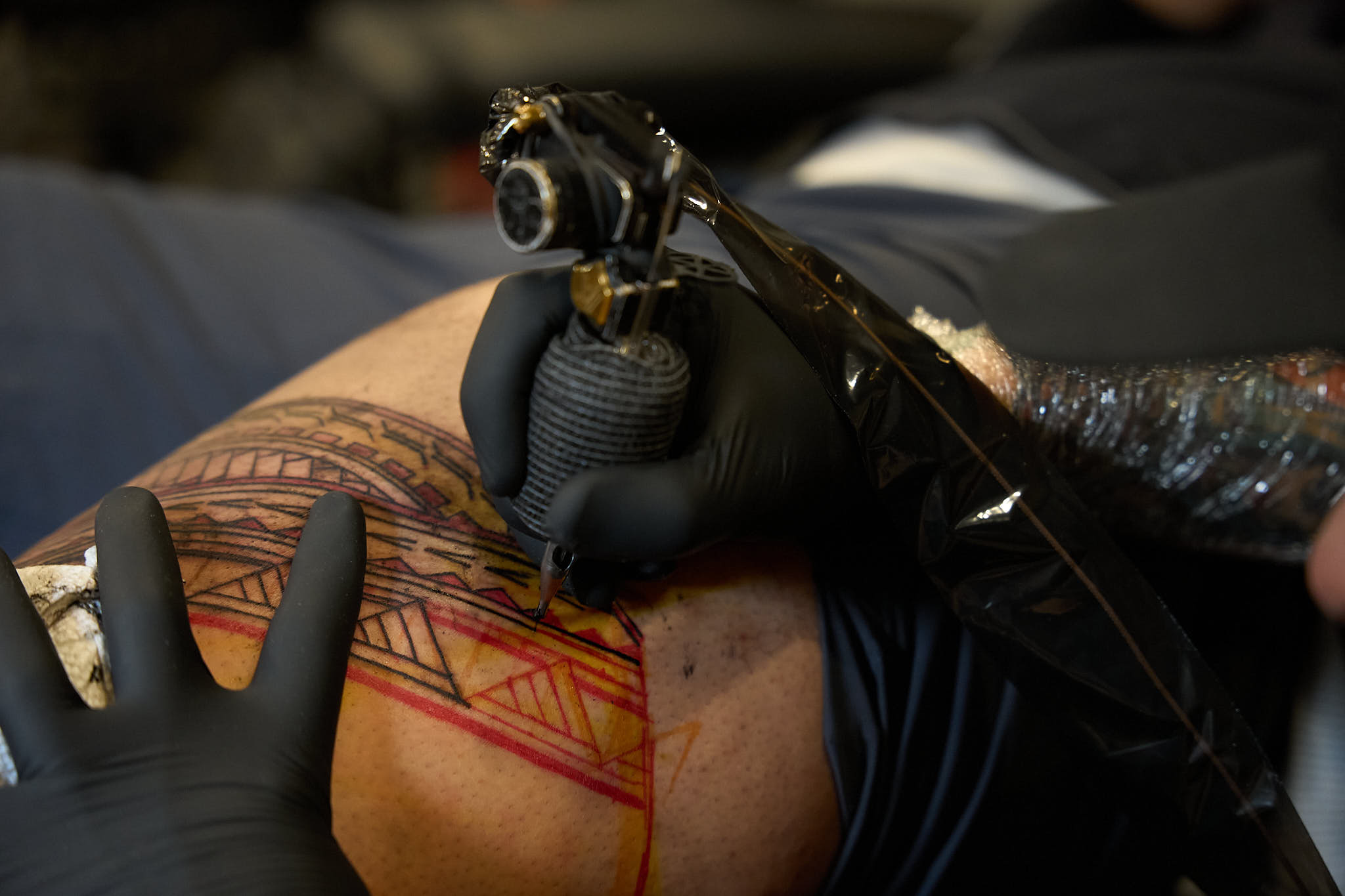
Tattoo ink is composed of a carrier fluid (usually a blend of purified water, glycerin, and alcohol) and solid pigment particles. While high-end brands utilize organic compounds and plant-based pigments, lower-tier inks may contain trace amounts of heavy metals like nickel, cobalt, lead, or chromium to achieve extreme brightness.
Managing and Treating Minor Skin Irritations
If you experience mild localized itching, localized swelling, or minor bumps around a specific color block, your immune system may be experiencing a minor hypersensitivity reaction.
- Keep it Clean: Wash the area gently with a mild, fragrance-free soap and lukewarm water.
- Calm the Inflammation: Apply a cool compress to soothe the area. For mild, non-infected allergic reactions, an over-the-counter antihistamine can help suppress localized itching.
- Consult Your Studio: Reach out to your artist. Elite studios maintain strict records of the exact ink brands and lot numbers used during your session, which can help a dermatologist pinpoint your specific trigger.
Quick Reference: Normal Healing vs. Potential Complications
| Healing Stage / Symptom | Normal Skin Reaction | Potential Infection Warning | Allergic Reaction Sign |
|---|---|---|---|
| First 48 Hours | Mild swelling, redness, clear plasma weeping, tenderness. | Intense, throbbing pain, extreme swelling, radiating heat. | Localized hives, persistent itching, or localized skin rashes. |
| Days 3 to 7 | Flaking, peeling skin (looks like a sunburn), mild dryness. | Green or yellow pus discharge, foul odor, worsening red borders. | Raised, bumpy texture strictly confined to a specific ink color. |
| Long-Term (Months/Years) | Gradual settling, natural softening of lines, very minor fading. | N/A (Infections are acute). | Intermittent swelling or itching over colored pigment during seasonal changes. |
How Club Tattoo Minimizes Health Risks
You should never have to gamble with your health to get spectacular body art. At Club Tattoo, we have completely re-engineered the tattoo environment to proactively minimize the environmental variables that cause infections and complications.
- Hospital-Grade Cleanliness: Every single tool, needle, and cartridge used in our studios is single-use, sterile, and opened directly in front of you prior to the first line being drawn. Our stations undergo a rigorous, multi-point decontamination process between every client.
- Premium, Verified Pigments: We source our supplies exclusively from industry-leading manufacturers. The inks used at our studios are premium, stable, and selected specifically to lower the risk of heavy-metal allergic reactions.
- The Interactive Consultation: Before a needle ever touches your skin, our expert artists sit down with you to talk about your medical history and skin sensitivities.
Protecting Your Ink: Your Daily Healing Routine
The artistic application is only half of the equation; your personal aftercare routine dictates the final clarity of your permanent art. Once you step out of our studio doors, your body takes over the recovery process.
To ensure your luxury art cures flawlessly, you must treat your healing skin with clinical precision. Skip the generic, harsh grocery store lotions and invest in specialized, skin-safe products. You can explore our curated selection of premium tattoo aftercare products directly through our store to find formulas designed specifically to soothe raw skin and preserve color vibrancy.
For a comprehensive, daily roadmap on washing, moisturizing, and protecting your new ink through every phase of recovery, read our complete tattoo aftercare guide.
Ready to Move Forward With Confidence?
Keeping yourself safe is the most important part of the tattoo journey. When you take the time to spot the red flags, understand how your skin heals, and choose an environment that values clinical sterility as much as elite artistry, you set yourself up for a flawless experience from the very first line.
If you have any lingering questions about our safety protocols, the healing process, or how to prep for your first session, we are here to help. Reach out to our team at any time to clear up your doubts, or browse our studios to choose an artist and lock in your session today.
Health Risk of Tattoos: Frequently Asked Questions
What are potential risks?
The primary risks include localized bacterial infections (from poor hygiene or improper aftercare), viral or fungal transmissions (from non-sterile shop conditions), allergic reactions to specific ink pigments, and long-term aesthetic changes like fading or scarring. Choosing a premium studio virtually eliminates the environmental risks of infection.
Can you be allergic to tattoo ink years later?
Yes. Because tattoo ink is permanently embedded into the dermal layer, your immune system continuously interacts with it. A systemic shift, a sudden change in your immune health, or heavy UV exposure can trigger a delayed allergic reaction to specific pigments—most commonly red—years after your tattoo has completely healed.
Does numbing cream increase the risk of tattoo complications?
It can if used incorrectly. Over-the-counter numbing creams can alter the physical texture of the skin, making it unusually spongy, swollen, or difficult for the needle to penetrate cleanly. This can cause the artist to work over the same area repeatedly, increasing skin trauma and extending your overall healing time. Always consult your artist before applying any topicals.
Is it normal for a new tattoo to feel hot or swollen?
Yes, but only for the first 24 to 48 hours. A fresh tattoo is an open wound, so localized warmth, mild swelling, and soreness are normal signs of your body healing. However, if the warmth increases after the third day, spreads outward, or is accompanied by yellow discharge or a fever, you are likely dealing with an infection and should seek medical attention.
The information provided in this article is intended for educational and informational purposes only and does not constitute professional medical advice, diagnosis, or treatment. While proper studio hygiene and professional application significantly minimize safety risks, individual biological reactions vary. Always consult with a qualified healthcare professional or dermatologist if you suspect an infection, exhibit persistent allergic reactions, or have pre-existing skin and health conditions before getting a tattoo.
_______________________________________________________
Sources:
https://www.mayoclinic.org/healthy-lifestyle/adult-health/in-depth/tattoos-and-piercings/art-20045067
https://pmc.ncbi.nlm.nih.gov/articles/PMC11221160/
https://pmc.ncbi.nlm.nih.gov/articles/PMC11739707/
https://www.webmd.com/skin-problems-and-treatments/tattoos-what-you-need-know