Getting stuck with a design that doesn't quite feel like you is frustrating. Nobody wants to spend years looking at a piece on their skin, wishing that they’d done something a little different with it (or that they didn't get it at all). Taking a bit of time to make the concept your own upfront ensures you walk away with artwork you actually feel good wearing. Scroll through social media feeds and portfolio galleries all you want for inspiration, but tweaking those ideas to fit your personal style is where the real art happens.
At Club Tattoo, custom work is the studio's foundation. When you collaborate with Club Tattoo's artists on a custom tattoo, the results speak for themselves. Having completed hundreds of thousands of custom tattoos over the last two decades, the resident artists specialize in taking raw ideas and refining them into world-class pieces designed specifically for each client.
To help you kick off that creative process, here is how to lay the groundwork for a custom design that feels completely distinct.
How to Customize Your Tattoo Idea
Turning a basic idea into a unique tattoo comes down to making intentional design choices. From dialing in the artistic complexity to honoring your personal taste, here is how to shape a concept that feels completely you.
1. Define What Feels Authentic to You
Whether you are drawn to deep symbolism, striking visual contrast, or simply a style that catches your eye, the most personal piece is one you genuinely love. Your reasons for getting inked are entirely up to you, whether your design tells a deep story or just looks incredible. Choosing a design that genuinely resonates with you, rather than one picked to impress or appease others, ensures your tattoo feels personal for years to come.
2. Reflect on Your Story (If There Is One)
A custom tattoo can serve as a visual timeline of your life. If you want a piece with deeper narrative weight, think about how the design might honor your personal evolution, whether that means celebrating a major achievement, remembering a pivotal chapter, or representing core values that guide you. However, don't feel forced to invent a complex backstory if one isn't there. Choosing a design purely for its visual impact holds just as much value as a deeply symbolic piece.
3. Curate Your Personal Aesthetic
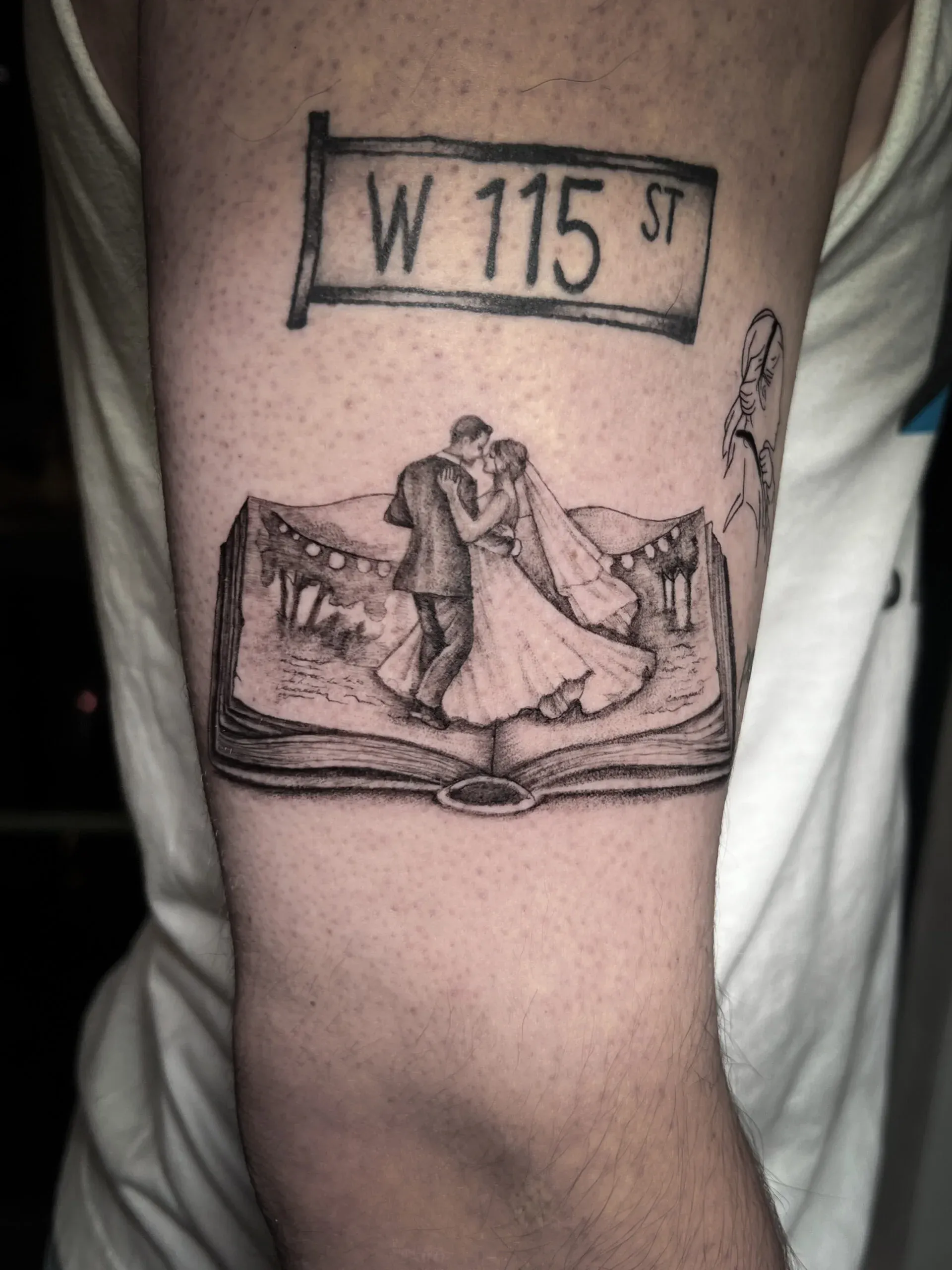
A personalized tattoo should feel like an extension of your overall style. Instead of looking solely at other tattoos for inspiration, draw from the visual elements you already gravitate toward in daily life, such as fine art movements, architectural linework, fashion textiles, or specific color palettes. Sharing these broader taste references with your artist gives them a clear direction to craft a custom tattoo design that fits seamlessly into your visual identity.
4. Let the Art Drive the Meaning (Not the Other Way Around)
When incorporating deep personal symbolism, it is easy to get hyper-focused on what every small detail represents and lose sight of how the piece actually looks. A great tattoo prioritizes composition, contrast, and flow first. Work with your artist to ensure your symbolic elements fit naturally within a strong visual structure, rather than forcing too many icons into a layout that breaks the artwork.
5. Get Involved in the Creative Process
Active participation in tattoo consultations unlocks the best results. Share your ideas, reference images, and boundaries clearly, but stay open to your artist’s technical input. This collaborative back-and-forth often leads to unexpected solutions that elevate the final design.
6. Research Styles That Speak to You
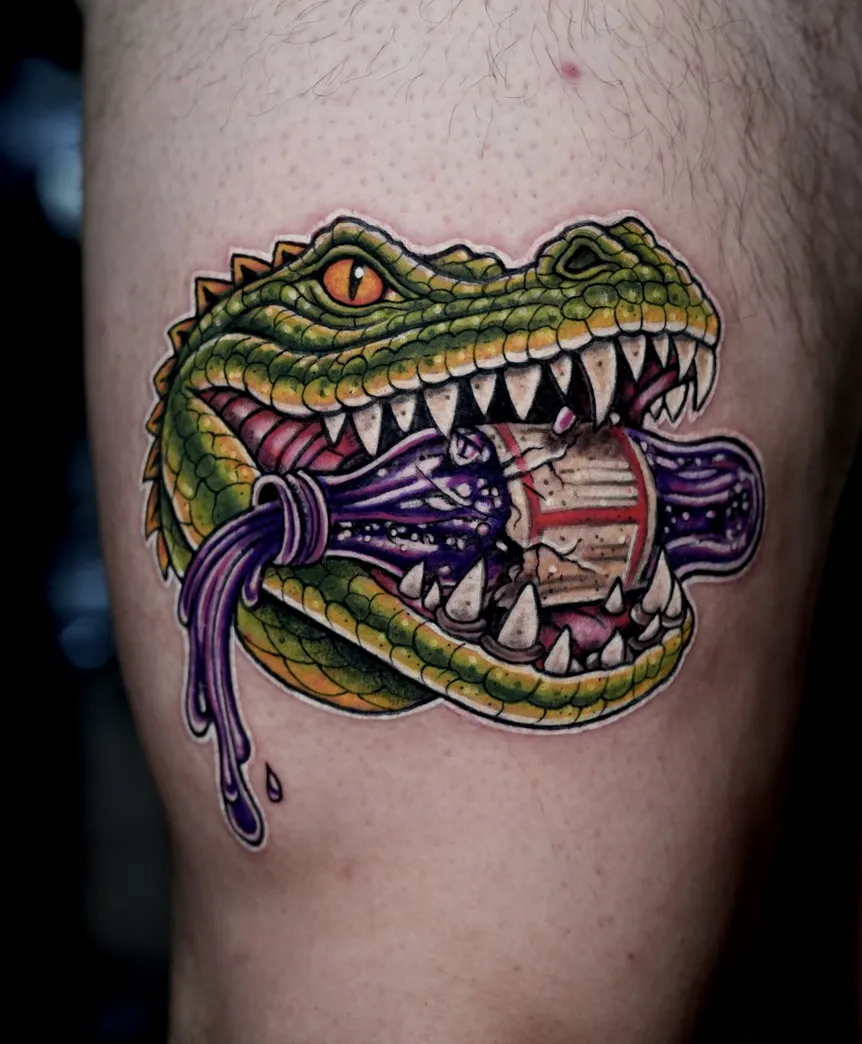
From fine-line precision and bold blackwork to realism or illustrative color, different techniques evoke completely different reactions. Explore a wide range of tattoo styles, even those outside your immediate comfort zone, to determine which artistic method best translates your idea.
7. Visualize Placement as Part of the Design
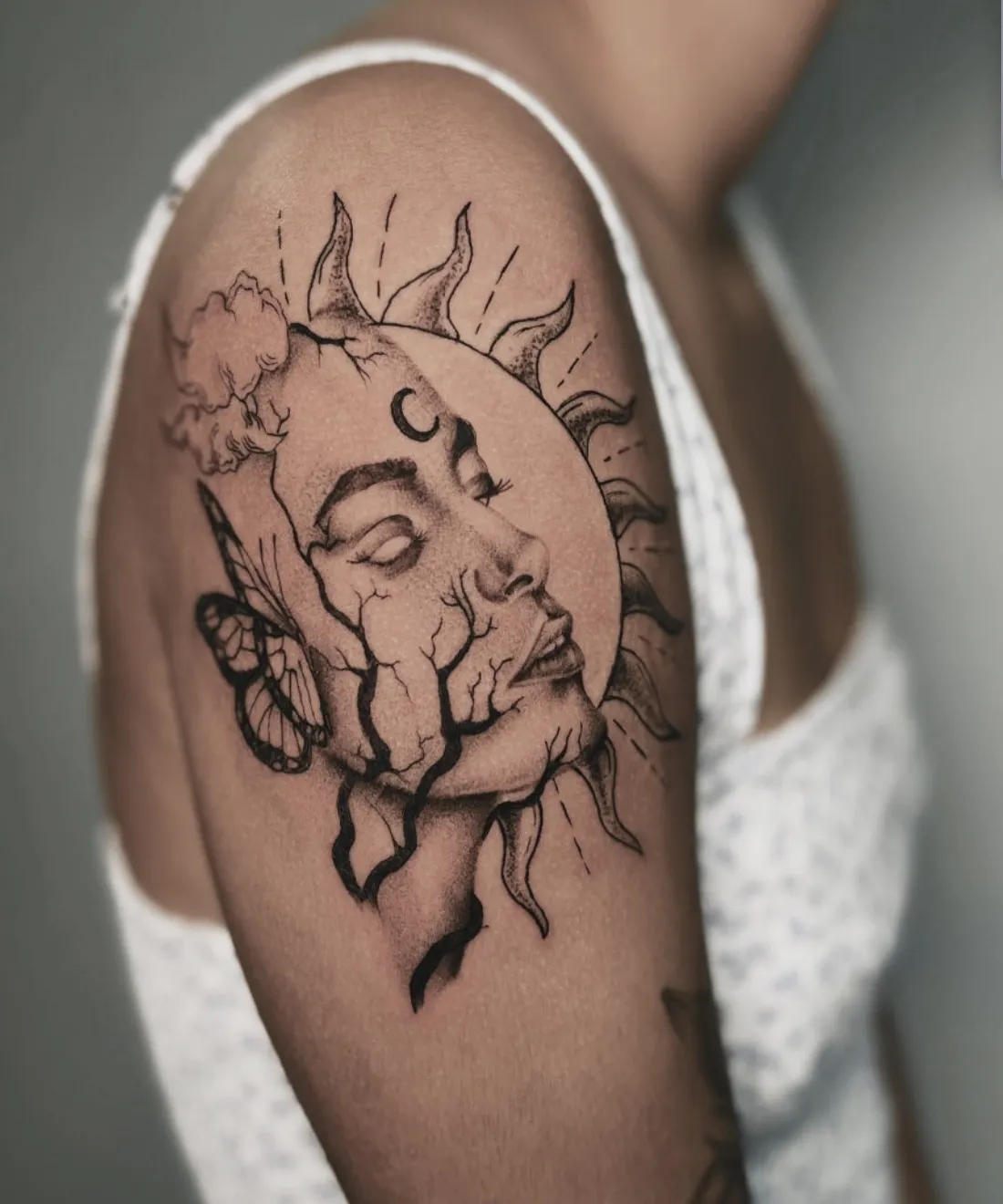
While your artist is the ultimate expert on how a design will fit and age on your body, taking time to visualize placement during your initial planning helps clarify your vision. Thinking about how a piece interacts with your natural contours, muscle movement, or existing tattoos gives you a starting point for your consultation. From there, your artist will refine the positioning to ensure the artwork flows naturally with your anatomy.
8. Embrace Complexity or Simplicity on Your Terms
Making a tattoo genuinely yours means honoring your preference, not accommodating outside expectations of what a "real" tattoo should look like. Whether you love delicate, minimalist linework or dense, maximalist detail, honor the scale your vision requires. Forcing unnecessary shading or symbolism into a clean, simple concept risks cluttering the layout. Conversely, oversimplifying a detail-heavy idea to appease cautious outside opinions dilutes the artistry, leaving you with a washed-out version of a rich piece.
9. Test Your Ideas in Your Daily Routine
A good way to test a custom design is to put your favorite reference images somewhere you’ll see them every single day, like your phone lock screen or bathroom mirror. Living with the image in your daily routine for a few weeks quickly reveals how you feel about it. If you still love seeing it every morning, you know you’ve found a keeper; if you start getting tired of looking at it, it’s a clear sign to tweak the concept before booking your appointment.
10. Choose an Artist Who Understands Your Goals
The execution of creative tattoo ideas depends entirely on finding an artist whose technical portfolio and communication style align with your project. Whether you want a complex realism sleeve or a minimalist script piece, partner with a specialist who understands your specific visual goals.
Common Mistakes That Ruin Design Originality
Pursuing meaningful tattoo ideas requires avoiding a few common traps that degrade the quality and individuality of the finished work.
TRAP: Copying Social Media
↳ RESULT: Outdated trends and identical artwork.
TRAP: Ignoring Skin Aging & Scale
↳ RESULT: Muddy lines and lost detail over time.
TRAP: Neglecting Post-Session Care
↳ RESULT: Faded pigment and uneven healing.
Chasing Short-Lived Trends
Social media trends move quickly, but tattoos are permanent. Choosing a design because it is popular right now, rather than because it genuinely reflects your personal taste, often leads to regret once that moment passes. Focus on themes and aesthetics that align with your actual preferences rather than on temporary popularity.
Trying to Tell Your Entire Life Story in One Piece
A common trap when designing a first or deeply personal tattoo is forcing every single meaningful milestone, birth date, and favorite symbol into a single design. Trying to fit five different concepts into one piece dilutes the impact of all of them. The most visually striking tattoos pick one core idea and execute it exceptionally well, rather than turning a single arm into an overcrowded bulletin board.
Skipping Proper Tattoo Aftercare
The design process does not end when you step out of the chair. Neglecting healing instructions leads to heavy scabbing, pigment loss, and blurred edges. Follow Club Tattoo's aftercare protocol strictly to preserve the crispness of the original application.
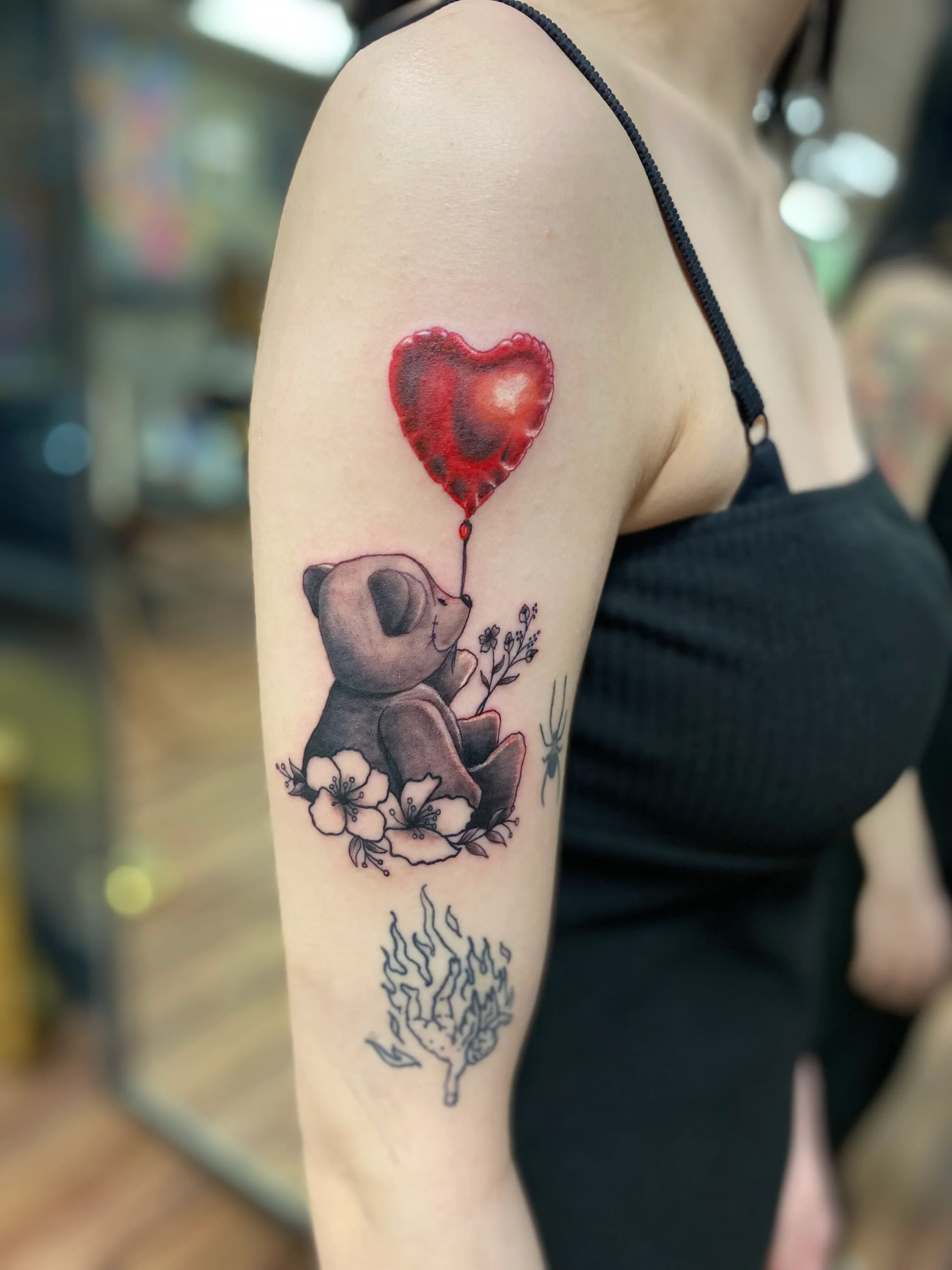
Quick Checklist: What to Bring to Your Custom Consultation
Before you walk into your appointment or submit your online consultation form, run through this quick prep list to help your artist hit the ground running:
-
3 to 5 Anchor References: Keep it focused. Bring a few images that capture the overall vibe rather than overwhelming your artist with dozens of random screenshots.
-
Your "Layer Breakdown": Identify what you like about each image—is it the subject matter, the shading style, or just the color palette?
-
A Clear "Do-Not-Want" List: Knowing what you don't like (e.g., heavy black shading, color, or specific symbols) saves hours during the design phase.
-
An Ideal Placement & Size Goal: Have a general sense of where you want the piece and how much real estate you're willing to give it (e.g., "outer forearm, hand-sized").
-
Openness to Technical Advice: Trust your artist when they recommend scaling up, adjusting line spacing, or tweaking placement so your ink ages cleanly over time.
Partnering With the Right Expert Tattoo Artist
A custom design is only as good as the hand executing it. For over two decades, Club Tattoo has set the industry standard for custom artwork, precise execution, and hospital-grade safety protocols.
Check out our artist portfolios to find the right artist for your project, then book a tattoo appointment online or drop by any of our studios, including our flagship shops in Las Vegas and Arizona, to start the consultation process in person.
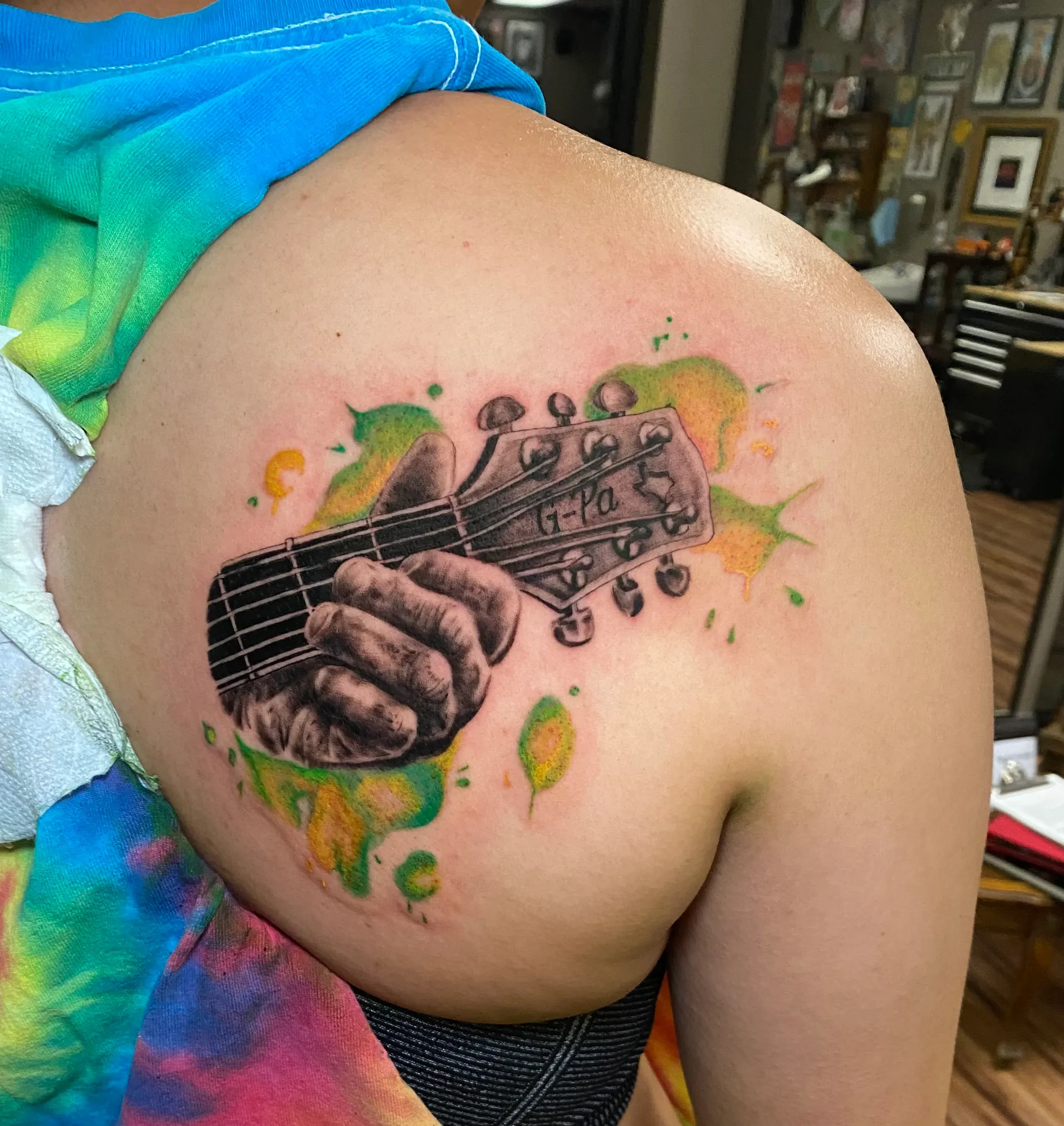
Frequently Asked Questions
What is the best starting point when I want to personalize a tattoo design?
Start by gathering raw visual references, such as fine art, color palettes, or personal notes, and determining whether your priority is emotional symbolism, visual aesthetic, or a mix of both. Bring these elements to an artist who specializes in your preferred style.
Can I combine multiple different styles into one tattoo?
Yes! Blending styles, such as pairing realistic subject matter with geometric line work, is a great way to create a unique piece. An experienced artist will ensure the transition between different styles looks deliberate and clean.
How do I know if my design idea is too small for the amount of detail I want?
Your artist will evaluate the scale during the consultation. If lines are placed too close together, they will bleed into each other as the skin ages. High-detail designs generally need to be scaled larger to remain crisp over time.
Is it okay to bring in an image of someone else's tattoo for reference?
You can bring in images of existing tattoos to show elements you like, such as line weight, shading style, or general placement. However, reputable artists will use those images as inspiration and will redraw a custom version rather than copying another artist's work directly.
How does tattoo placement affect the overall design process?
Body placement dictates the shape, angle, and size of the artwork. Artists design custom pieces to follow the movement of muscles and natural bone structures, so the tattoo moves naturally as your body moves.