You wouldn't hire a tattoo artist without looking at their past work, and a professional piercing shouldn't be any different. Beyond the initial excitement of changing up your look, you want to know the person behind the needle actually understands anatomy—which is why your very first step should always be browsing a studio's piercing portfolios.
Any reputable shop will make its digital galleries incredibly easy to find. In fact, if a studio hides its work or doesn't openly showcase its past results on its website or social media, that is an immediate red flag.
Evaluating a professional piercing artist's digital and physical lookbook is your most powerful tool for ensuring a flawless, safe experience. At Club Tattoo, we have completely elevated the body art experience by ditching the old-school, back-alley piercing shop stereotypes and replacing them with high-end luxury hospitality and clinical-grade precision.
Before you book your next transformation, let’s dive into why reviewing piercing portfolios is essential for making an informed choice, what hidden indicators you should look for, and how to spot a true master of the craft.
1. Why Visual Proof Is Non-Negotiable for Your Peace of Mind
When it comes to body modification, a portfolio serves as an artist's professional resume—combining proof of technical mastery with an absolute commitment to client safety (while showcasing those stunning jewelry curations we all love).
Every human body is completely unique, and a master piercer's job is to map jewelry to your specific micro-anatomy. Looking through an artist’s past work gives you immediate answers to some of the most critical questions: Are their placements completely straight? Does the jewelry look like it has enough breathing room to heal, or does it look uncomfortably tight against the skin? Overall, does the piece look balanced and natural on the body?
Reviewing a piercer's history proves they know how to adapt their technique to completely different structural shapes. It gives you the confidence that you're pairing up with a professional who treats anatomy carefully, rather than taking a one-size-fits-all approach. It sets the perfect foundation for your actual in-person consultation, transforming an intimidating process into a relaxed, collaborative experience.
2. How to Read Piercing Portfolios Like an Industry Expert
Many people flip through a digital gallery and simply think, "Wow, that looks cool." But to truly protect your health and get a stunning result, you need to know how to spot the subtle technical details that separate amateur work from elite artistry.
Whether you are scrolling through the lookbooks of our New Jersey piercing studio or browsing the high-end galleries at our Las Vegas piercing locations, train your eye to look for these three crucial indicators whenever you explore body piercer portfolios:
Anatomical Alignment and Precision
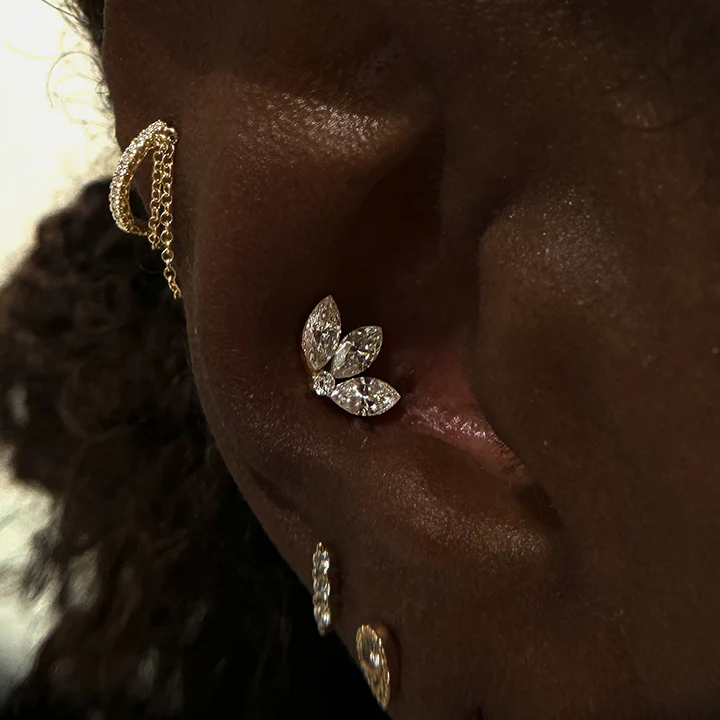
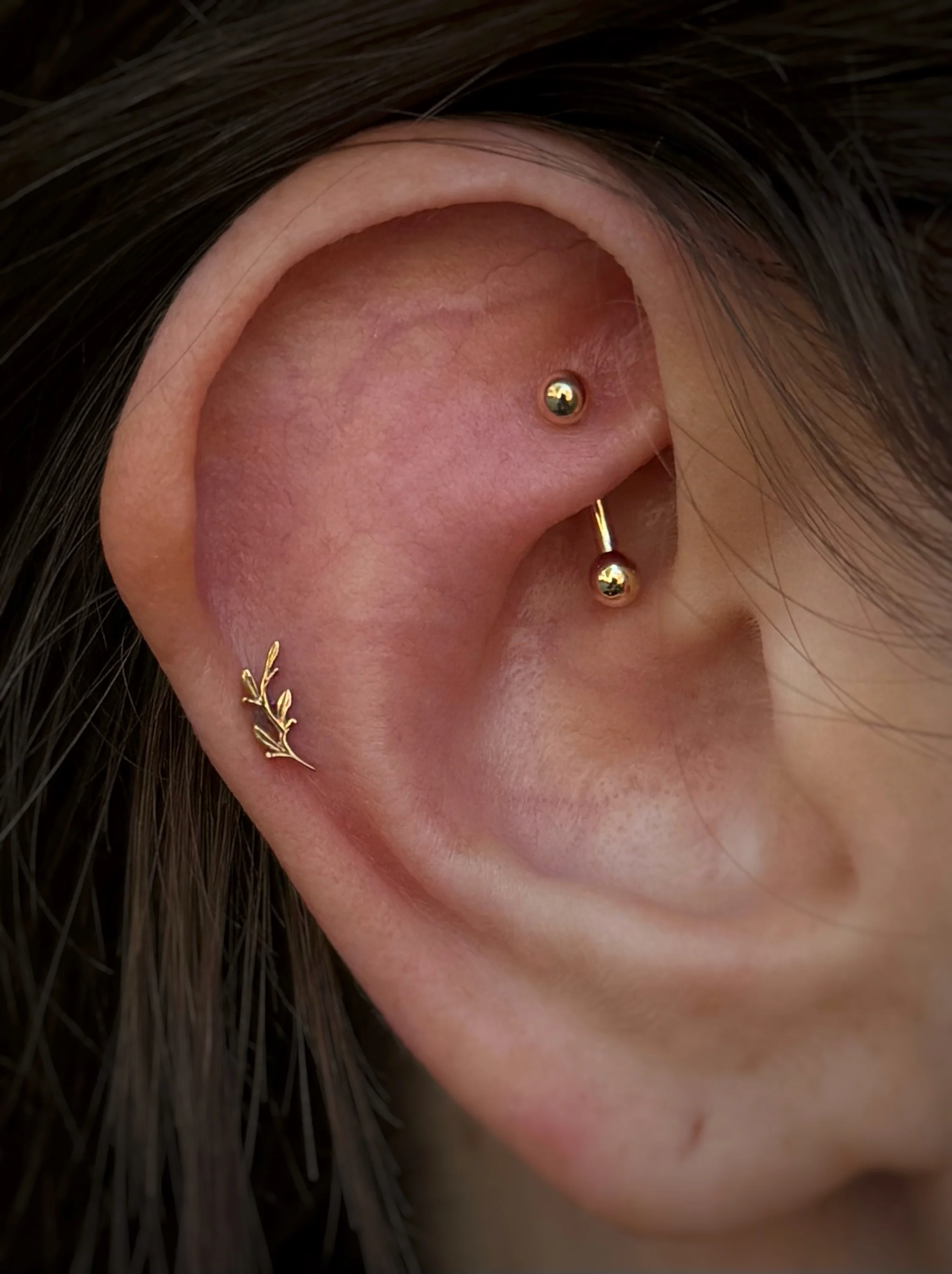
A perfect piercing should look completely organic to the body. Look closely at symmetrical placements like paired nostrils, dual nipples, or high lobes. Are they perfectly level? In cartilage work, like an industrial or a helix, does the bar sit flush without warping or putting pressure on the ear's natural shape?
Swelling Management and Initial Posture
A great portfolio shows healed piercings and totally fresh work. Look at the skin immediately surrounding the jewelry. While a little bit of redness is totally normal for a fresh piercing, the skin shouldn't look awkwardly pinched, dimpled, or uncomfortably squeezed by the jewelry. There should be space left on the post or barbell to safely accommodate the body's natural initial swelling.
Jewelry Styling and Cohesive Curation
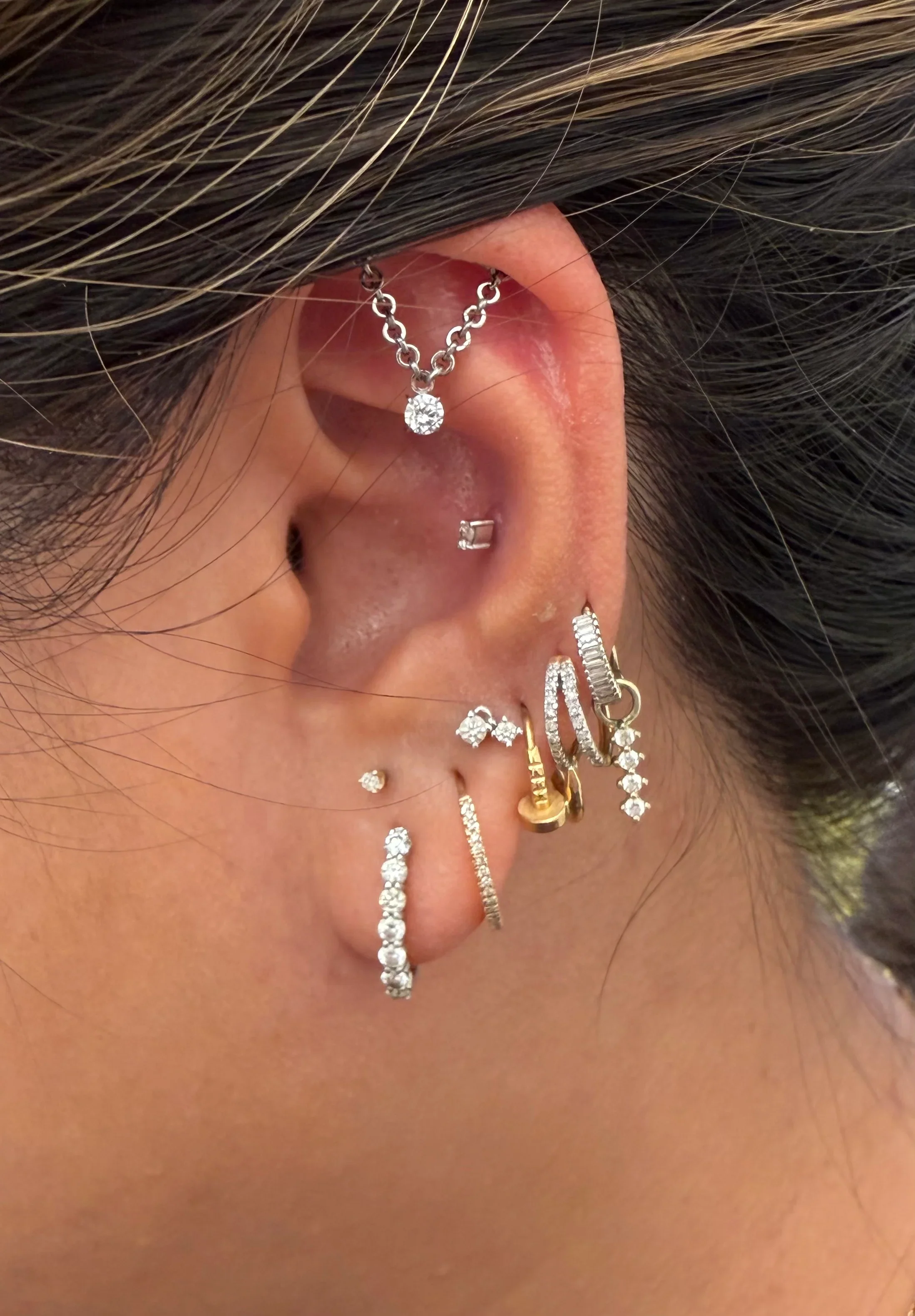
An amateur piercer just pokes a hole and pops in whatever bar fits, while an expert treats your body like a curated art gallery. Look for photos of "ear projects" or multi-piercing curations. Does the jewelry selection look thoughtful and cohesive, or does it look cluttered and mismatched? The metals, gemstones, and textures should complement each other beautifully, proving the artist knows how to style a look that matches your personal aesthetic.
3. The Anatomy of Luxury Jewelry in Portfolios
The quality of the jewelry a piercer uses is just as important as their needle technique. When you look through a portfolio, look past the sparkle and focus on the craftsmanship of the metals.
Cheap, low-grade mystery metals (like basic "surgical steel" or acrylics) contain high amounts of nickel, which trigger allergic reactions, cause severe irritation, and lead to piercing rejection.
Premium Metals to Look For:
- Implant-Grade Titanium (ASTM F-136): The gold standard for fresh piercings. It’s entirely hypoallergenic, highly durable, and lightweight.
- Solid 14k or 18k Gold: Free of cheap alloys, biocompatible gold offers unmatched luxury while keeping your healing skin healthy.
- Niobium: A pure element excellent for clients with extreme metal sensitivities.
Club Tattoo artists curate their portfolio with luxury body jewelry from world-renowned brands like BVLA (Body Vision Los Angeles) and Buddha Jewelry Organics. A portfolio full of hand-set genuine gemstones and mirror-polished internal threading tells you that the studio values your long-term health just as much as your aesthetic.
4. Professional Credentials: The APP Difference
Beyond the photos, a trustworthy portfolio is backed by verifiable credentials. At Club Tattoo, we maintain strict safety protocols that far exceed standard state mandates because we believe clinical-grade hygiene is just as important as the art itself. That is why our piercers are members of or strictly aligned with the Association of Professional Piercers (APP).
When you look at an APP-compliant portfolio from our team, you are looking at the work of an artist who stays up-to-date with advanced cross-contamination prevention, bloodborne pathogens training, and hospital-grade sterilization techniques. Seeing these credentials alongside our creative work gives you complete peace of mind that your procedure is being handled in a pristine, medical-grade environment.
5. Transitioning From the Studio to Long-Term Healing
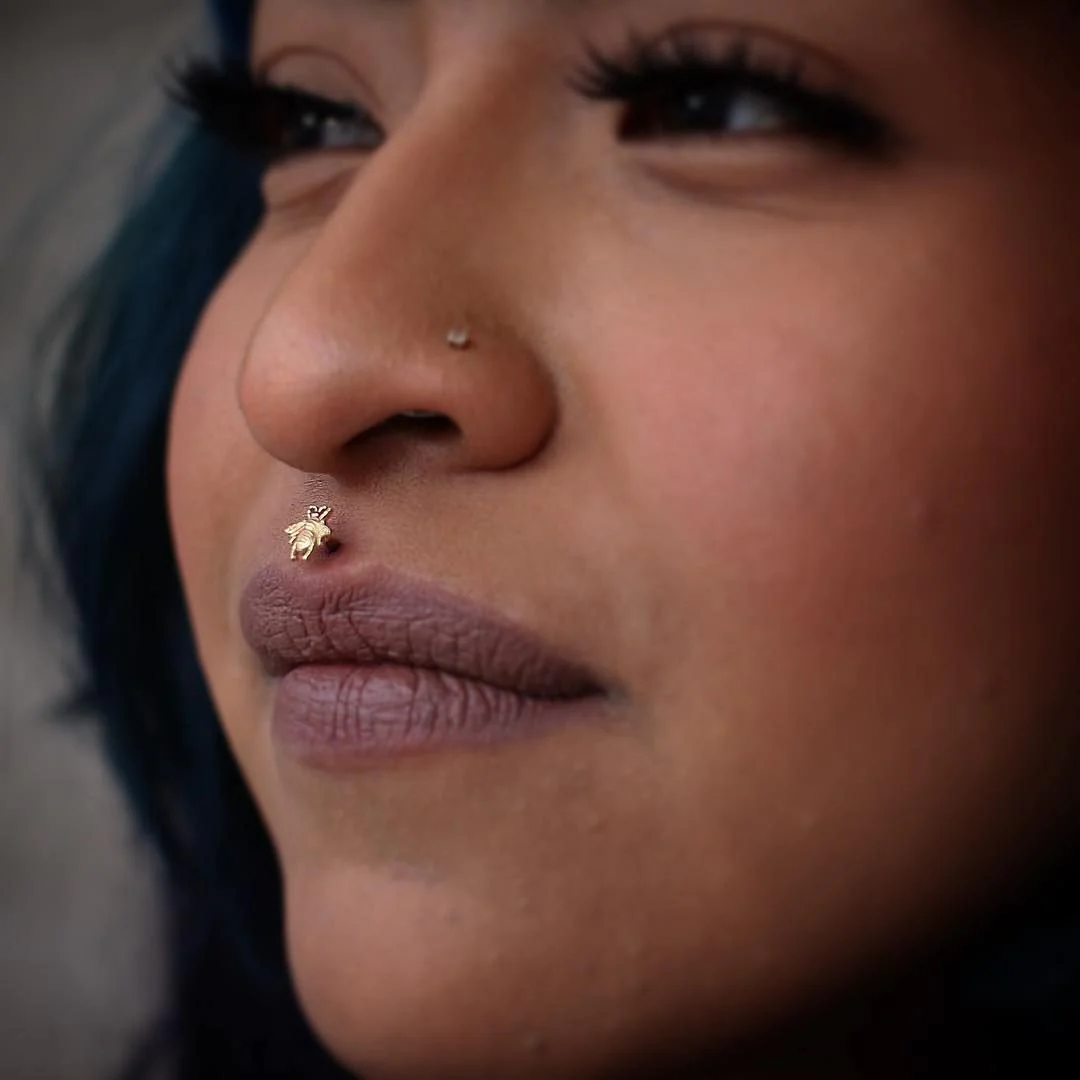
A portfolio piece only stays beautiful if it heals correctly. How you treat your skin over the first few months dictates the lifetime longevity of the art. To keep your new jewelry looking as pristine as the photos, it is crucial to follow a professional piercing aftercare routine from day one.
Your Post-Piercing Success Plan:
- Ditch the Home Remedies: Never use harsh chemicals, rubbing alcohol, or homemade salt mixtures on your skin.
- Use Sterile Saline: Cleanse the area twice daily using a dedicated, pressurized solution like NeilMed Piercing Aftercare.
- The "LITHA" Rule: Leave It the Hell Alone. Avoid twisting, turning, or sleeping on your fresh jewelry.
Want to keep your new art looking as crisp and healthy as the photos in our galleries? Explore our full collection of premium aftercare products to protect your investment.
Ready for Your Transformation?
Your body is a canvas, and it deserves to be styled by the absolute finest creators in the industry. By taking the time to analyze portfolios, prioritize premium jewelry, and choose studios that uphold hospital-grade hygiene, you ensure your body art journey goes smoothly from the start.
Are you ready to experience luxury body piercing executed with clinical precision? Browse our elite talent and stop by for your next piercing appointment today.
Frequently Asked Questions (FAQ)
Can I see your piercers' work before making a decision?
Yes, absolutely! We encourage all prospective clients to thoroughly inspect our artists' work. You can browse our comprehensive digital galleries online or use our patented interactive touchscreen displays directly in our luxury studio lounges to evaluate past designs, healed placements, and jewelry stylings before your session begins.
Why is titanium or gold preferred for initial piercings in portfolios?
Implant-grade titanium and solid 14k/18k gold are highly biocompatible, meaning they do not contain harmful nickel alloys that cause skin allergies, severe swelling, or piercing rejection. Portfolios showcasing these high-end metals indicate that the studio prioritizes clean healing and maximum structural longevity for your body art.
How do I know if a piercing in a portfolio is placed correctly?
A correctly placed piercing should flow perfectly with your natural anatomy. Look for barbells or rings that sit entirely straight without tugging or distorting the surrounding tissue. Paired piercings should be perfectly symmetrical, and there should always be a small amount of visible post left on the jewelry to safely accommodate initial post-procedure swelling.
What should I do if my fresh piercing starts swelling or getting irritated?
Mild swelling and redness are completely normal during the first few weeks of healing. Keep the area clean by spraying it twice a day with a sterile saline wash like NeilMed, and avoid touching or spinning the jewelry. If you experience excessive swelling or prolonged irritation, contact our studio team immediately so our expert piercers can evaluate your healing progress.