
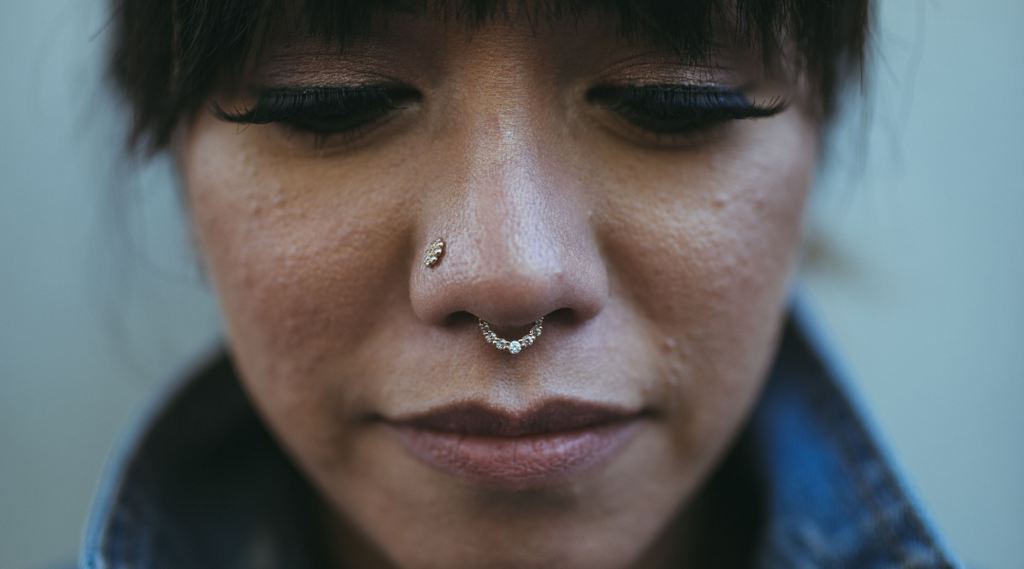
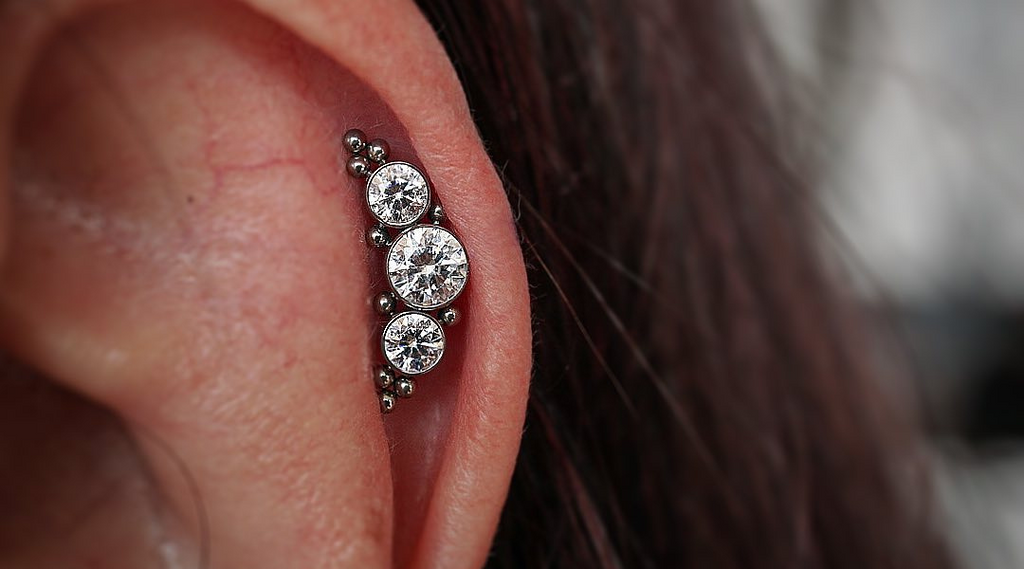


If you’ve spent any time living in South Florida, you’ve probably heard the classic myth: "Just jump in the ocean, the saltwater will heal that wound right up."
In reality? That advice is a fast track to a serious infection. Getting a premium piercing in Miami requires a reality check about the local climate. Our year-round tropical humidity, intense sun, constant sweat, and coastal waters all work against a fresh wound, making the recovery process much trickier than it would be anywhere else. What works in a dry climate simply won't cut it down here.
To help you navigate the healing process, we have put together a practical guide to safe piercing practices, weather-resistant jewelry, and mastering Miami aftercare. Here is how to protect your investment and why Club Tattoo Miami stands out as the premier destination for elite body modifications.
The Miami Aftercare Guide: Healing in a Humid Climate
The single biggest hurdle for a fresh piercing in South Florida is the weather. Constant humidity and sweat keep the skin damp, creating an environment where bacteria can easily thrive. On top of that, common local activities like hitting the beach or relaxing by the pool can introduce unwanted pathogens to an open wound.
To keep your healing smooth and uncomplicated, following a structured piercing aftercare plan is non-negotiable when dealing with coastal elements:
1. Manage the Moisture (Keep it Clean and Dry)
In a humid climate, fresh piercings tend to stay wet for too long. Prolonged moisture can soften the healing tissue, making it much easier for irritation bumps or long-term swelling to develop. Because excess moisture is such a major risk factor, your daily cleaning routine needs to focus equally on both sanitation and thorough drying.
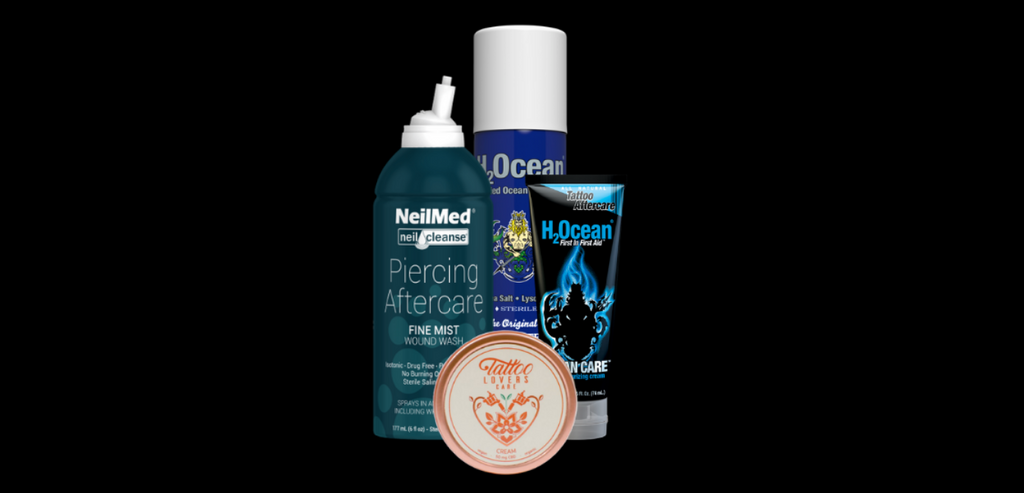
Cleanse the area twice a day using a sterile, preservative-free saline spray. Mist the front and back gently, let it sit for a minute to soften any crust, and wipe away debris with a clean piece of non-woven gauze. For best results, use premium formulas from a dedicated tattoo and piercing aftercare collection. Once cleaned, always use a fresh, dry piece of gauze or a disposable paper towel to gently pat the entire area completely dry.
- Crucial Miami Tip: Don't let sweat sit on your skin. Immediately after working out or spending time outdoors, rinse the area with sterile saline or clean water and immediately pat it completely dry. Never leave the site damp from the elements.
2. Stick to a Strict "No-Swim" Rule
Keep your fresh modification completely out of the ocean, swimming pools, hot tubs, and the bay for at least 4 to 8 weeks, depending on the placement. Don't fall for the myth that ocean water is beneficial for an open wound; natural bodies of water are full of living bacteria. Public pools are equally risky, as heavy pool chemicals will severely irritate raw, healing skin. Stick to your sterile saline spray and keep your piercing dry.
3. Handle Sweat and Sunscreen Carefully
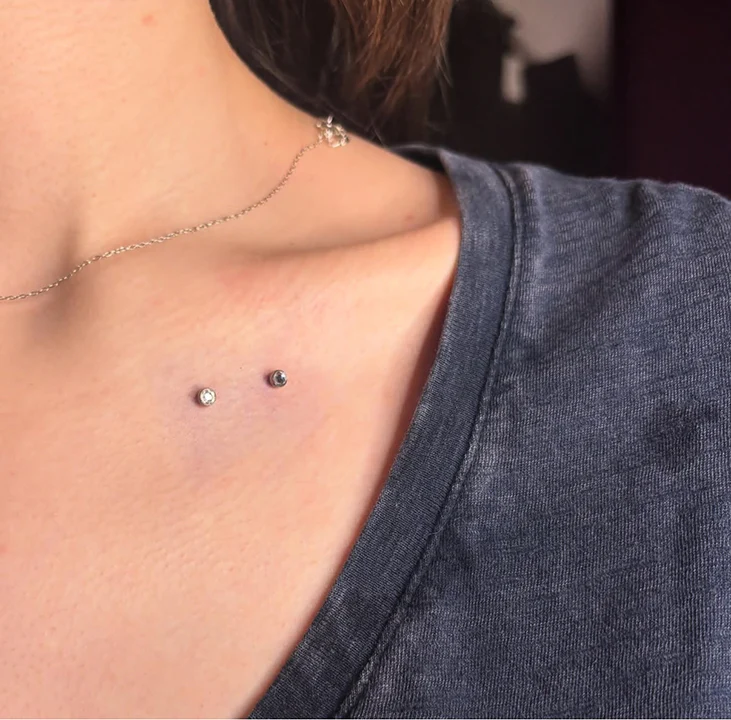
If you spend time outdoors or hit the gym, sweat will naturally run toward your new piercing. Always rinse the area with sterile saline or fresh, clean water immediately after a workout or a hot day outside. When applying sunscreen or tanning lotions, leave a generous boundary around the piercing site. Getting thick, chemical-heavy lotions trapped inside a fresh piercing channel is a direct route to irritation and infection.
4. Choose Breathable, Loose Clothing
For body or navel piercings, Miami's humidity makes tight, synthetic clothing a major risk factor. Stick to loose-fitting, lightweight, and breathable fabrics like cotton or linen. This minimizes friction against the wound, allows oxygen to reach the skin, and prevents sweat from getting trapped directly against the area.
Choosing Jewelry Built to Survive South Florida Weather
Because South Florida's coastal salt air and heavy humidity accelerate oxidation, low-grade body jewelry will break down quickly, releasing irritating toxins into the skin over time and potentially causing chronic swelling, discoloration, or allergic reactions. Selecting a certified, biocompatible material from day one is vital for long-term comfort.
| Material Type | Technical Standards | Why It Beats the Climate |
|---|---|---|
| Implant-Grade Titanium | ASTM F136 / ISO 5832-3 | Completely hypoallergenic, lightweight, and 100% corrosion-resistant. It will never react to sweat, heavy humidity, or ocean salt air. |
| Solid 14K / 18K Gold | Nickel and Cadmium-Free | Premium luxury choice that remains completely stable inside human tissue. Note: Avoid cheap gold-plated or gold-filled items, which flake and cause infections. |
| Niobium | Biocompatible Element | Highly comparable to titanium, excellent for hyper-sensitive skin, and completely resistant to the elements. |
To protect your healing tissue, premium studios reject mystery metals and basic "surgical steel" blends that often conceal trace amounts of irritating nickel. Club Tattoo display cases feature an expansive collection of world-class, certified jewelry from industry-leading creators like BVLA and Buddha Jewelry, giving you endless stylistic freedom without compromising your health.
What to Look for in a Premium Miami Piercing Studio
Finding a safe piercing studio means looking past the cool artwork on the walls and checking a few basic, real-world signs that show the shop prioritizes your health. When you are scouting local options, make sure they check these simple boxes:
- Spotless Work Stations: The piercing room should look as clean and organized as a high-end clinic. If a station has old clutter, open trash cans near the chair, or looks dusty, it is a major red flag.
- Brand-New, Sealed Needles: A professional piercer will always open a brand-new, factory-sealed needle package right in front of your eyes. Needles are strictly single-use—never accept tools that were already sitting loose on a tray before you walked in.
- An Honest Anatomy Check: A great piercer won't just take your money and pierce whatever you ask for. Everyone’s ears, nose, and body shapes are completely unique. A true pro will look closely at your anatomy first to make sure the piercing can actually heal correctly, and they will suggest a safer alternative if your skin or bone structure isn't a good match for the style you want.
- Walk-In Availability: The best studios recognize that creative inspiration can strike at any moment. While some locations require booking months out, premier destinations have streamlined their entire client journey. At Club Tattoo, our professional piercing services are available exclusively on a walk-in basis, making it entirely effortless to walk in with an idea and leave with a masterpiece.
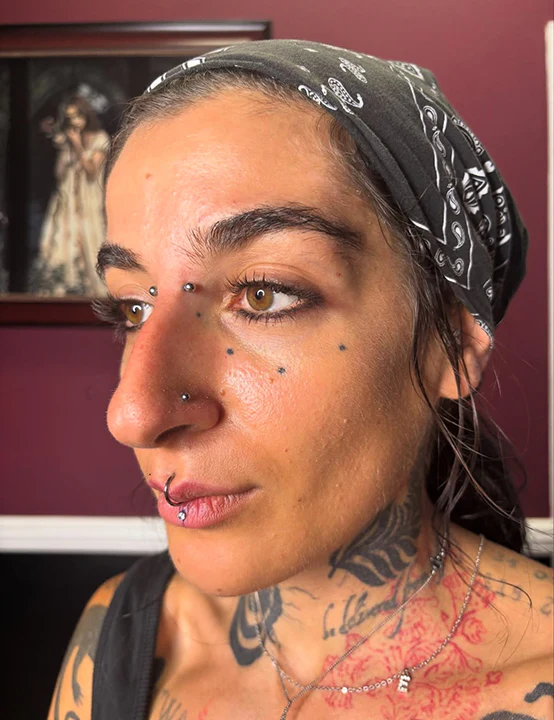
Evaluating a Piercer's Expertise
Successful healing comes down to two things: how you treat the piercing at home and how perfectly it was placed in the studio. You can control your climate aftercare perfectly, but if the foundation is flawed from the start, your tissue will constantly fight to recover. Before you sit in a chair, make sure to review these critical steps:
Verify Active Credentials
Never hesitate to ask a studio about their active documentation. A legitimate business must hold a valid body piercing establishment license, along with a mandatory biomedical waste generator permit for that specific location. To keep their credentials active, individual piercers and operators are required to complete an approved annual training course that covers sterilization, aseptic technique, and infection control.
Analyze Portfolios for Anatomy Matching
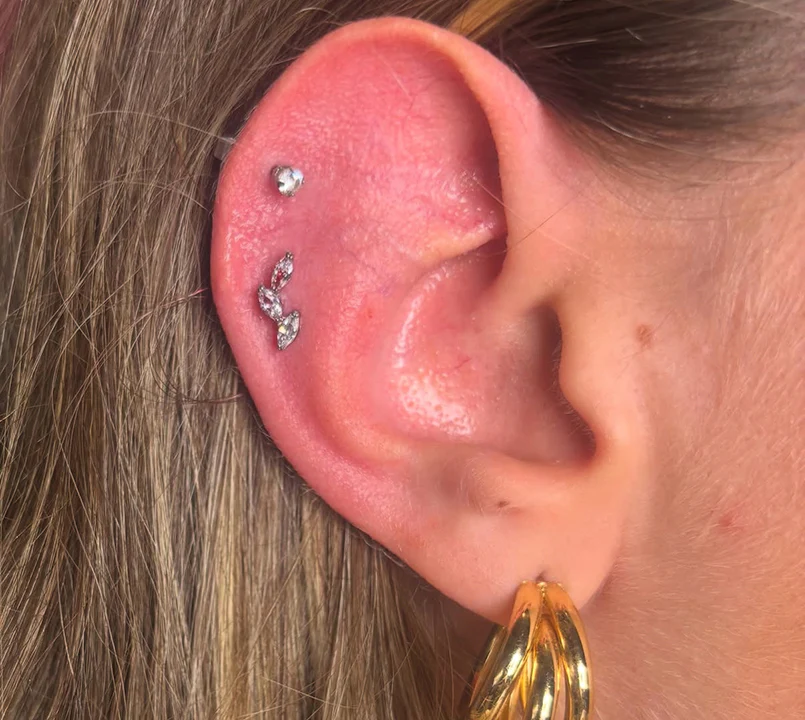
Piercer portfolios tell you exactly how they handle different body types. Instead of just looking at the jewelry, look at how that jewelry sits on the skin. Ear cartilage, nasal structures, and facial features vary wildly from person to person. An expert specialist customizes the placement so the jewelry rests flat, looks visually balanced, and maps perfectly to that individual's natural contours. If the jewelry looks forced, tilted, or squished against the surrounding tissue in the photo, move on.
Understanding Piercing Costs Across Miami Studios
When budgeting for your next piece, keep in mind that piercing prices naturally vary across different local studios based on a few distinct factors:
- The Studio's Safety Standards: Premium studios invest heavily in cutting-edge sterilization technology, advanced staff training, and rigorous safety protocols, which is reflected in their base service fees.
- The Complexity of the Placement: Classic earlobe work requires less technical complexity than advanced placements like industrials, surface dermals, or septums.
- The Jewelry Selection: Your total price balances the piercer's service fee with the cost of your selected jewelry. Choosing a solid 14K gold gemstone stud will naturally carry a higher initial cost than a classic implant-grade titanium barbell.
While choosing a cheap, discount shop might seem tempting up front, cutting corners on body modifications frequently results in improper placement, severe metal reactions, or painful infections. Investing in an elite, established studio ensures a beautiful, precise result that lasts a lifetime.
If you are traveling outside the Sunshine State, feel free to drop by any of our iconic locations, including our world-renowned spaces in Las Vegas, Arizona, or New York City.
Experience the Club Tattoo Standard
Bringing a new creative vision to life should be an exciting, seamless, and upscale experience. At Club Tattoo, we have systematically dismantled the intimidating shop environment to build an open, high-end guest journey centered entirely around your safety and comfort.
With strict adherence to standards that surpass all local health regulations and OSHA guidelines, our team of world-class technical artists is ready to bring your ideas to life with flawless precision.
Swing by our Miami studio on Alton Road today—no appointments required—and discover why we continue to define the ultimate standard for luxury body art worldwide.
Frequently Asked Questions (FAQ)
Can I swim in the ocean or a pool after getting a piercing in Miami?
No. You should avoid swimming in the ocean, pools, hot tubs, or the bay for at least 4 to 8 weeks after getting a new piercing. Even though local myths claim ocean saltwater speeds up healing, open water is full of living bacteria that can cause severe infections. Public pools also contain heavy chemical treatments that will cause painful irritation to raw, healing tissue.
How does Miami’s humidity affect a healing piercing?
Heavy tropical humidity keeps a fresh piercing site damp for prolonged periods. When a wound cannot dry out properly, the healing tissue softens, which drastically increases your risk of developing unsightly piercing bumps, localized hyper-granulation, or long-term swelling. Because of this, patting the area completely dry after cleaning or sweating is vital.
What is the best jewelry material for a piercing in a coastal climate?
Implant-grade titanium (ASTM F136) and solid 14K or 18K nickel-free gold are the absolute best materials for Miami's weather. These metals are entirely biocompatible and resistant to corrosion, meaning they will not break down or leach irritating toxins into your skin when exposed to heavy sweat, ambient humidity, or coastal salt air.
How do I safely clean a new piercing if I sweat frequently outdoors?
You should clean your piercing twice a day using a sterile, preservative-free saline spray, gently wiping away debris with non-woven gauze. If you exercise or spend an afternoon outside, immediately rinse the area afterward with clean water or extra saline spray to wash away salt and bacteria from your sweat, then pat it entirely dry with a disposable paper towel.
The information provided in this article is intended for educational and informational purposes only and does not constitute professional medical advice. While proper studio hygiene and professional application significantly minimize safety risks, individual biological reactions vary. If you experience severe pain, excessive swelling, localized heat, or any signs of a worsening infection, please consult a licensed healthcare professional immediately.

