
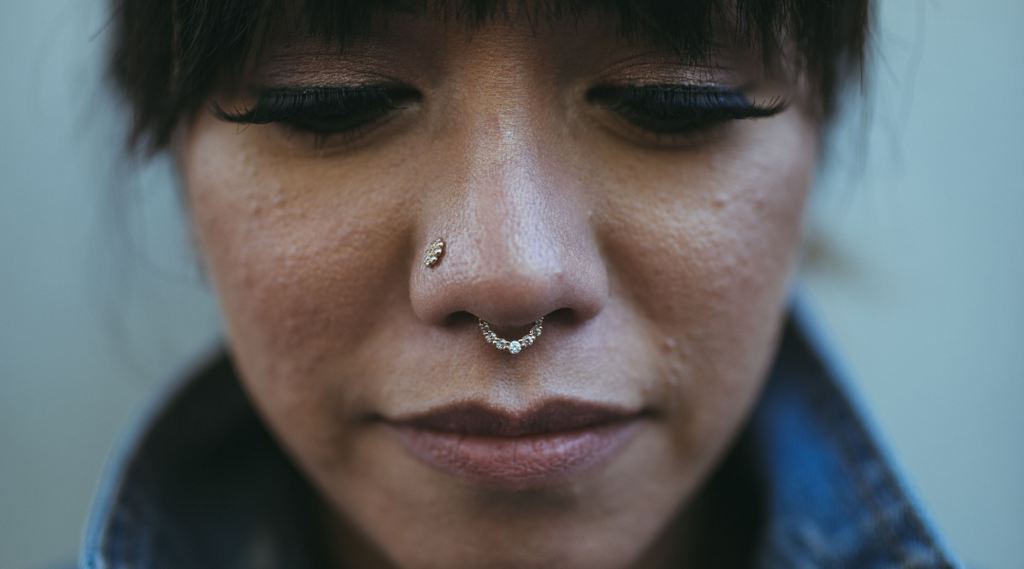
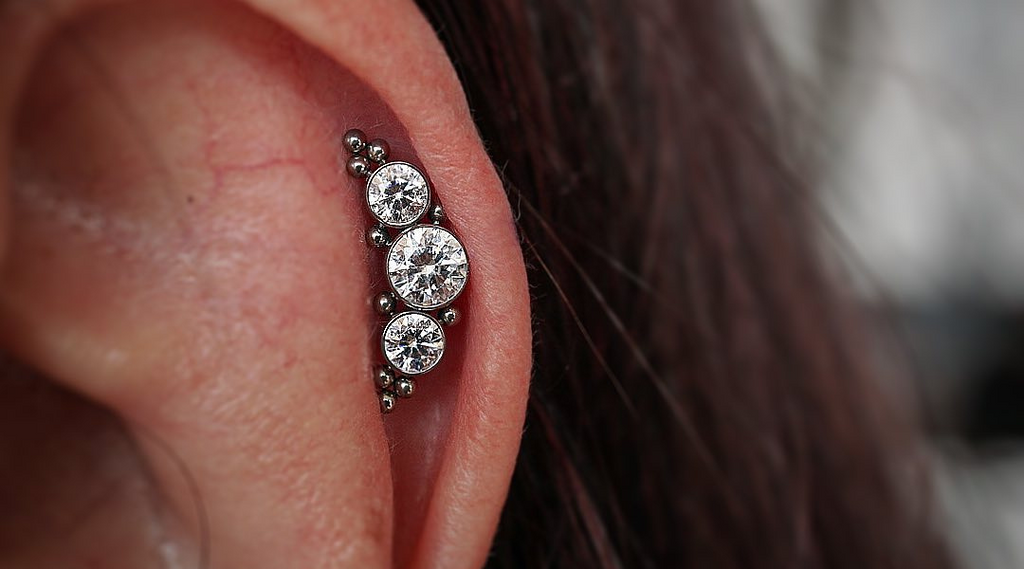


There is a big difference between getting pierced and getting pierced properly. The needle itself takes less than a second, but everything leading up to it—proper prep, sterile setup, and custom anatomical mapping—is what makes the piece look killer and heal cleanly.
At Club Tattoo Miami, we take the guesswork out of that equation. Our resident team combines hospital-grade standards with top-tier craft to make sure your session goes smoothly from start to finish. If you're ready to check out what we offer or set up your chair time, take a look at our full range of professional body piercings.
Getting Ready: How to Prep for Your Appointment
A great piercing experience actually starts a few hours before you step through our doors. Taking care of a few basic physical needs beforehand keeps you comfortable, keeps your blood sugar steady, and helps your body handle the process easily.
Pre-Piercing Prep Checklist
- Eat a good meal: Grab a solid bite 1 to 2 hours before your appointment. Keeping your blood sugar stable is the best way to prevent feeling lightheaded.
- Stay hydrated: Drink plenty of water throughout the day. Well-hydrated skin is more elastic and responds better during the session.
- Skip blood thinners: Hold off on alcohol, heavy caffeine, and over-the-counter blood thinners like aspirin for at least 24 hours before your visit.
- Dress comfortably: Wear loose clothing that gives easy access to the piercing spot without rubbing against your new jewelry afterward.
- Bring your ID: State regulations require a valid government-issued photo ID for adults, plus legal paperwork for minors.
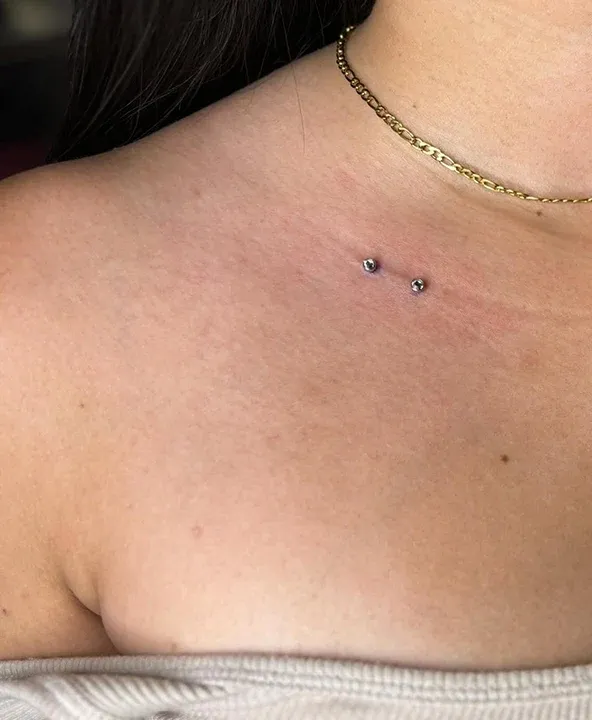
Picking Your Jewelry: Why Quality Comes First
The jewelry you start with plays a huge role in how fast and clean your body heals. Putting cheap or low-grade metals into a fresh piercing can lead to unexpected reactions and long healing delays.
We steer clear of mystery metals, costume pieces, or cheap plated options. Fresh piercings need biocompatible materials like implant-grade titanium or solid gold that won't corrode or react with your body. Reading up on what makes body jewelry high quality will help you make an informed choice when picking out your piece.
Solid Options for Initial Piercings
- Implant-Grade Titanium (ASTM F-136): Super durable, lightweight, and completely nickel-free. This is the gold standard for fresh piercings.
- Solid 14k or 18k Gold: Safe for skin and free of base metal fillers. Any gold used for initial piercings needs to be nickel-free and polished to a smooth finish.
- Niobium: A pure element similar to titanium, making it an amazing pick if you have extreme sensitivities to metals.
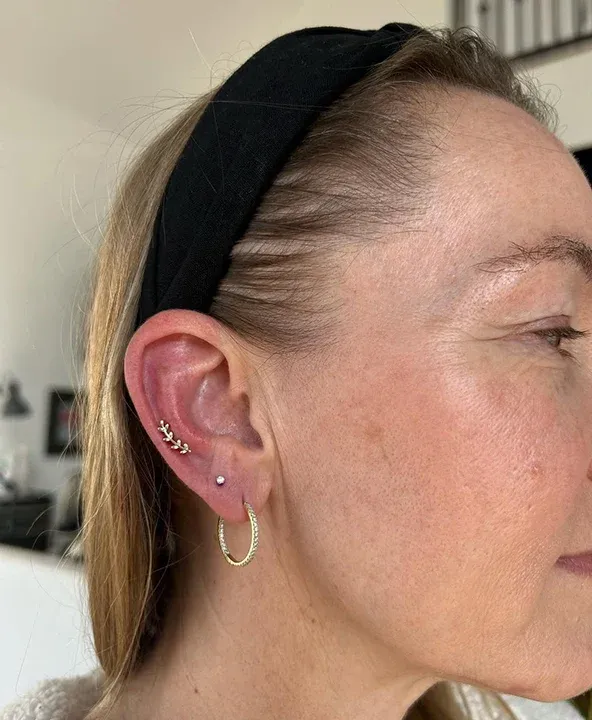
Whether you're leaning toward a clean, minimal look or want to explore unique ear piercing styles to stand out this season, your piercer will match the jewelry to your unique anatomy so it sits flush and looks great while keeping enough post length for healthy healing.
Myth vs. Fact: First-Timer Piercing Secrets
There’s plenty of outdated advice floating around online. Here are a few common misconceptions we clear up for first-timers in the studio:
Myth: Ear piercings are always quick and straightforward.
- Fact: While a standard lobe piercing is relatively low-maintenance, cartilage piercings (like a daith, helix, or industrial) involve dense tissue with low blood flow. Every ear structure is unique, so cartilage placements require custom anatomical planning and significantly more healing time than soft tissue.
Myth: The more unusual or complex a piercing is, the longer it takes to heal.
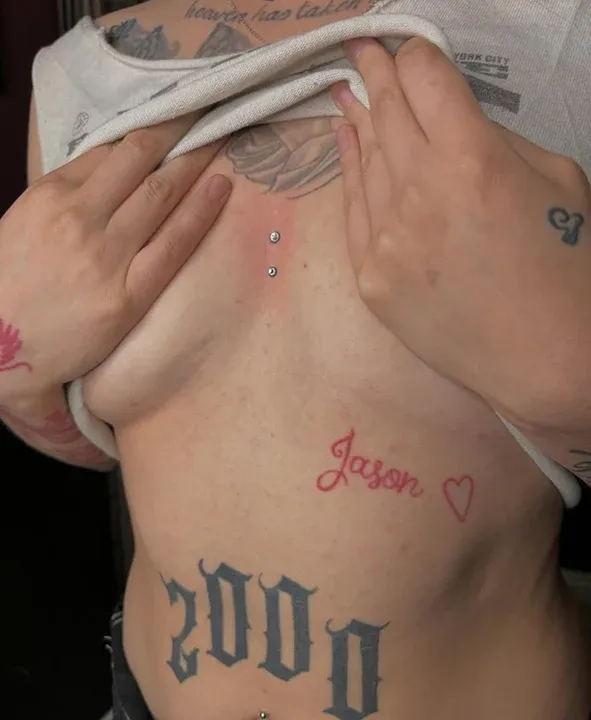
- Fact: Healing time isn't determined by how "unique" a piercing looks, but by location and blood supply. A simple nose nostril or ear cartilage piercing can take 6 to 12 months to heal, while more complex-looking oral or surface piercings often settle in much faster due to high vascularity in those areas.
Myth: You can swap out your jewelry as soon as the initial pain stops.
- Fact: Piercings heal from the outside in. Just because the surface skin stops hurting or flaking doesn't mean the inner channel has fully formed. Changing jewelry too early can tear delicate new tissue and restart your entire healing clock.
Myth: You should twist or spin your jewelry daily so it doesn't stick to your skin.
- Fact: Twisting or spinning your jewelry breaks up the fresh healing tissue inside the channel and introduces bacteria from your hands. Leave the jewelry still and let your body do its work naturally.
Myth: Any style or material of jewelry works for an initial piercing.
- Fact: Brand-new piercings require specific threadless or internally threaded designs made from biocompatible metals like ASTM F-136 implant-grade titanium or nickel-free solid gold. Costume metals, sterling silver, or poorly polished pieces can cause allergic reactions, dark discoloration, and severe healing complications.
Walkthrough: Your Step-by-Step Session at Club Tattoo Miami
Understanding the process helps you relax and actually enjoy the experience. Here is how your appointment flows once you step into our South Beach studio:
- Anatomy Check: Your piercer looks at the area to confirm your chosen placement works well with your natural anatomy for long-term comfort.
- Sanitation and Marking: After cleaning the skin with an antiseptic, your piercer uses a sterile marker to place a small dot. You'll check it in the mirror and make adjustments until you love where it sits.
- Sterile Setup: Your piercer prepares single-use tools, autoclaved equipment, and sterile gloves right in front of you.
- The Piercing: Your piercer guides your breathing—usually asking for a deep inhale and slow exhale. The needle does its job in seconds, and the new jewelry slides right in behind it.
- Final Check: Your piercer cleans up the area, double-checks the angle, and gives you a mirror to check out your new piece.
Before booking, feel free to browse our resident Club Tattoo Miami artist and piercer portfolios. Knowing how to evaluate piercing portfolios gives you extra confidence that you're teaming up with the right expert for your vision.
Taking Care of Your New Piercing
The actual piercing takes only a moment, but healing takes time and a little daily care. A consistent, low-maintenance routine keeps irritation away and keeps your new setup looking great.
Simple Care Rules
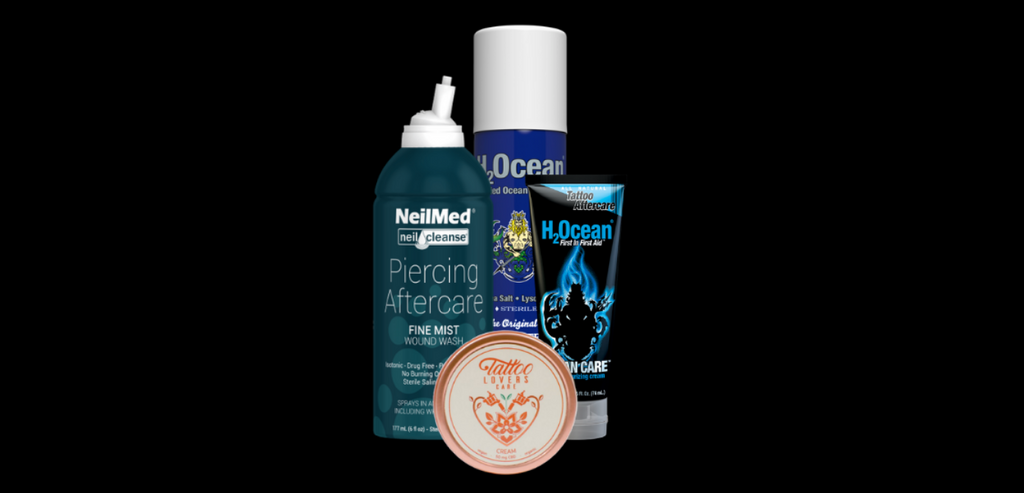
- Clean with Saline: Mist the area twice a day with sterile 0.9% saline solution. Skip harsh soaps, alcohol, or heavy ointments.
- Keep Hands Off: Resist the urge to touch, rotate, or pick at your new piece. Unnecessary touching is the number one cause of irritation bumps.
- Skip the Water: Keep your fresh piercing out of ocean water, pools, hot tubs, and lakes while it heals to avoid bacteria.
- Watch How You Sleep: Don't sleep directly on fresh ear piercings. A donut or travel pillow works wonders for keeping pressure off the area.
- Come Back to Downsize: Once initial swelling drops, stop back in so your piercer can shorten your initial post for a flush, comfortable fit.
For a full breakdown on healing times and step-by-step cleaning routines, check out our guide on body piercing aftercare.
Ready to Get Pierced?
A great first piercing comes down to solid prep, high-quality materials, and working with someone who knows their craft inside and out.
If you live in South Florida or you're hanging out on Lincoln Road during a trip to South Beach, drop by Club Tattoo Miami. Take a look at our jewelry collections, talk through your ideas with a resident specialist, and enjoy a clean, high-end studio experience.
Frequently Asked Questions About Getting Pierced
How much does a first piercing hurt?
Most clients describe a professional needle piercing as a quick pinch followed by a warm sensation lasting a few minutes. Because professional piercers use sharp, single-use hollow needles rather than blunt force tools, the discomfort is minimal and over in seconds.
How long does a body piercing take to heal?
Healing times vary based on the location and blood supply of the tissue. Earlobes generally heal in 6 to 8 weeks, while cartilage placements (such as helix, tragus, or daith) and nostril piercings take 6 to 12 months to heal fully.
What is the best metal for a new piercing?
ASTM F-136 implant-grade titanium and nickel-free solid 14k or 18k gold are the best metals for initial piercings. They are biocompatible, hypoallergenic, non-corrosive, and polished to prevent tissue irritation during healing.
How do I clean a fresh body piercing?
Clean your piercing twice daily by spraying it with sterile saline solution and letting it air dry or gently drying it with sterile gauze. Avoid rubbing alcohol, hydrogen peroxide, antibacterial soaps, or ointments, as they destroy healthy skin cells and delay healing.
When can I downsize my piercing jewelry?
Downsizing typically occurs 3 to 6 weeks after your initial session, depending on the placement. Returning to your piercer to swap out the longer initial post for a shorter bar prevents the jewelry from snagging, tilting, or causing irritation bumps.
