


Infected vs Healing Tattoo: How to Spot the Difference
Whether it is your first piece or you are adding to a full sleeve, the excitement of seeing fresh ink is unmatched. However, once you stand up from the chair and head out the door, the responsibility for that artwork shifts into your hands. Your skin has just undergone a controlled form of trauma, and the way you manage the recovery phase determines whether your tattoo stays vibrant or faces complications.
Committing to a disciplined aftercare routine is the single most important thing you can do to protect your new investment. But while following professional instructions significantly reduces your risk, the reality of healing a wound is that unexpected issues can still arise even with perfect care. Educating yourself on the roadmap of a healthy recovery is vital, as knowing how to distinguish between standard inflammatory responses and the genuine warning signs of an infection allows you to act quickly if something feels off.
The Roadmap of a Healthy Tattoo Healing Process
In the hours and days immediately following your appointment, your body kicks into high gear to repair the skin. This initial stage is often the most visually (and physically) intense, but it is rarely a cause for concern if you know what to look for.
The First 48 Hours: Inflammation and Weeping
Expect the tattooed area to feel warm and tender, much like a localized sunburn. You will likely see some swelling and redness around the edges of the design. During this window, your tattoo may "weep" or ooze. This fluid is a combination of excess ink, plasma, and a small amount of blood. It is your body’s way of cleaning the area and beginning the healing process. If you notice a thin, clear glaze over the tattoo, this is simply the plasma doing its job to protect the site.
Days 3 to 7: The Transition to Peeling
As the initial inflammation subsides, the tattoo will begin to feel dry and tight. This is when the peeling phase starts. You might see small flakes of skin that carry the color of your ink, making it look like the tattoo is falling off. Rest assured, the pigment is actually settled much deeper in the dermis. The flakes you see are just the dead layers of the epidermis shedding away. During this time, the area will likely become super itchy. While it is tempting to scratch, doing so can cause permanent damage to the artwork.
Week 2 and Beyond: The Cloudy Phase
Once the heavy peeling finishes, your tattoo might look slightly dull or "milky." This is a new layer of skin growing over the ink. It is a sign of progress, not a sign that your ink is fading. Continuing a steady aftercare routine with fragrance-free lotion will help the skin regain its natural luster as it fully stabilizes.

How to Identify a Real Tattoo Infection
While most people experience a smooth recovery, infections can happen if bacteria find their way into the open skin. Recognizing these signs early is the difference between a quick fix and compromised ink — or even worse — compromised health.
Spreading Redness and Heat
Normal redness should stay localized to the tattoo and begin to fade after a few days. If you notice the redness expanding further away from the design or if you see red streaks radiating outward, this is a red flag. Similarly, while a new tattoo feels warm, an infected tattoo will feel hot to the touch or develop a throbbing sensation that intensifies rather than diminishes over time.
Unusual Discharge and Odor
We mentioned that clear plasma is normal in the beginning. But if the discharge becomes thick, cloudy, yellow, or green, you are likely dealing with pus. This type of drainage is a clear sign that your immune system is struggling against a bacterial invader. If the area develops a distinct, foul odor, it is time to seek professional advice immediately.
Systemic Symptoms
Sometimes an infection moves beyond the skin and starts affecting your entire body. If you develop a fever, chills, or persistent fatigue shortly after getting a tattoo, do not ignore these signs. These symptoms suggest that your body is fighting a more significant issue that requires medical attention.

Common Tattoo Myths vs. Professional Reality
There is a lot of misinformation online regarding how a tattoo should look while it heals. Let's clear up a few points that often cause unnecessary panic for clients.
-
Myth: Any scab is a sign of infection. In reality, light scabbing is perfectly normal, especially in areas with heavy saturation or shading. Heavy, thick, or "mushy" scabs are the only ones that should be monitored closely.
-
Myth: You should keep your tattoo covered at all times. While your artist will provide an initial wrap, your tattoo needs to breathe to heal. Suffocating the skin with tight bandages or too much ointment can actually trap bacteria and lead to the very infection you are trying to avoid.
-
Myth: If it's itchy, it's infected. Itching is actually a sign of healing skin. Infections are usually characterized by pain or burning, not simple itchiness.
Proactive Steps for Flawless Healing
The best defense against infection is a solid offense. By staying disciplined with your aftercare products, you significantly reduce the risk of any complications.
-
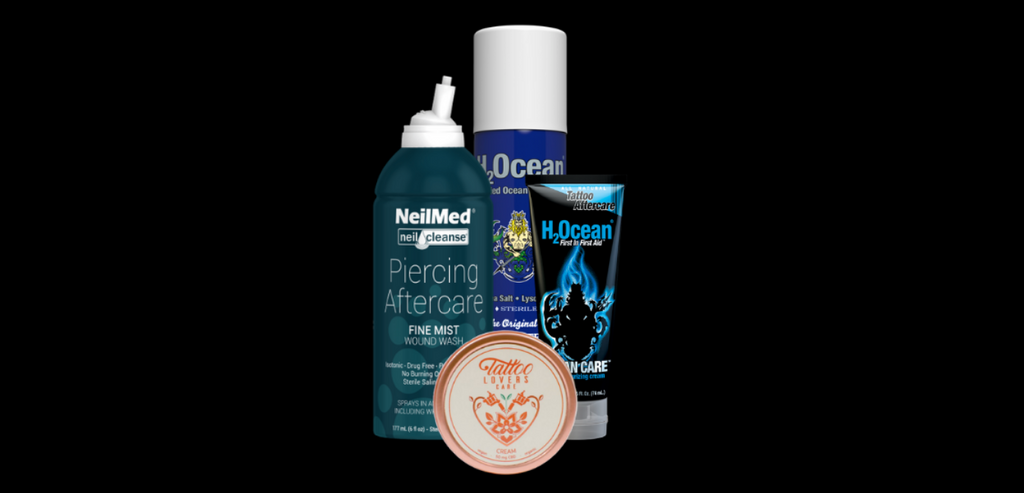
Keep it Clean: Use a mild, fragrance-free liquid cleanser and lukewarm water. Avoid using washcloths or anything abrasive; your clean hands are the best tools for the job.
-
Moisturize Strategically: Apply a very thin layer of recommended ointment or lotion. The goal is to keep the skin hydrated, not greasy. If the tattoo looks shiny or wet after applying lotion, you have used too much.
-
Avoid Environmental Hazards: Stay away from gyms, pools, and sandy beaches for at least two weeks. These environments are breeding grounds for bacteria that can easily compromise a fresh tattoo.
-
Hands Off: It cannot be stressed enough — do not pick, peel, or scratch your tattoo. Let the skin fall away naturally to protect the integrity of the lines and shading.
If you ever have a gut feeling that something isn't right, do not hesitate to reach out. You can visit our world-class artists in Arizona, Las Vegas, New Jersey, or Texas to have them take a look. We are as invested in your new art as you are.
Frequently Asked Questions
Is it normal for my tattoo to look blurry while it heals?
Yes, during the peeling and cloudy phases, the tattoo may appear slightly blurry or dull. This is due to the dead skin cells sitting on top of the ink. Once the skin fully regenerates, the sharpness and clarity will return.
What should I do if I accidentally scratched my healing tattoo?
Gently clean the area with mild soap and apply a thin layer of aftercare lotion. Monitor the spot for any significant pigment loss. If a gap appears after it is fully healed, contact your artist about a touch-up session.
Can a tattoo infection ruin the design?
If left untreated, an infection can cause localized scarring or ink fallout, where the pigment is pushed out of the skin. However, catching an infection early and treating it properly often allows the tattoo to be saved with minimal damage to the aesthetic.
When is it safe to use scented lotions again?
You should wait until the tattoo is completely finished peeling and the skin no longer feels tight or waxy, which is usually after three to four weeks. Even then, if you have sensitive skin, high-quality, fragrance-free products are generally the better choice.
Should I go to the studio or the doctor if I suspect an infection?
If you are seeing medical red flags like spreading red streaks, pus, or a fever, go to a doctor first. Once you have a medical plan, notify your artist so they can document the issue and help you plan for any necessary touch-ups once the skin is healthy again.
Is it normal for the lymph nodes near my tattoo to be swollen?
Slight swelling in nearby lymph nodes can occasionally happen as your body responds to the new ink, but if they are painful or significantly enlarged, it is best to have a professional check for infection.

