For centuries, humanity has used the canvas of the skin to chronicle journeys, signify status, and anchor identity. Far from being a fleeting modern trend, tattoo culture is an ancient, enduring global phenomenon that bridges personal narrative and cultural heritage.
At Club Tattoo, we celebrate body art as a powerful, meaningful way of living that goes far beyond a gritty subculture. To us, it's not just a tattoo—it's the art of life. Understanding the profound history and cultural significance of tattoos deepens our appreciation for the personal masterpieces created in our studio daily.
Tattoos Through History and Culture
To fully appreciate contemporary tattoo culture, we must first explore the rich tapestry of tattoo history. Long before the invention of modern machinery, diverse civilizations independently developed sacred tattooing practices.
Ancient Roots and Spiritual Marks
- Europe: The 5,000-year-old remains of Ötzi the Iceman display tattoos located along joint lines and acupuncture meridians, indicating early tattooing served a practical medicinal function to relieve physical ailments.
- Thracia: Practiced primarily among high-born women in Southeastern Europe, the Thracians viewed pictorial skin markings as a profound symbol of noble lineage, high-society status, and spiritual initiation.
- Egypt: Tattoos were utilized primarily by women, including priestesses, acting as powerful amulets and symbols of biological protection and fertility.
- Japan: In ancient Japan, early figurines and historical accounts of body markings are interpreted as possibly serving ritual, protective, and status‑related functions.
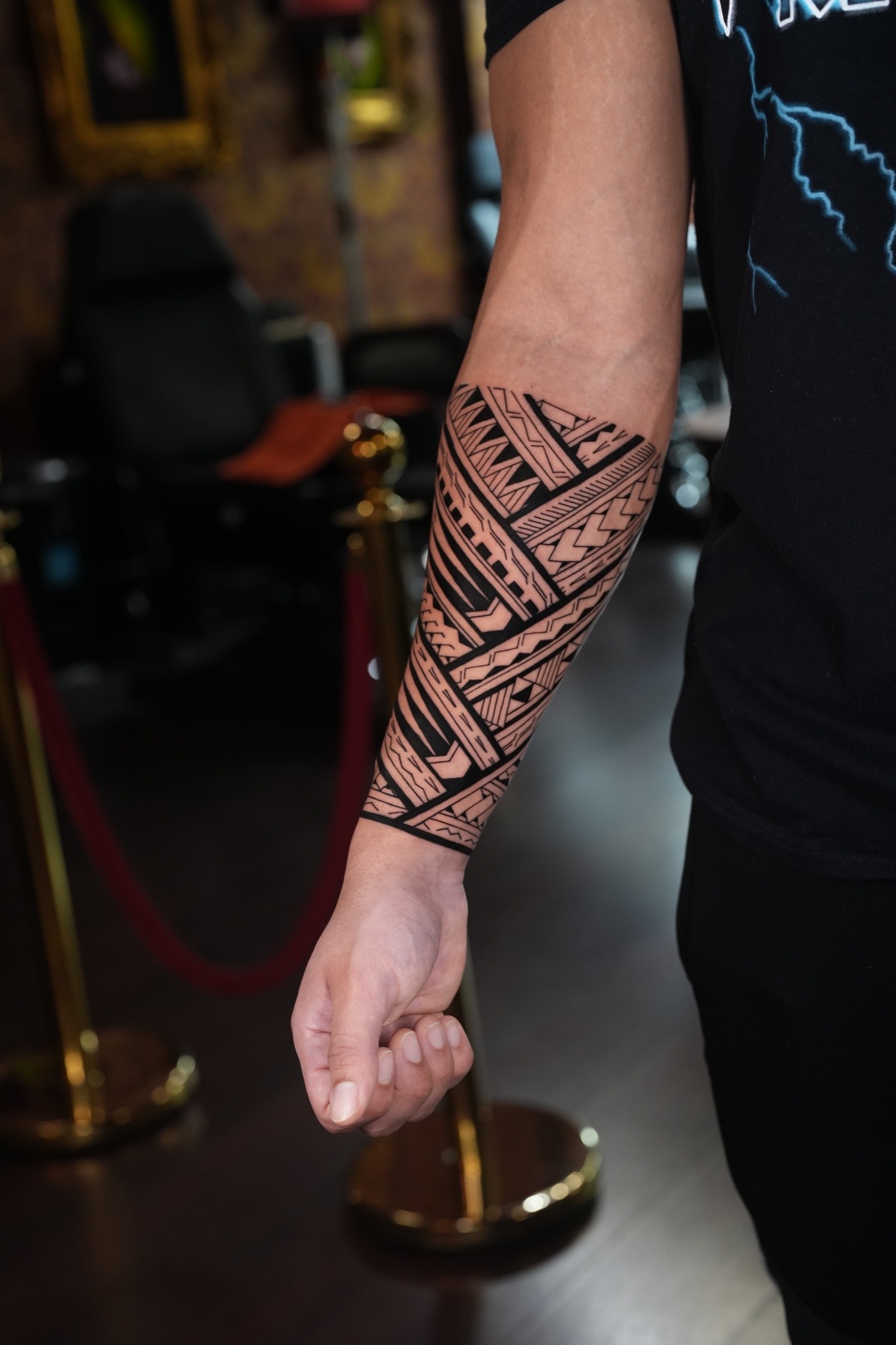
- Polynesia: In Polynesian societies, the sacred art of tatau is seen as a way of visually recording lineage, milestones, and social standing, with each pattern functioning like a personal and communal story.
- North America: Across Native North America and the Arctic, techniques like skin-stitching—using a needle and thread to pass pigment beneath the skin—created markings that served as coming-of-age rituals, indicators of kinship, and sacred cultural milestones.
- South America: Pre-Columbian cultures used natural plant pigments to etch complex body designs that functioned to establish clan membership and connect the physical world to the ancestral realm.
Worldwide Evolution Through the Ages
The historical trajectory of tattoo culture showcases a fascinating evolution of technology and societal perception. In ancient times, the tools of the craft required immense patience and physical endurance. Masters of the art relied on hand-tapped bone needles, carved bamboo shafts, obsidian flakes, and natural soot or plant-based pigments.
As trade routes expanded and disparate societies collided, global styles began to influence one another, slowly shifting tattooing from an isolated tribal rite into an international artistic phenomenon.
The industry shifted dramatically in 1891 when the electric tattoo machine was introduced, completely revolutionizing how ink was delivered to the skin. This technological milestone mechanized and modernized the precision of the craft, trading slow, manual hand-tapping for rapid, consistent electrical oscillation. Today, that evolution culminates in the high-end luxury studio experience—where cutting-edge innovation, patented studio tools, and medical-grade cleanliness transform the ancient practice into a pristine, premium artistic investment.
Cultural Traditions Shaping Modern Tattoo Styles
The global modern landscape is a vibrant intersection where ancient customs meet cutting-edge innovation. Today's elite tattoo styles remain firmly rooted in profound historical foundations:
| Tattoo Tradition | Core Visual Elements | Deep Cultural Significance |
|---|---|---|
|
Tā Moko (Maori) |
Spiral bold lines (manawa), facial placement, and deep structural contours. | A chronicle of an individual's specific lineage, ancestry, and tribal identity. |
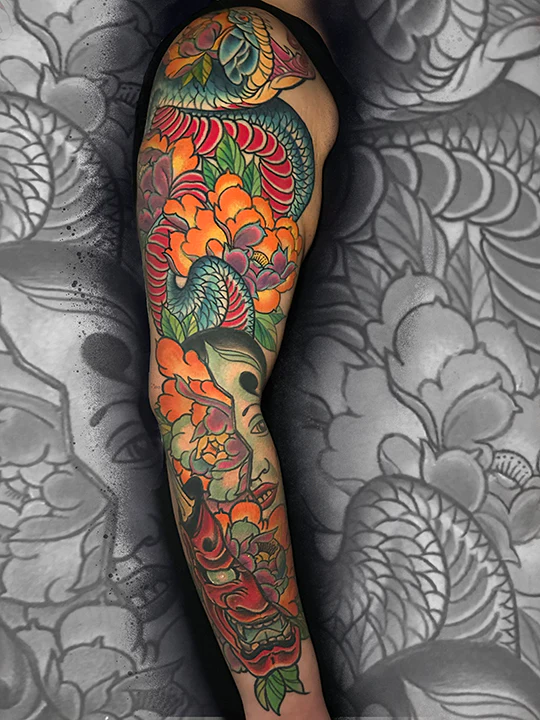
| Irezumi (Japanese Traditional) | Full body suits, dragons, koi fish, cherry blossoms, heavy wind bars. | Represents honor, resilience, spiritual protection, and personal triumph. |
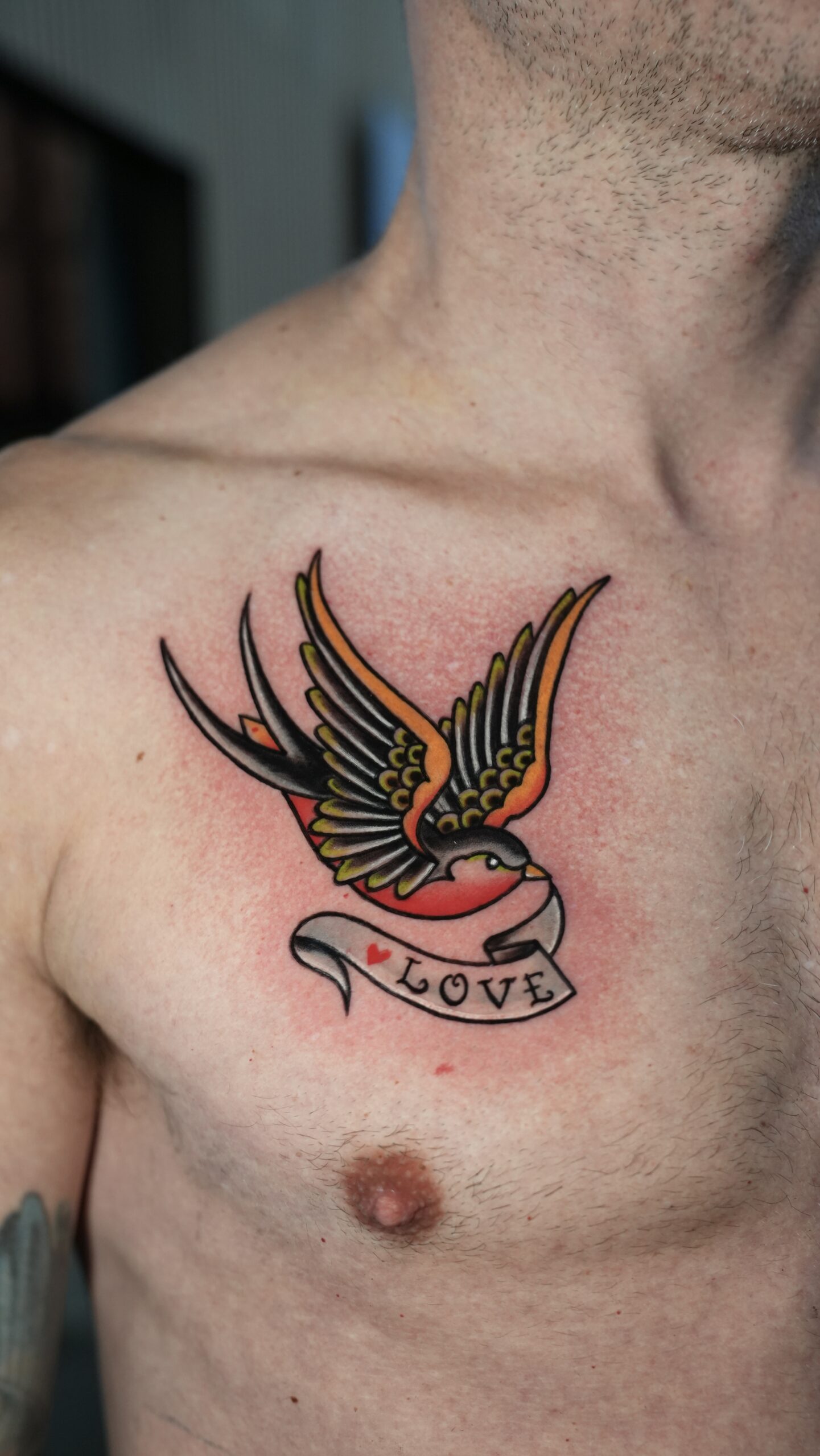
| American Traditional (Old School) | Bold black outlines, limited primary color palettes, nautical motifs. | Pioneered by sailors as counter-culture keepsakes of survival and safe passage. |
Decoding the Symbolism: The Narratives Within the Ink
Every custom piece is a visual representation of a unique personal story. When you look past the stunning aesthetic appeal, popular design motifs reveal timeless meanings:
Anchors and Nautical Stars
Once crucial survival tools for mariners, these symbols have evolved within modern tattoo culture to represent stability, guidance, hope, and an unwavering internal compass during life's turbulent storms.
Skulls and Serpents
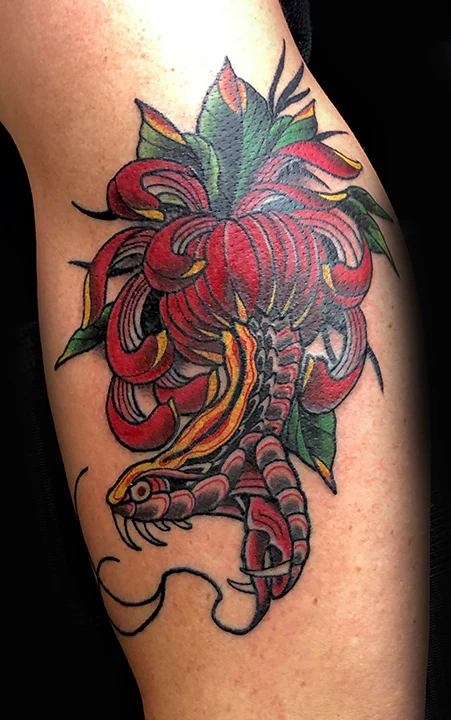
Rather than dark omens, skulls are celebrated across cultures as symbols of mortality, ultimate transformation, and the celebratory renewal of life. Serpents represent healing, shedding the past, and rebirth.
Mandalas and Sacred Geometry
Mandalas mirror the cosmos and inner balance. These intricate, mathematically precise geometric patterns act as focal points for spiritual grounding, mindfulness, and the infinite nature of existence.
Contemporary Identity: The Cultural Significance of Tattoos Today
In the modern era, the cultural significance of tattoos has undergone a radical and beautiful transformation. Tattoos have successfully transitioned from the fringes of society into mainstream high fashion, corporate boardrooms, and elite fine art galleries. Today, wearing custom ink is globally recognized as the ultimate expression of personal autonomy and bodily ownership.
Rewriting the Narrative of Self-Care and Healing
In contemporary tattoo culture, an investment in body art often serves as a profound tool for psychological and emotional reclamation. Modern clients often view the tattooing process as a meaningful ritual—a way to transform internal trauma, celebrate major life transitions, or honor lost loved ones by carrying their stories permanently. From covering surgical scars to reclaiming one's body after hardship, modern tattoos are a brilliant testament to human resilience.
A Global Canvas of Shared Heritage
Furthermore, tattoos today act as a powerful bridge connecting individuals back to their roots in an increasingly digitized world. Whether it is a client reclaiming their heritage through traditional tribal line work, or an artisan blending classic Japanese motifs with modern surrealism, contemporary tattoos allow people to carry their history with them wherever they go. It is no longer just about looking different but about standing out with purpose and introducing your identity to the world.
Dismantling the Outdated Stigma
While body art is widely celebrated today, remnants of old biases still surface. However, in contemporary tattoo culture, this lingering stigma is rapidly fading. Today’s collectors are actively redefining what it means to be tattooed, proving that visible ink and professional excellence easily coexist. As clean, welcoming, and intentionally designed studios replace the gritty parlors of the past, society increasingly views tattoos for what they truly are: meaningful personal landmarks and a powerful medium for creative self-expression.
Storytelling in Tattoo Artist Portfolios
Elite artists spend years studying the delicate histories and rules behind the symbols they etch, ensuring that whether you are selecting a timeless piece of flash tradition or commissioning a bespoke design, the final piece respects the cultural integrity of the craft.
Whether you are looking to honor your ancestry, commemorate a major turning point, or wear a living piece of tattoo heritage, finding an expert artist who matches your aesthetic preference is a lifelong investment in your personal narrative and identity.
Explore our elite regional artists to find a world-class creator who specializes in your desired style:
- Discover local Southwest masters by exploring our Club Tattoo Arizona Portfolios.
- Planning a luxury trip to the entertainment capital? View our Club Tattoo Las Vegas Portfolios.
- For clients on the East Coast, check out the Club Tattoo New Jersey Portfolios.
- Down south, experience unmatched artistic mastery through our Club Tattoo Texas Portfolios.
Experience the Lifestyle
It's not just a tattoo. It's the art of life.
Your unique narrative deserves to be treated with the same respect, artistic integrity, and historical awareness that has guided master creators through the ages. At Club Tattoo, our artists honor this ancient legacy on your skin while delivering unrivaled hygiene standards within a premium, luxury studio setting.
Book your tattoo appointment with Club Tattoo today and collaborate with artists who are truly famous for a reason. Welcome to the Club.
Frequently Asked Questions About Tattoo Culture & History
What is the origin and historical significance of tattoos?
Tattooing originated over 5,000 years ago as a widespread global practice with diverse cultural roots. Historically, ancient civilizations used permanent body markings for a mix of practical, social, and spiritual purposes—ranging from medicinal therapy to protective amulets and indicators of lineage.
What is the cultural significance of tattoos in modern society?
In modern society, tattoos represent the ultimate expression of personal autonomy, identity, and storytelling. They have transitioned from counter-culture symbols into celebrated fine art, serving as meaningful landmarks for emotional healing, cultural heritage, and creative self-expression.
How did the electric tattoo machine change tattoo history?
The 1891 invention of the electric tattoo machine revolutionized the craft by mechanizing how ink is delivered to the skin. By replacing manual hand-tapping with rapid electrical oscillation, this milestone dramatically increased the precision, safety, and speed of tattooing, laying the foundation for modern artistry.
What is the difference between flash tattoos and custom tattoo designs?
Flash tattoos are pre-drawn, traditional design sheets that celebrate the collective history and classic motifs of tattoo culture. Custom tattoos are bespoke, one-of-a-kind pieces designed from scratch by an artist to reflect a client's specific personal narrative and aesthetic preference.
———————————————————————————————————————————————
Sources:
https://larskrutak.com/pre-columbian-tattoos-of-western-south-america/
https://www.nationalgeographic.com/culture/article/in-polynesia-tattoos-are-more-than-skin-deep
https://www.researchgate.net/publication/391403859_Intangible_archaeology_of_colours_permanent_marks_on_anthropomorphic_haniwa_and_tattooing_in_Kofun-period_Japan/link/6957d80a06a9ab54f84e0ed5/download
https://www.sciencedirect.com/science/article/abs/pii/S2352409X25001919
https://www.si.edu/stories/ancient-ink-iceman-otzi-has-worlds-oldest-tattoos
https://www.voanews.com/a/6808363.html
https://www.worldhistory.org/article/1000/tattoos-in-ancient-egypt/