How to Prevent Tattoo Fading: Why Tattoos Fade and How to Stop It
You did the research, found the perfect artist, and sat through the needles—but the work doesn't stop once you walk out the door. We’ve all seen tattoos that look like masterpieces on Day 1, only to turn into blurry, muted shadows a few years later.
Luckily, figuring out how to prevent tattoo fading isn't a mystery; it comes down to understanding how your body heals and protecting your skin from the specific elements that break down pigment. If you want your ink to stay vibrant for the long haul, this guide breaks down the mechanics of tattoo aftercare and the professional habits that keep your art looking fresh for decades.
The Biology of Tattoo Fading
Tattoo fading is the gradual loss of pigment density. While every tattoo "settles" as you age, premature fading is usually caused by bad aftercare or environmental neglect.
How Your Body Moves the Ink
When we create world-class tattoos, the needle places pigment into the dermis, the stable second layer of your skin. Your immune system, however, views that ink as a foreign invader. Almost immediately, specialized white blood cells called macrophages show up to "eat" the ink and carry it away to your lymph nodes.
This slow-motion biological heist is why tattoos naturally soften over decades. However, if you don't protect the skin's barrier, you’re basically giving your immune system a head start.
Where You Put the Tattoo Matters
Your body isn't a uniform canvas. Where you put your tattoo dictates how it will age before the needle even touches your skin.
| Placement | Fade Risk | The Real Talk |
|---|---|---|
| Hands, Fingers & Feet | Extreme | Constant washing and the fastest cell turnover on the body. These require the most "babying" to survive. |
| Elbows & Knees | High | Think of all the bending. Constant mechanical stress stretches the skin, blurring lines over time. |
| Inner Upper Arms & Armpits | Moderate-High | Thin skin and constant skin-on-skin friction mean moisture and rubbing are always a threat. |
| Shoulders, Outer Arms & Legs | Moderate | Resilient and stable skin, but these are the front lines for sun damage. SPF is non-negotiable here. |
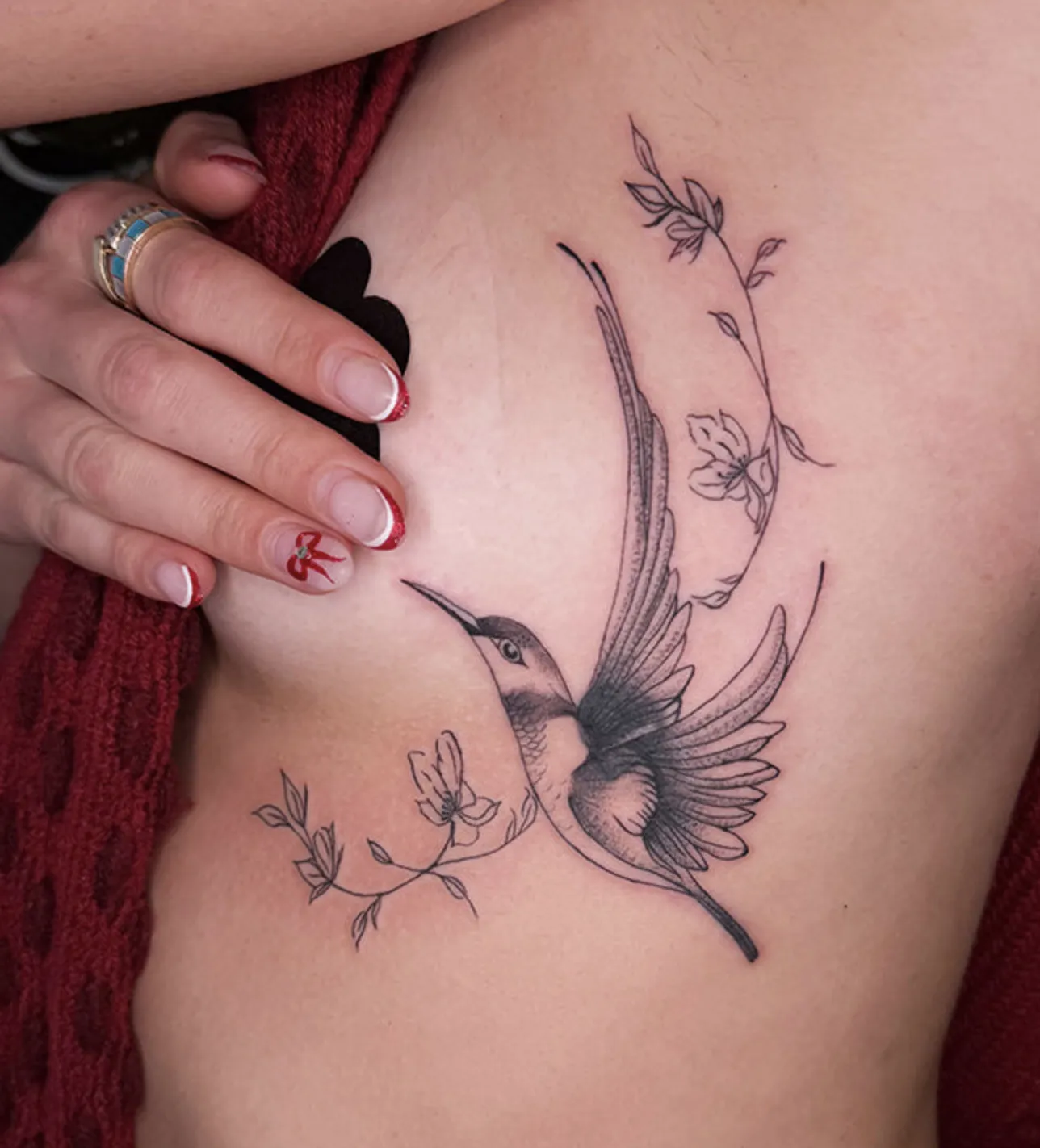
| Ribs & Back | Low | The gold-standard canvas. These areas are stable, protected from the sun, and hold detail the longest. |
Top 3 Environmental Causes of Tattoo Fading
Your body attacks the ink from the inside, but these three factors attack it from the outside:
- The Sun (UV Exposure): The #1 ink killer. UV rays break down the chemical bonds in your pigment, effectively "bleaching" the art right out of your skin.
- Friction: Tight clothes, backpacks, or even your own skin rubbing together can buff away the vibrant layers of your skin.
- Chemicals: Scented lotions and harsh "mall soaps" can react with the ink or dry out the dermis, making your tattoo look cloudy.
The Ink-Killer: Sun Exposure
UV radiation acts like a slow-motion laser removal treatment. It breaks pigment particles into tiny fragments, making it easy for your immune system to haul them away. To keep your tattoo looking as sharp as possible, high-SPF sunscreen is a daily requirement once the tattoo is fully healed. While the tattoo is still in the healing phase, you should never apply sunscreen directly to the area, as the chemicals can irritate the open wound. Instead, keep a fresh tattoo completely covered with loose, dark clothing whenever you're outdoors to shield it from the elements.
How to Keep Your New Ink Sharp
Proper aftercare is 50% of the tattoo. If you slack here, you’re essentially throwing your money away.
- Ditch the Scents: Use only mild, fragrance-free soap. Scented stuff is full of alcohol and chemicals that sting and dehydrate.
- Don't Over-Moisturize: You want a thin layer, not a swamp. Suffocating the tattoo leads to "ink-leaking" scabs that pull pigment out.
- No Soaking: Stay out of the pool, the ocean, and the hot tub for at least two weeks. Water is the fastest way to ruin a healing piece.
- Wear Loose Gear: Give your tattoo room to breathe. Friction on a fresh piece is a recipe for a blurry mess.
Your Tattoo Longevity Checklist
| Action | When? | The "Why" |
|---|---|---|
| Gentle Wash | 2x Daily (Weeks 1-2) | Keeps bacteria away so the ink can set. |
| Thin Tattoo Ointment | 3x Daily (Days 1-4) | Protects the "open wound" phase. |
| Gentle Lotion | Daily (Weeks 3+) | Keeps the "filter" of your skin clear and vivid. |
| High SPF Sunscreen | Daily (For life!) | Blocks UV rays from breaking down pigment. |
| LITHA (Leave It Alone) | Weeks 1-3 | No picking. No peeling. Let the body do its job. |
Signs You Need a Touch-Up
Even with perfect aftercare, time wins eventually. Consider a touch-up session if:
- You see "Holidays": Small gaps or patchy spots in solid black work.
- The Blur: Fine lines have started to spread into each other.
- The Dullness: The contrast is gone, and the colors no longer pop against your skin.
Pro Tip: Don’t rush back in. If something looks off, wait at least 6–8 weeks for a touch-up so your skin is actually strong enough to hold the new pigment.

The Bottom Line
Maintaining a tattoo is a marathon. While biology will eventually soften your ink, your daily habits determine if that happens in five years or fifty. Protect your skin from the sun, keep it hydrated, and follow the expert rules to keep your ink vibrant for the long haul.
Ready for your next masterpiece? Book a consultation with the best in the business at Club Tattoo today.
Frequently Asked Questions
How long does it take for a tattoo to start fading?
Every tattoo "settles" into the skin within the first six months, which may lead to a slight softening of the color. However, noticeable fading—where the art looks muted or blurry—usually shouldn't happen for many years if you follow proper aftercare and sun protection.
Does certain ink color fade faster than others?
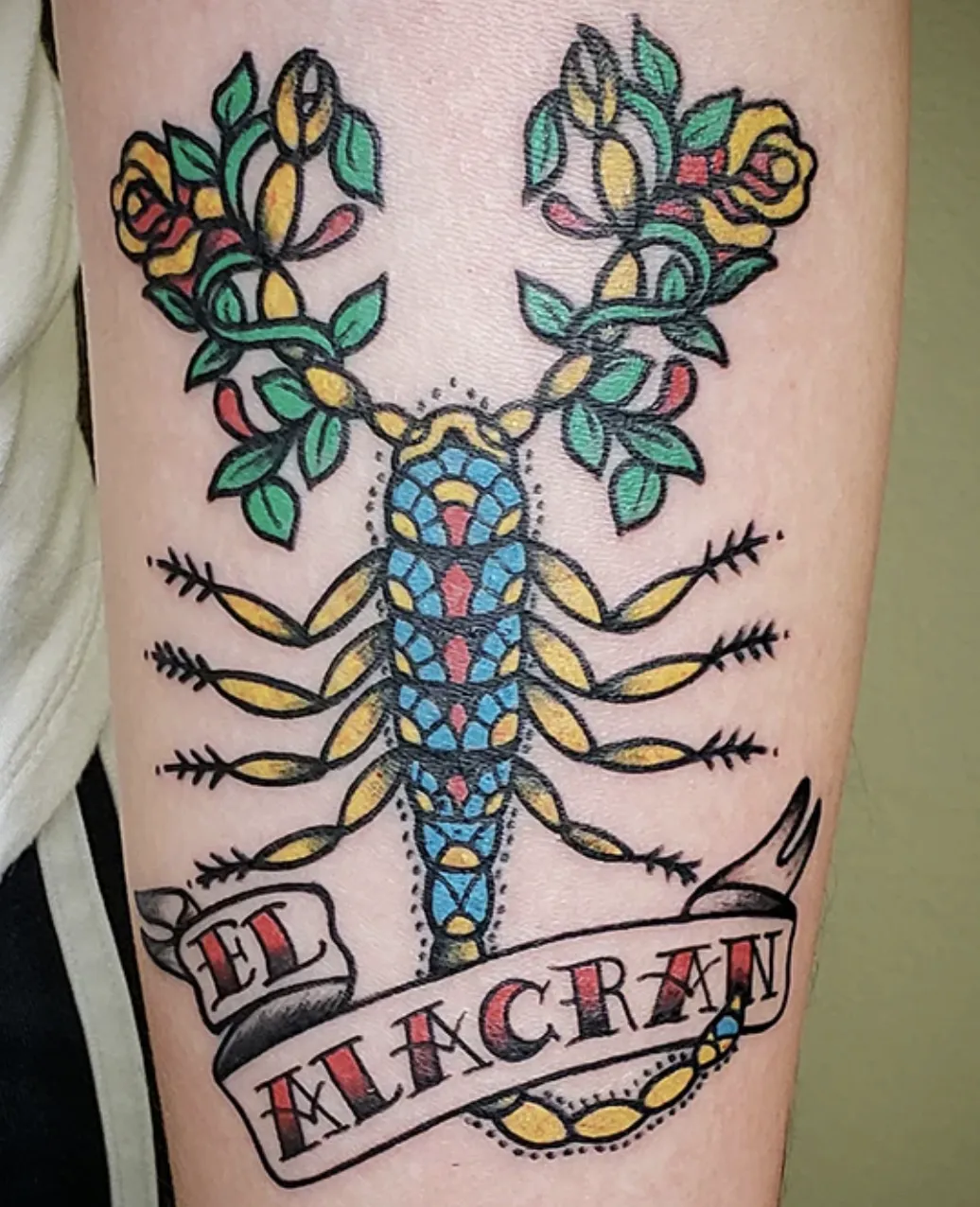
Generally, yes. Lighter colors like yellow, light green, and white tend to fade faster than darker pigments. Black and dark blue are the most resilient because their chemical structures are more stable and less reactive to UV light.
Can I fix a faded tattoo?
Absolutely. A professional touch-up can "reload" the pigment into the dermis, redefining lost lines and saturating the color. In more extreme cases, an artist can perform a rework to modernize and brighten the original design.
Does exercise cause tattoos to fade?
The exercise itself doesn't fade a tattoo, but sweat and friction do. During the healing phase, excessive sweating can irritate the skin and lead to ink loss. For healed tattoos, frequent skin-on-skin rubbing during workouts can gradually dull the area.