Picking a tattoo style is somehow way harder than picking the actual tattoo. Most people walk into a consultation with a bulletproof idea of what they want and absolute radio silence on how it should be drawn, which makes sense given the sheer range of custom tattoo styles and body art out there to choose from.
Finding the right fit is simpler than it looks. You can skip the online personality tests that swear your star sign points to a specific tattoo style. What actually predicts a good match is far less mystical: what your saved reference photos reveal about your taste, how different aesthetics handle your daily lifestyle, and how well your idea scales to the actual skin real estate you're willing to offer.
How to Choose a Tattoo Style: Where to Start
Before comparing styles, it helps to be clear about what the tattoo is for. A memorial piece, a mark of something you overcame, or an image you simply find beautiful all lead to different decisions.
Tattoos rooted in personal meaning have a clear, focused job to do. When a piece centers on an exact date, a loved one's handwriting, or a likeness, the priority is honoring those exact elements cleanly. Decorative pieces leave more room for creative exploration. Handing an artist a looser brief lets them lean into their personal style, using composition, shading, and flow to bring the concept to life in ways you might not have envisioned.
The Three Variables Behind Every Great Tattoo
Regardless of whether your piece is deeply symbolic or purely aesthetic, every solid tattoo relies on getting three distinct factors to work together:
- Subject. What is depicted: botanicals, animals, lettering, geometry, a portrait. You don't need a fully formed vision here. Even a vague idea is usually enough to give your artist something to work with.
- Style. How that subject gets drawn. The same rose is a flat shape inside a heavy black outline in American Traditional, a thin, unfilled line drawing in fine line work, and a set of soft gradients with no outline at all in black-and-grey realism.
- Scale. How much space a style assumes. Fine line and American Traditional both work at a few inches. Japanese and large blackwork are built as complete compositions that wrap the body, so a three-inch version loses most of what makes them work.
Most tattoo regrets don't come from poor design choices; they come from a mismatch between these three details. A client might ask for a full-scale Japanese dragon with water and wind elements, but want it scaled down to two inches on their wrist. To make it fit, the artist has to strip out the background that made the reference appealing. The work itself might be sharp, but the result can feel underwhelming.
Tattoo Styles & the Tastes They Tend to Suit
While there's no formula for matching ink to identity, looking at how different styles function on skin helps narrow things down. Here is how popular tattoo styles line up with common visual preferences and practical demands.
| Style | Often suits | Visual signature | Practical note |
|---|---|---|---|
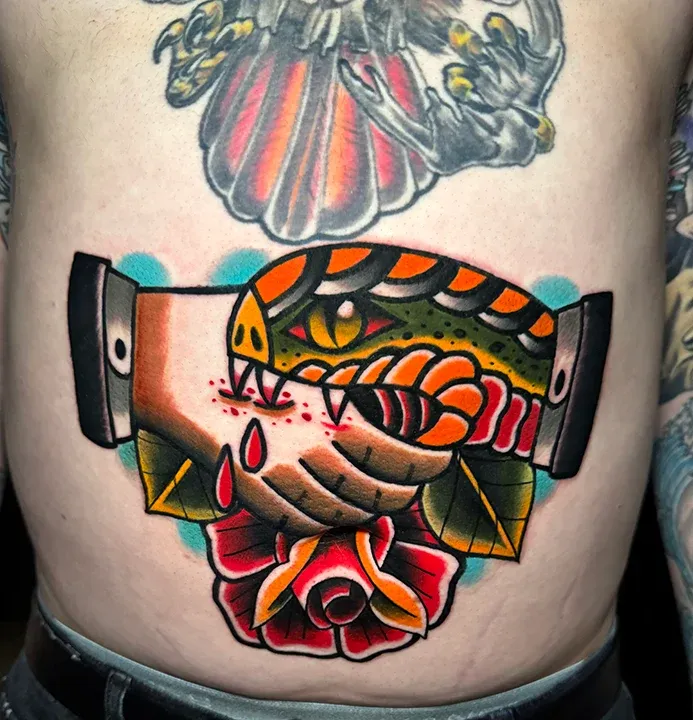
| American Traditional | People who prefer bold visual impact, classic design, and low-fuss decisions | Bold outlines, limited palette, familiar subjects like roses, daggers, and swallows | Flat color and bold lines hold their shape well over the years, little touch-up needed |
| Neo-Traditional | Detail-focused creatives who want traditional linework paired with expressive depth | Varying line weights, broader palettes, decorative framing | The wider color range can soften with time, so plan on the occasional touch-up if you want it to stay vivid |
| Fine line | Minimalists looking for subtle, understated aesthetics | Thin strokes, small florals, delicate lettering | Friction from bags, gym equipment, or tight clothing wears on thin lines faster than it does on bolder work |
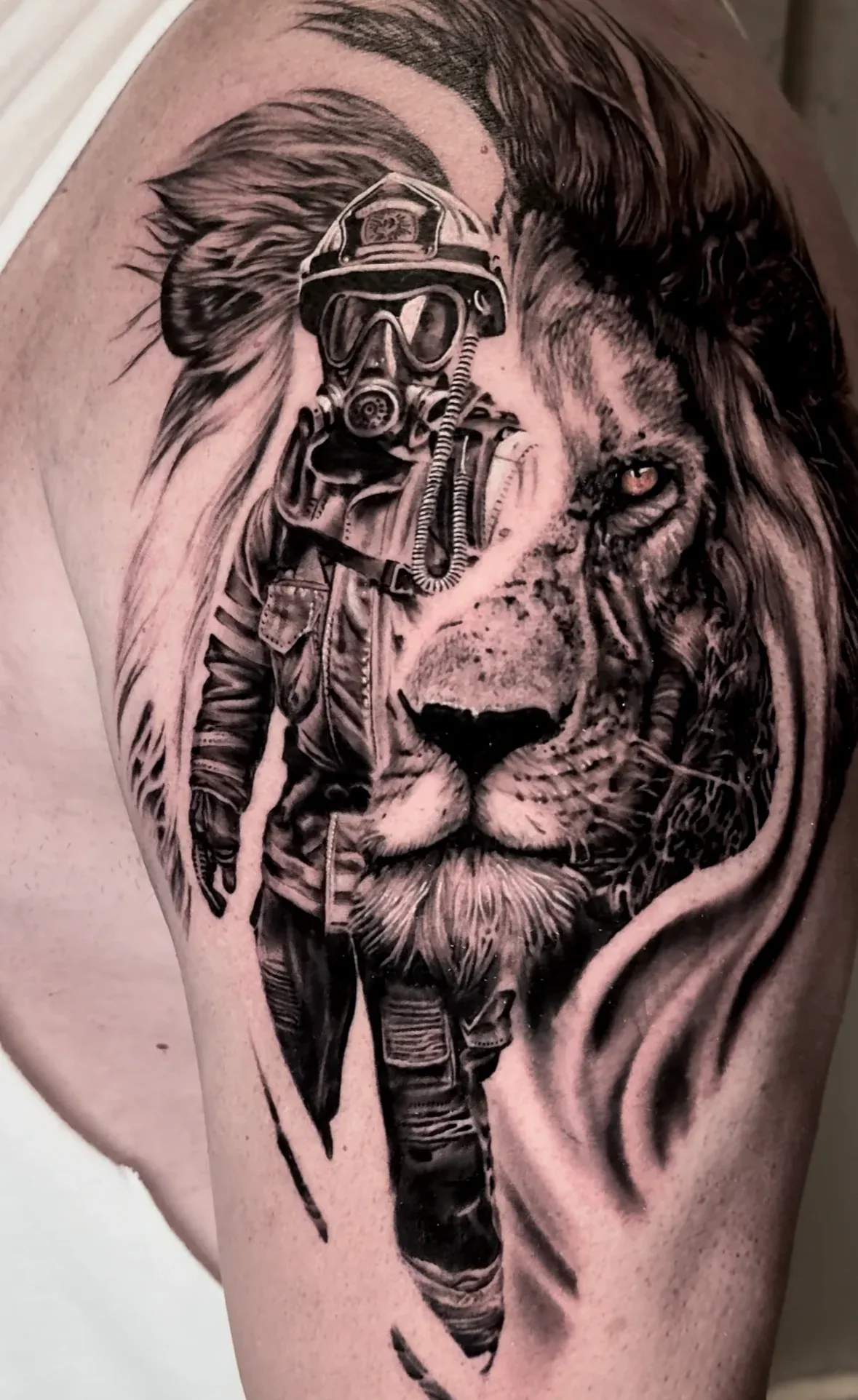
| Black-and-grey | People who want depth and shading without introducing color | Gray-scale work ranging from soft photographic gradients to more graphic illustrative shading, with little or no outline | With no color to fade, it keeps its contrast through UV exposure better than color-heavy styles do |
| Japanese | People drawn to large-scale storytelling, traditional mythology, and dynamic body flow | Dragons, koi, water and wind elements, built around the body | A full sleeve or back piece is usually a multi-month or year relationship with one artist, worth weighing before the first session |
| Blackwork & ornamental | People who want high-contrast visual statements or modern geometric symmetry | Solid black areas, dotwork, geometric patterns | Solid black holds its shape better than color as skin changes with age or fitness shifts |
Decoding the Art in Your Camera Roll
If you've been collecting references for a while, your answer is probably already in your phone. Go through your saved images, ignore the subject matter for a second, and look only at how they're drawn.
- If you see heavy black lines and solid dark fill: Your taste points toward American Traditional, Blackwork, or illustrative styles.
- If you see smooth grey shading without outlines: You're drawn to black-and-grey work, which relies on value transitions rather than hard line structure to build the image.
- If you see thin, single-needle linework with minimal shading: You favor Fine Line, which relies on airy spacing and subtle lines rather than heavy black ink.
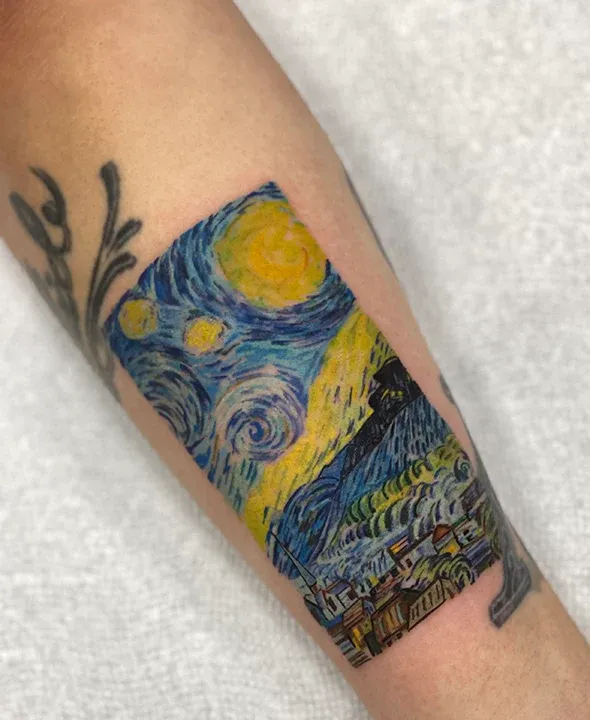
- If you see rich, saturated colors inside defined shapes: You probably lean toward Traditional or Neo-Traditional work.
Once you have an idea of your preferred look, check out our tips for creating a truly original custom tattoo design to help translate those saved images into a cohesive plan to bring to your artist.
What If Your Idea Doesn't Fit a Category?
Don't sweat it if your saved references look like a random mix of line work, illustrative shading, and surrealist abstract art. Tattoo styles are descriptive tools for artists, not strict rules for clients. The artists across Club Tattoo studios specialize in custom work, meaning they know how to take mixed references and translate them into custom, cohesive designs built specifically for your body.
When You Like More Than One Style
Most people do, and nothing says you have to pick just one. The real decision is how you arrange them. Some people separate their aesthetics by body part, keeping one arm dedicated to bold, traditional color and the other to black-and-grey. Others integrate two styles inside a single piece, using a geometric blackwork border to frame fine-line florals, or softening a classic traditional subject with grey wash gradients. Because not every pairing works in execution, it helps to bounce the idea off your artist early so they can evaluate whether the elements will harmonize on skin.
Working with a Tattoo Artist
Once you have a general direction, finding the right artist matters as much as choosing the style. A realism specialist and a traditional specialist will both draw you a good rose, but the resulting tattoos will have almost nothing in common visually.
Portfolios are your best guide for finding that match. Explore resident specialists across different regions by looking through Arizona tattoo artist portfolios, checking out expert tattoo work in Las Vegas, or browsing galleries from skilled tattoo artists in Texas.
When you're ready to turn your general idea into a concrete plan, you can easily book a custom tattoo consultation online.
Turn Your Tattoo Inspiration Into Ink
Your ideal tattoo style isn't something you need to pull out of thin air or force into a rigid category. It naturally emerges from the overlap between three things: the imagery you find yourself returning to, the rendering style that speaks to you, and the physical real estate you are ready to dedicate to it.
That sweet spot is usually obvious to an experienced artist. Rather than stressing over the exact terminology, start by exploring portfolios, finding artwork you would genuinely love to see on your wall, and starting a conversation with the artist whose hands created it.
Ready to bring your vision to life? Schedule your custom tattoo consultation online today and take the first step toward getting artwork you'll love for life.
Frequently Asked Questions
What personality suits American Traditional tattoos?
People who like a design that doesn't need explaining and feel some pull toward where it came from. The roses, daggers, and swallows were settled by early American shop tattooing and have barely changed since.
Who does a fine line tattoo style suit?
People who prefer understated work and small, delicate detail over bold statements. Expect your artist to set a minimum size so that detail stays legible over time.
Can I combine two tattoo styles in one piece?
It works best when one style leads and the other supports, such as traditional structure with neo-traditional color. Combining opposing priorities, like photographic realism and flat graphic linework, needs an artist who works in that hybrid regularly.
Does my skin tone affect which styles work?
Contrast is the variable that matters, not tone. All skin tones take ink well, but the palettes that hold their strength over time differ, and an experienced artist adjusts color choices accordingly.