A beautiful piece of jewelry can still be the wrong choice for a fresh piercing. The metal, size, fit, and construction all play a role in how comfortably the piercing heals—and whether you end up dealing with irritation, prolonged swelling, or a piercing that takes longer than expected to heal.
At a premier piercing studio like Club Tattoo, choosing starter jewelry doesn't mean settling for something plain. We boast the largest selection of high-quality body jewelry in the world, carrying design-forward options crafted specifically with biocompatible materials appropriate for fresh piercings. That means you can pick a piece that matches your personal aesthetic while giving your skin the absolute best start to heal—and knowing how to evaluate those pieces ensures you get the perfect fit.
Understanding the basics of initial body jewelry helps you make safe, stylish decisions for your body art long before your first style swap.
The Biocompatibility Standard: Safe Metals vs. Decorative Metals
When picking jewelry for an unhealed piercing, material safety always comes first. Fashion metals like plated brass, low-grade sterling silver, or mystery costume alloys often contain nickel and other trace contaminants. Inside an open wound, those impurities leach into tissue, leading to swelling, contact dermatitis, or dark oxidation marks on your skin.
To avoid those headaches, your initial jewelry needs to be biocompatible, meaning the metal sits against your skin without causing flare-ups or triggering an immune response. Every studio location at Club Tattoo strictly adheres to verified, implant-grade materials to guarantee maximum safety during recovery.
| Recommended Metals (Biocompatible & Implant-Grade) | Materials to Avoid (Causes Irritation & Reactions) |
|---|---|
| ASTM F-136 Implant-Grade Titanium | Costume & Fashion Metals |
| Pure Niobium (Hypoallergenic Metal) | Plated Brass & Base Alloys |
| 14k – 18k Solid Gold (Nickel-Free) | Sterling Silver (for fresh, unhealed wounds) |
| Low-Karat Gold (Under 14k) | |
| Acrylic & Porous Plastics |
1. Implant-Grade Titanium (ASTM F-136)
Implant-grade titanium piercing jewelry is the absolute gold standard for fresh modifications. It is completely nickel-free, remarkably lightweight, highly resistant to corrosion, and holds up effortlessly inside raw tissue. Even better, it can be anodized into a spectrum of custom colors without compromising its safety.
2. Pure Nobium
Niobium is an elemental metal with exceptional biocompatibility and zero nickel content. It is slightly heavier and more pliable than titanium, offering an ideal balance of durability and flexibility for rings and curved starter jewelry. Niobium can also be safely anodized or heat-treated, including achieving a deep anodized black, without relying on paints, lacquers, or toxic surface coatings.
3. Solid 14k or 18k Gold
Gold works beautifully for starter pieces, provided it is solid 14k or 18k and free of nickel. Steer clear of gold-plated, gold-filled, or vermeil options; that thin outer layer wears away quickly inside a wound, exposing your healing skin to reactive base metals underneath.
Anatomy, Sizing, and Jewelry Construction
Safe metal is only part of the equation when choosing starter jewelry. How the jewelry is constructed and how well it matches your unique anatomy matter just as much.
Threaded vs. Threadless Construction
High-quality starter jewelry uses internally threaded or threadless (push-pin) mechanics rather than old-school external threads.
| Jewelry Type | Construction Style | What It Means for Your Skin |
|---|---|---|
| Internally Threaded | Screw threads sit inside the post so the exterior remains completely smooth. | Glides through delicate tissue without causing microscopic tears. |
| Threadless (Push-Pin) | Controlled pin tension secures the decorative end inside a hollow post. | Fast, secure, and ultra-gentle on your skin during installation. |
| Externally Threaded | Sharp screw threads sit right on the outside of the post. | Unsafe for fresh wounds. Those metal ridges scrape raw tissue as they pass through. |
Swelling Room and Downsizing
Fresh piercings naturally swell over the first 1 to 3 weeks. To keep your new piece from pressing too tightly against your skin, your piercer will install an intentionally longer post or slightly wider ring at first.
Once that initial swelling calms down—usually between weeks 3 and 6—you will want to pop back into the studio for a quick downsize. Leaving that longer starter post in place after swelling drops makes it easier to snag on clothes or hair, which can permanently shift the angle of your piercing over time.
Matching Jewelry Style to Placement
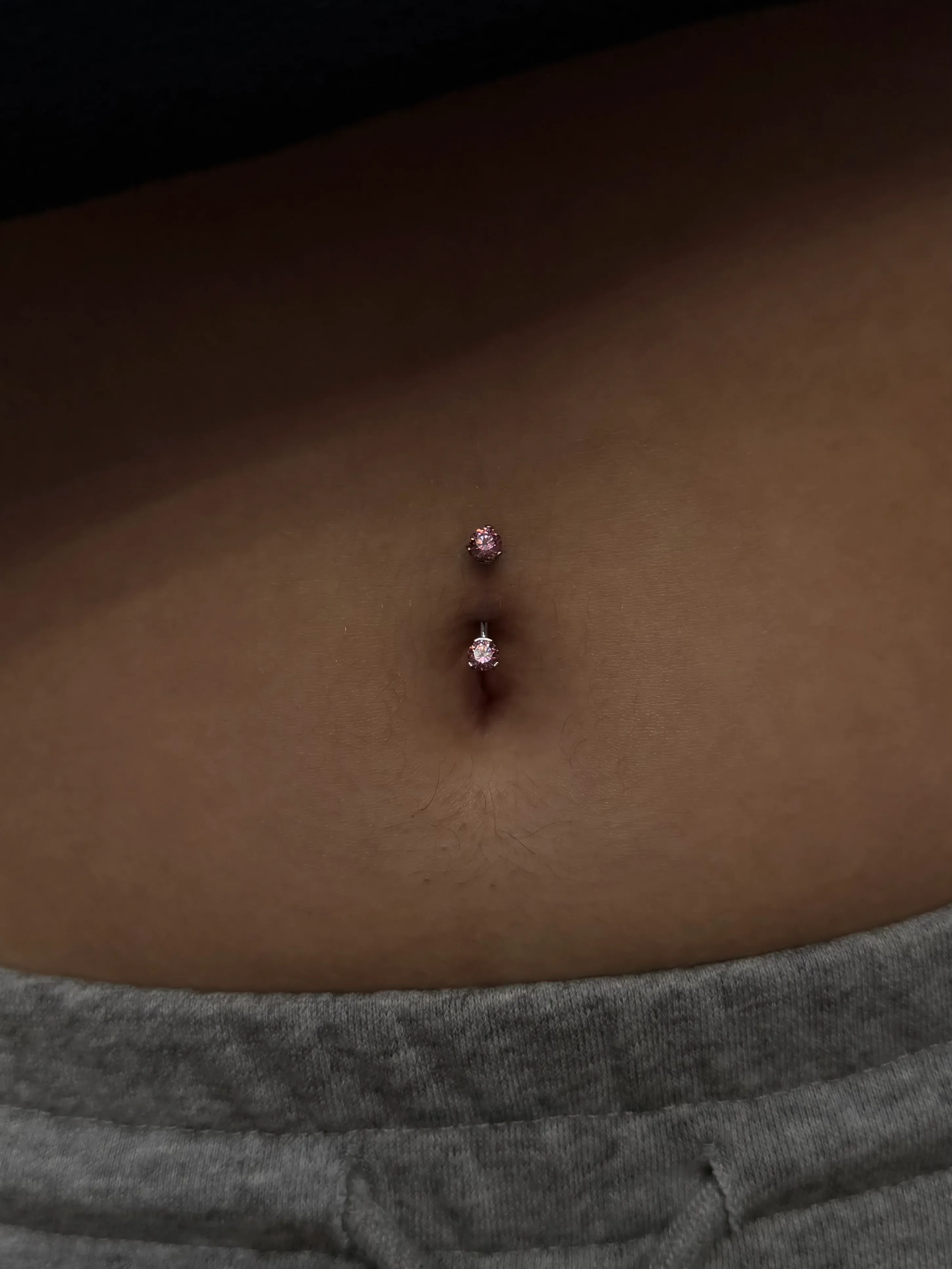
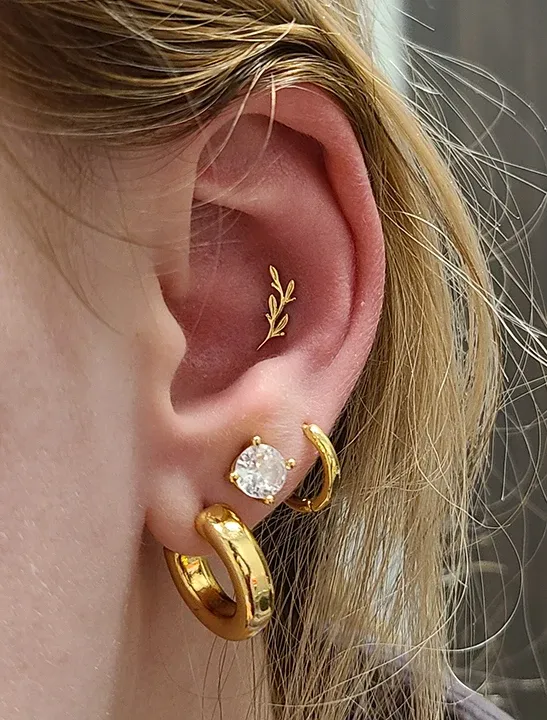
Different body parts require specific starter styles to heal cleanly while helping you build toward your dream setup, whether that's a curated earscape or subtle facial accents. At Club Tattoo, our expert piercers take the time to evaluate your natural bone structure and ear contours to help you plan long-term aesthetics right from day one.
- Cartilage (Helix, Conch, Tragus): Best started with flat-back labret studs. They lay flush and keep hair and pillowcases from catching on your fresh piece.
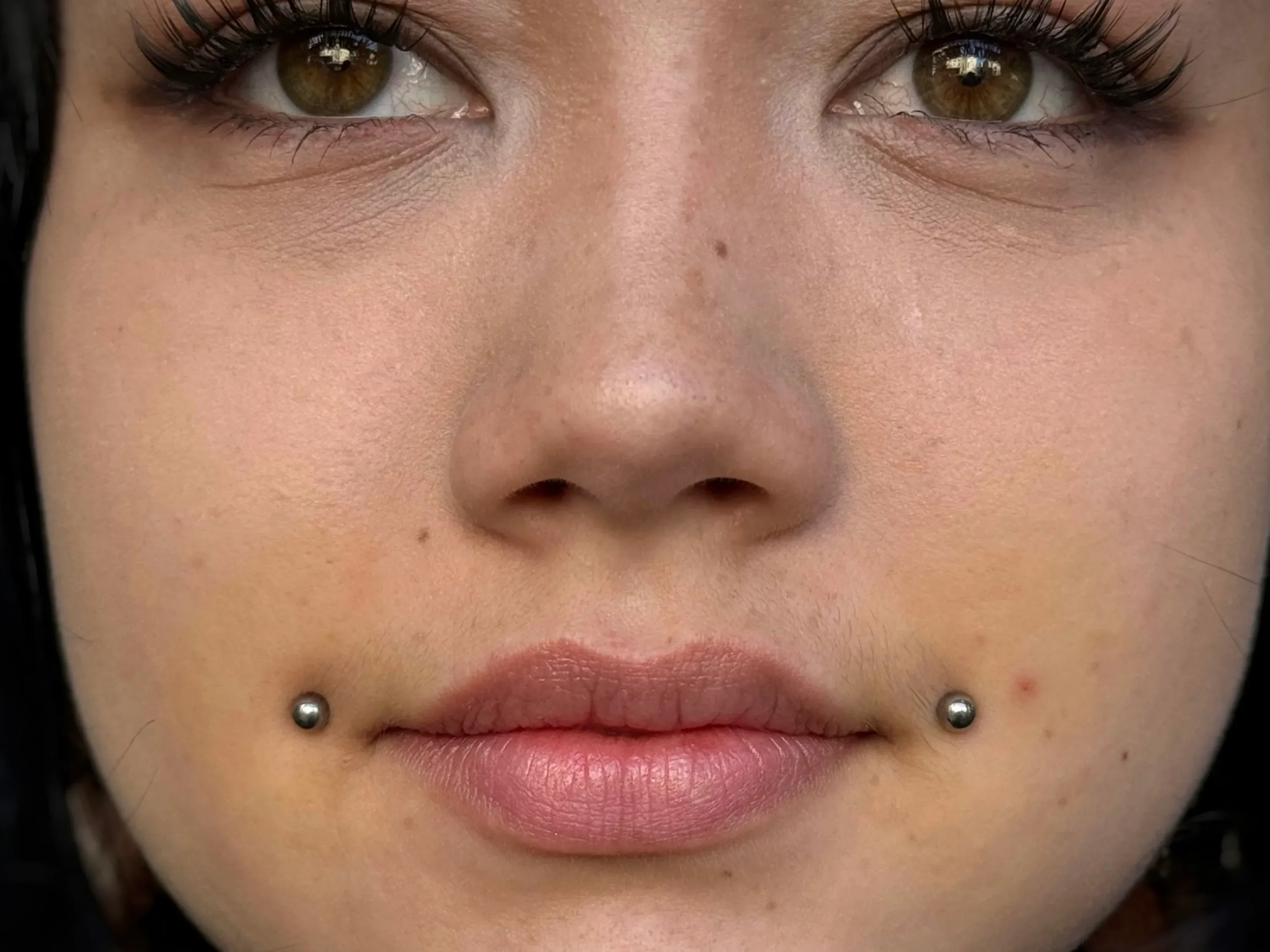
- Nostril & Lip: Flat-back labrets or specialty studs prevent interior rubbing and give the healing channel a stable shape.
- Lobes: Extremely adaptable. Lobes do great with flat-back labrets, barbells, or specialized starter rings depending on your tissue thickness and ultimate style goal.
If you are brainstorming layout ideas, check out our guide to unique ear piercing styles before chatting with your piercer about what your anatomy supports.
Common Mistakes to Avoid with New Piercing Jewelry
Navigating a new piercing doesn't have to be overwhelming. Avoid these common pitfalls to keep your recovery straightforward:
- Choosing Style Over Safety First: It's tempting to start with long dangles, thick hoops, or detailed lace-like tops, but heavy pieces put unnecessary weight and friction on an unhealed channel. Stick with simple, lightweight ends at the beginning.
- Swapping Pieces Too Soon: Changing jewelry before your skin is fully healed tears open delicate inner tissue, introduces bacteria, and resets your recovery clock right back to day one.
- Buying Cheap Body Jewelry: Bargain-bin metal pieces usually have rough surfaces, microscopic burrs, and mystery alloys that lead to ongoing soreness.
- Skipping Professional Input: Trying to guess your own gauge size or post length often ends in an uncomfortable fit. Learning how to evaluate piercing portfolios makes it easy to find a qualified pro who stocks verified, medical-grade jewelry.
Supporting Your Jewelry Choice with Proper Aftercare
Even top-tier piercing jewelry materials need a clean environment to heal properly. Club Tattoo provides every client with clear, comprehensive aftercare instructions to keep your fresh piece happy.
| Essential Aftercare Guidelines | Recommended Actions | Things to Avoid |
|---|---|---|
| Hand Hygiene | Wash hands thoroughly with antibacterial soap before touching your piercing. | Touching or adjusting your piercing with unwashed hands. |
| Cleaning Routine | Apply sterile saline spray using a Q-Tip 2 to 3 times daily. | Using alcohol, hydrogen peroxide, Hibiclens, or Betadine. |
| Moisture & Lotions | Keep the piercing clean and dry between saline cleanses. | Applying petroleum jelly, fragranced lotions, or ointment. |
| Jewelry Movement | Allow the jewelry to rest naturally without interference. | Twisting, rotating, or forcing jewelry back and forth. |
| Water Exposure | Stick to regular showers for daily rinsing. | Submerging fresh piercings in pools, hot tubs, lakes, or standing water. |
| Post Maintenance | Schedule a downsize check-in with your piercer around week 3 to 6. | Leaving oversized initial posts in place long after swelling subsides. |
Following established piercing aftercare steps protects the tissue around your starter jewelry. If you notice persistent redness, unusual discomfort, or swelling that does not settle down after a few weeks, reach out to your piercer for a quick look instead of trying to swap or remove the metal yourself.
Trusting Expert Guidance for Your Next Piercing
Selecting the right jewelry for a fresh piercing comes down to balancing technical health requirements with your overall style goals. By prioritizing biocompatible metals like implant-grade titanium, internally threaded construction, and proper sizing, you give your body everything it needs for a smooth, trouble-free heal.
At Club Tattoo, we lead the industry in both technical skill and studio hygiene. Rather than simply meeting health requirements, we operate under elevated safety standards that outperform standard OSHA rules and APP recommendations. We maintain a flawless track record of top-tier health ratings so every client receives a sterile, secure, and expert experience.
When you are ready for your next modification, working with an experienced professional ensures every detail is handled with precision. Take a moment to learn what makes body jewelry high-quality, browse our resident team portfolios across Arizona, New York, and Texas, or drop by one of our studios to browse our curated, luxury jewelry collections in person.
Frequently Asked Questions
Why does metal choice matter so much for a new piercing?
A new piercing is an open wound. Non-biocompatible metals like nickel or plated brass leach impurities directly into raw tissue, which can trigger allergic reactions, severe swelling, scarring, or prolonged healing times.
Can I get pierced with a ring or hoop right away?
It depends on the placement and your specific anatomy. While some spots heal fine with a starter hoop, many popular placements—like nostril and cartilage piercings—heal much faster and with fewer complications using a flat-back labret stud.
When is it safe to change my starter jewelry out for decorative styles?
Initial jewelry should stay put until the tissue channel fully matures, which ranges from a few months for earlobes to up to a year for deep cartilage. Always have a piercer check your progress before switching pieces for the first time.
What should I do if my starter jewelry feels too tight after a few days?
A little swelling is completely normal during the first few weeks, but if the jewelry ends start pressing into your skin, pop into your local studio right away. Your piercer can quickly swap in a slightly longer post to keep you comfortable while you heal.
The information provided in this article is intended for educational and informational purposes only and does not constitute professional medical advice. While proper studio hygiene and professional application significantly minimize safety risks, individual biological reactions vary. If you experience severe pain, excessive swelling, localized heat, or any signs of a worsening infection, please consult a licensed healthcare professional immediately.