Tattoo aftercare used to be a free-for-all; you slapped on whatever heavy petroleum jelly was sitting in the medicine cabinet and hoped for the best. Today, a much clearer understanding of skin recovery and wound care has replaced those old-school habits with a smarter, stage-by-stage approach.
Yet, standing in the skincare aisle after an appointment can still feel overwhelming. Debate usually centers on whether lotion or ointment is the better pick for tattoo aftercare, but treating them as rivals misses the point. Each product plays a specific role at a specific time during the tattoo healing process, and mastering that timeline is what keeps your ink looking pristine long-term.
The Three Stages of Tattoo Healing
To give your skin exactly what it needs, it helps to understand how a custom piece heals from the inside out. Your recovery naturally unfolds in three key phases.
-
Phase 1: Raw & Weeping (Days 1–3): Your new tattoo is essentially an open wound. It may feel warm, look slightly red, and secrete plasma and excess ink. Your primary focus during these first 72 hours is protecting the skin barrier and preventing harsh scabs from forming.
-
Phase 2: Peeling & Flaking (Days 4–14): As new skin develops underneath, the damaged surface layer begins to dry, flake, and shed. Mild itching is completely normal at this stage as the skin renews itself.
-
Phase 3: Deep Skin Settlement (Days 15–30+): The initial peeling has finished, revealing a soft, slightly shiny new layer of skin over your settled ink. Beneath the surface, your dermis continues to repair its natural moisture barrier.
Ointment vs. Lotion: What’s the Difference?
Knowing how different formulas interact with fresh ink ensures you give your skin the best care at every step.
|
Formula Characteristic |
Tattoo Ointment / Balm |
Tattoo Lotion |
|
Formula Base |
Rich natural oils, beeswax, or petrolatum |
Light emollients and water-based hydration |
|
Texture |
Dense, luxurious, semi-occlusive barrier |
Silky, fast-absorbing, weightless |
|
Ideal Healing Window |
Days 1–3 (Initial raw phase) |
Days 4–30 (Peeling through final recovery) |
|
Primary Job |
Locks in deep moisture, shields raw skin |
Soothes itching, hydrates peeling skin, allows pores to breathe |
|
Application Risk |
Heavy application can suffocate pores |
Dries out faster than ointment, may require more frequent reapplication |
Rich Ointments and Balms
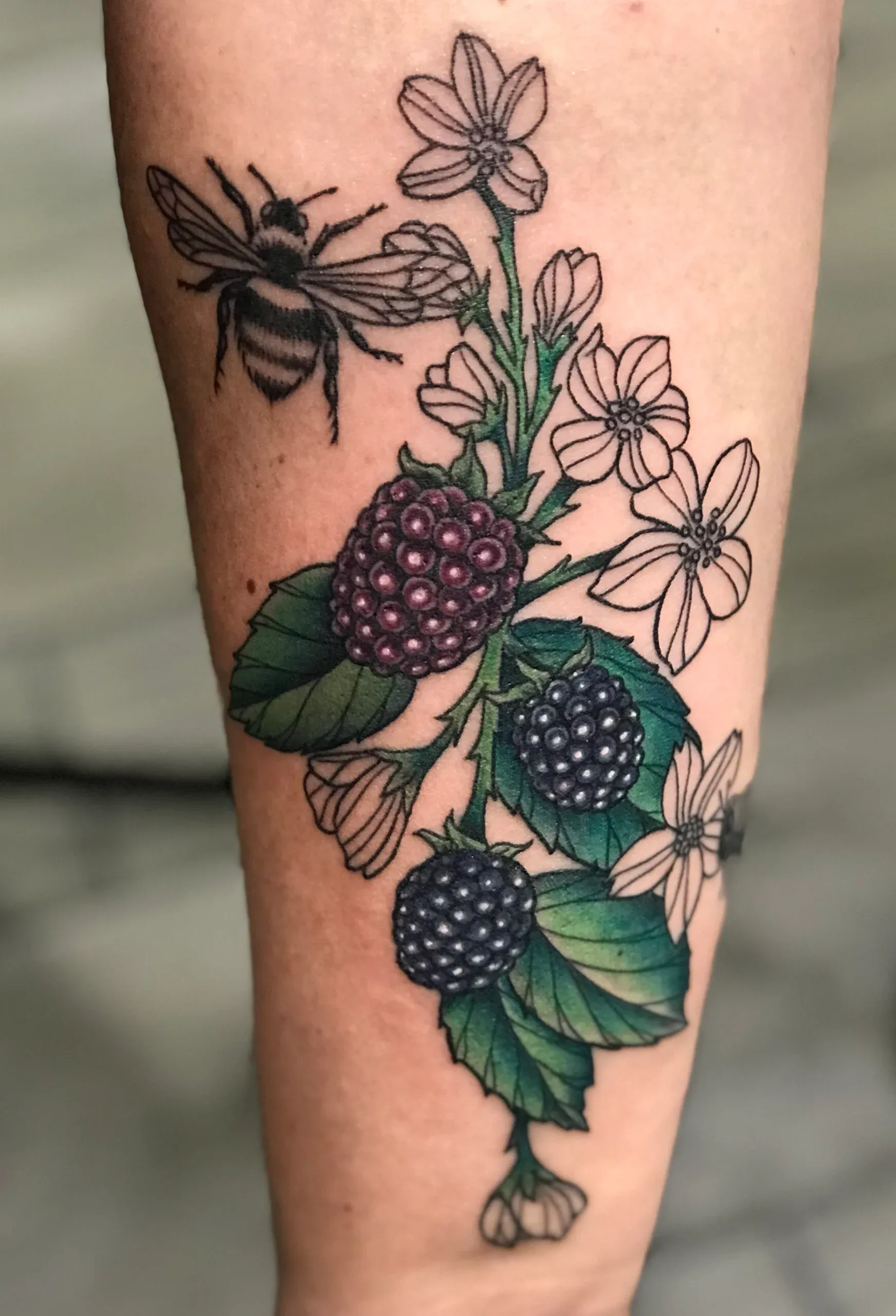
Ointments offer a dense, protective shield. A high-quality balm coats raw skin to create a protective barrier. This keeps environmental debris out while retaining the essential moisture needed to prevent thick, damaging scabs from forming over fine linework.
-
The Benefit: Delivers intensive moisture lock and shields delicate skin during its most vulnerable hours.
-
The Caveat: A heavy hand can smother the skin, trap heat, and cause small breakout bumps around the tattoo.
Lightweight Lotions
Lotions feature a higher water content and lighter emollient profile. A premium tattoo moisturizer glides on effortlessly, absorbing deep into the skin without leaving a greasy residue behind.
-
The Benefit: Hydrates peeling skin cleanly, relieves tightness, and lets your pores breathe freely.
-
The Caveat: Absorbs faster than ointment, meaning you will need to reapply a few times throughout the day to keep skin comfortably hydrated.
When to Switch From Ointment to Lotion
Transitioning between products at the right moment keeps your tattoo clean, comfortable, and breathing properly.
Product Transition Strategy:
Days 1–3: Micro-Layer of Balm
↓ (Once weeping stops & light flaking starts)
Days 4+: Switch to Soothing Lotion or Cream
-
Days 1 to 3: Clean your tattoo gently using lukewarm water and a mild, unscented soap. Pat dry with a clean paper towel. Warm a tiny, pea-sized amount of specialized balm, such as Tattoo Lovers Care or a formula from the Mad Rabbit Aftercare Intro Kit, between your fingertips and smooth it over the ink. Your skin should look lightly hydrated, never coated or glossy.
-
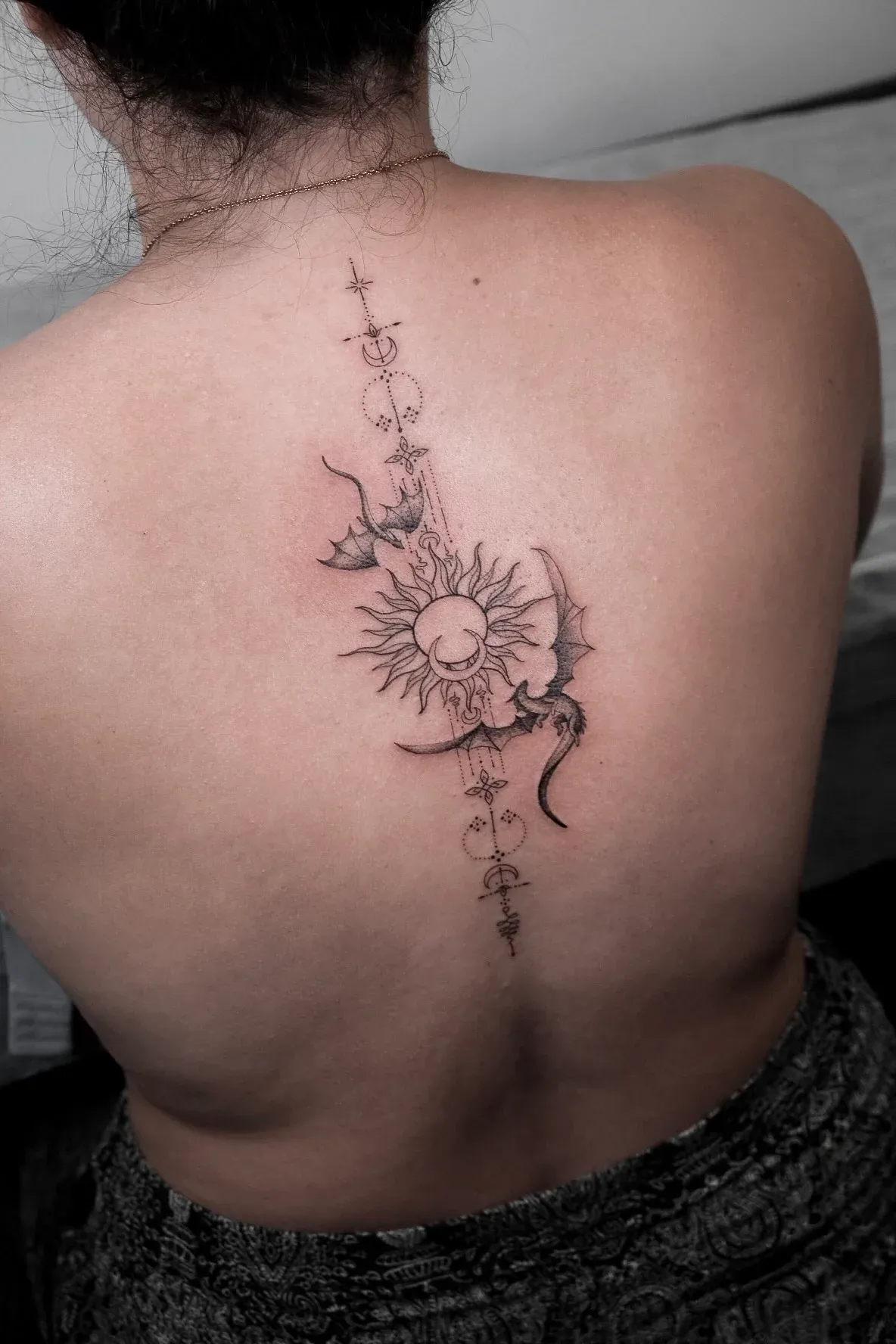
Day 4 Onward: As soon as the raw phase subsides and light peeling or flaking begins, step down to a lightweight lotion or calming gel. Formulations like Tattoo Lovers Care Cream or Mad Rabbit Soothing Gel hydrate peeling skin without softening delicate flakes so much that they tear off prematurely.
-
Beyond Week 2: Keep your healed ink looking as sharp as the day you left the studio by applying a high-grade unscented lotion once a day. Continuous hydration maintains skin clarity and keeps color saturation vibrant over time.
Artist Insight: Excess moisture during the peeling stage causes skin "maceration," the same white, wrinkly effect you get after staying in the bath too long. Macerated tissue weakens the fresh epidermal barrier underneath, extending your recovery window and leaving your healed linework looking dull instead of crisp
Why Dedicated Aftercare Elevates Your Results
Generic drugstore options have been around forever, but high-quality body art deserves better than basic skincare.
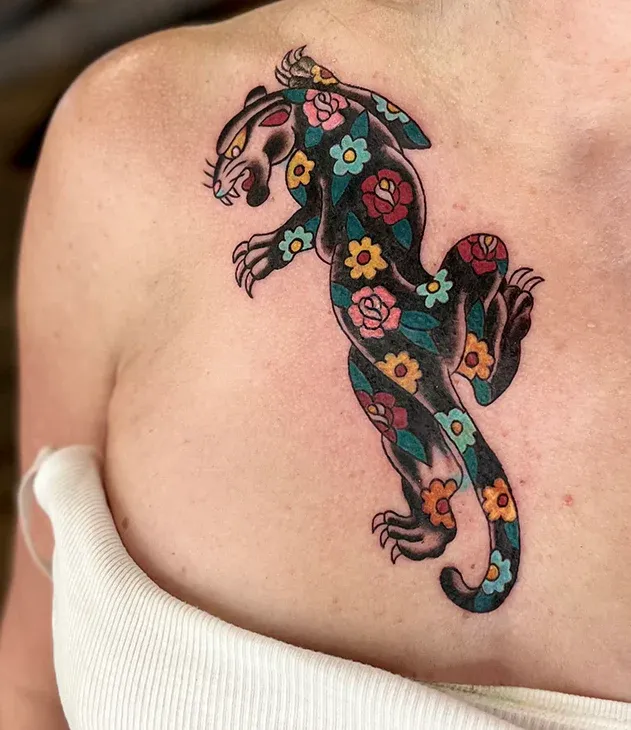
Standard commercial lotions often rely on artificial fragrances, harsh alcohols, or cheap fillers that can sting open skin and cause inflammation. In contrast, specialized tattoo aftercare products are formulated specifically for compromised tissue. They combine hydrating agents with soothing botanicals to calm irritation, reduce redness, and support optimal color retention.
Essential Aftercare Practices for Lasting Ink
A flawless finish relies on clean habits throughout the healing weeks:
-
Always Cleanse First: Wash your hands and gently cleanse the tattoo before applying fresh product. Adding new lotion over unwashed skin seals in ambient dust, sweat, and bacteria.
-
Use a Light Touch: Less is always more. You only need a sliver of product to cover a palm-sized area. If your tattoo looks wet ten minutes after application, gently blot away the excess with a fresh paper towel.
-
Let Peeling Happen Naturally: Never pick, scratch, or pull at flaking skin. Forcing peeling skin off early pulls settled pigment straight out of the dermis, leaving light patches in your finished piece.
-
Protect Against Water and Sun: Avoid submerging fresh ink in pools, hot tubs, ocean water, or deep baths for at least two weeks. Keep your tattoo out of direct sunlight while it heals, and apply a high-SPF sunscreen daily once fully recovered to shield pigment against fading.
The Club Tattoo Difference
For over three decades, Club Tattoo has redefined the tattoo experience. By combining world-renowned artistic talent, patented custom design tech, and strict hospital-grade safety standards across all our locations, we ensure your skin receives an unmatched level of care from start to finish.
High-end body art deserves a world-class studio. Explore our studio locations across NV, AZ, TX, NY, and NJ, and reserve your custom consultation with our resident team today.
Frequently Asked Questions
Is lotion or ointment better for a new tattoo?
Neither product replaces the other; they work best as a team. Ointments and rich balms protect raw skin during the first 1 to 3 days, while lightweight lotions take over from day 4 onward to hydrate peeling skin cleanly.
What happens if I apply lotion on day one?
Applying standard lotion to a raw, weeping tattoo can cause uncomfortable stinging if the formula contains synthetic fragrances or alcohols. Fresh ink benefits much more from the protective barrier of a dedicated tattoo balm during those initial 72 hours.
Can I use Aquaphor on my new tattoo?
Aquaphor is widely used during the first 1 to 3 days, but it requires a very delicate hand. Applying petrolatum products too heavily can smother the skin and cause heat bumps. Specialized tattoo balms offer a lighter, cleaner alternative designed specifically for body art.
How many times a day should I hydrate my healing tattoo?
Apply your lotion 2 to 3 times daily once peeling begins around day 4. Always cleanse the area first, applying just enough moisturizer to keep the skin feeling supple without leaving a heavy residue behind.
____________________________________________________________________________________________________________
The aftercare recommendations provided in this guide are for general informational and educational purposes only and should not be taken as medical advice. Always follow the specific aftercare instructions provided by your tattoo artist. If you experience signs of infection—such as excessive swelling, severe redness, heat, or unusual discharge—or suspect an allergic reaction, consult a licensed healthcare professional or dermatologist immediately.